STEM Education Examples
STEM education examples include hands-on science experiments, outdoor science, and live demonstrations that spark curiosity about STEM. Using entertaining methods to teach STEM is crucial to creating an engaging learning environment.
For younger learners, one of the most engaging tools parents can use is educational STEM toys. These toys provide entertainment and demonstrate scientific concepts that can be applied in real life. Education that is fun holds children’s attention and keeps them coming back for more–but how do you make it fun?
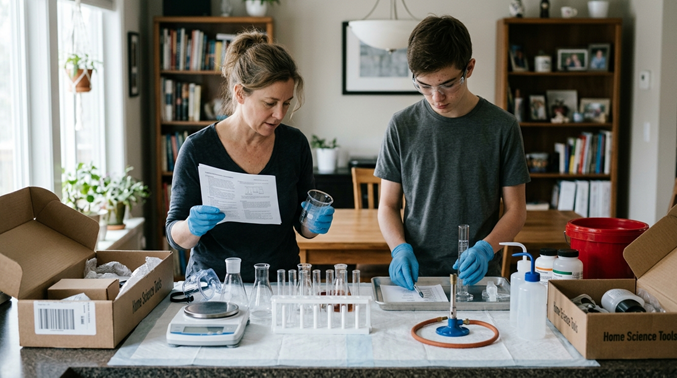
Hands-on Science
The youngest children can learn from the simplest experiments. Parents can teach about liquids, solids, and gasses by mixing salt with water and then boiling it until only the salt remains. Other simple ideas, like setting out a white shirt and a black shirt in the sun, can help kids understand heat transfer.
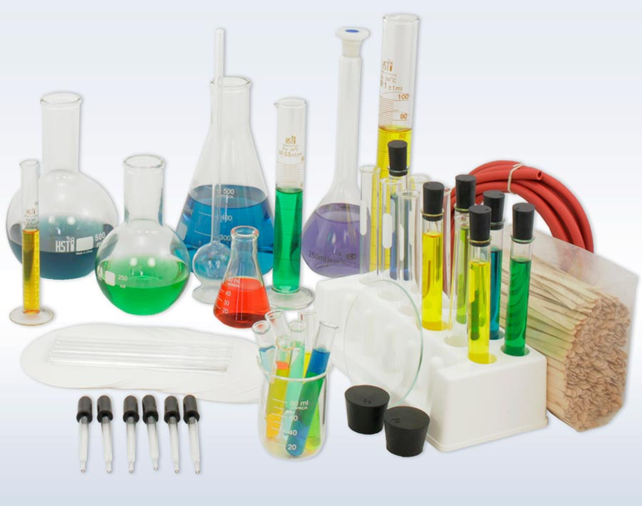
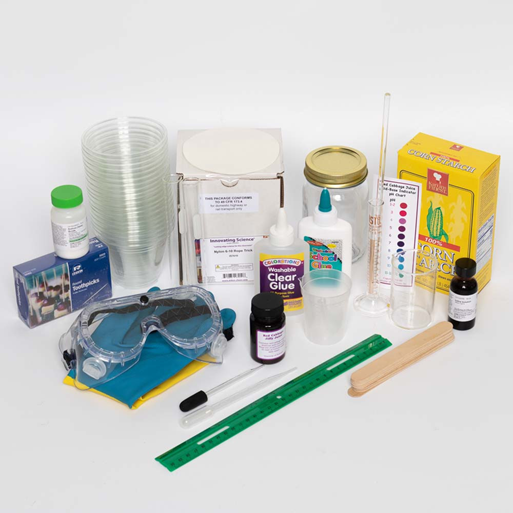
Older children can learn through advanced science kits that take them step by step from beginner to advanced skill sets. These often start with simple concepts and then expand on them to demonstrate how small actions can lead to huge changes.
For example, a large robotics kit may begin by teaching how single gears and controllers work. As students progress, they assemble more complex machines using the skills they’ve learned at lower levels.
Live Demonstrations
Only so much can be learned from books and home science experiments. To truly experience what science and technology are capable of requires seeing real-world products in action.
One of the best places for this is at STEM fairs. There, children can begin to understand what a STEM project is while hopefully finding some inspiration among the many demonstrations.
STEM fairs are also great for scientific minds because it gives them a chance to meet people with similar interests and hobbies. They can share ideas on what has worked for them and collaborate on new projects. The connections that can be made at a STEM fair can far exceed its educational value.
The Great Outdoors
Some children just want to get their hands dirty. Thankfully, the natural world is filled with scientific education opportunities. Simply taking kids on a hike up a steep mountain can demonstrate temperature differences based on altitude.
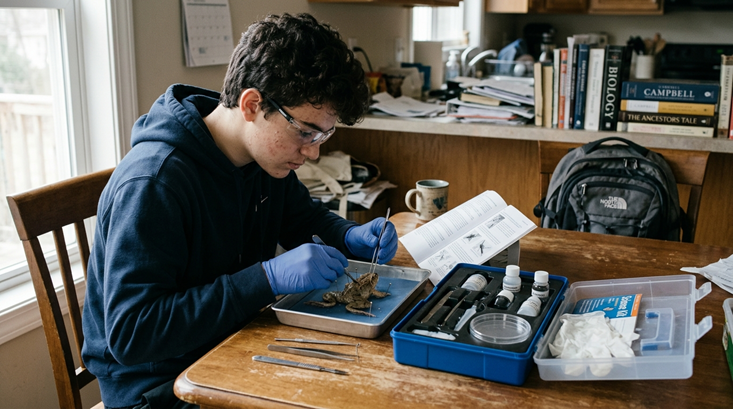
More advanced experiments can also be performed. Armed with a nature science kit focusing on biology or geology, children can perform their own experiments. This can help them grasp the natural world and see how changes can affect it in unexpected ways.The outdoors has a plethora of quick STEM activities. Building a simple compass, creating a weather station, and measuring things like pressure, humidity, and temperature can all teach a child about scientific concepts. The key to making it stick is finding something the child is passionate about.
Fostering Passion, One Step at a Time
Kids might have a tough time grasping difficult concepts in the beginning. However, with the right kits and toys from Home Science Tools, a child can learn at their own pace.
Our kits are available as single experiments or as multi-part kits that build foundational knowledge at each step until the learner is ready to incorporate all that they’ve learned into grander projects. Check out all that Home Science Tools has to offer, and start your child’s STEM journey today.