Teaching Resources & Guides
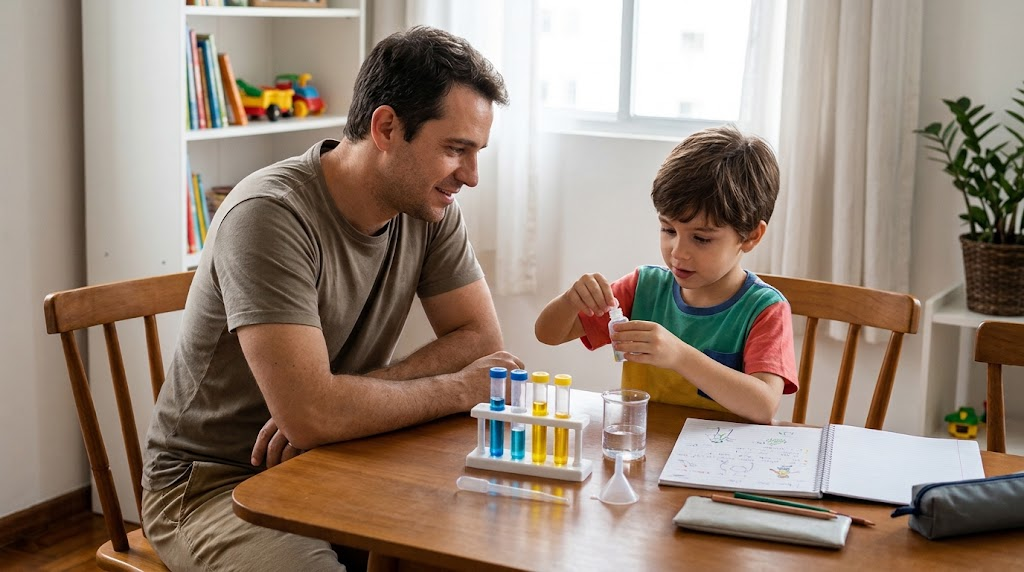
Children are naturally curious. They want to know why things happen, how objects work, and what happens when they try something different. A simple question can turn into an afternoon of building, testing, and experimenting. These moments also create opportunities to...
Teaching Resources & Guides
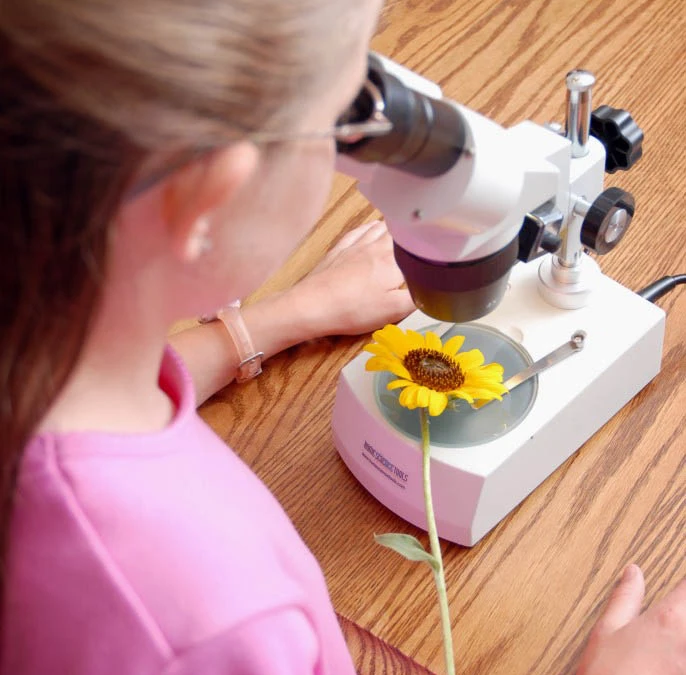
Have you ever looked at an insect, a flower, or a drop of pond water and wondered what details you might be missing? A microscope lets you examine these everyday subjects up close. However, the type of microscope you use determines what you can observe. Two popular...
Teaching Resources & Guides
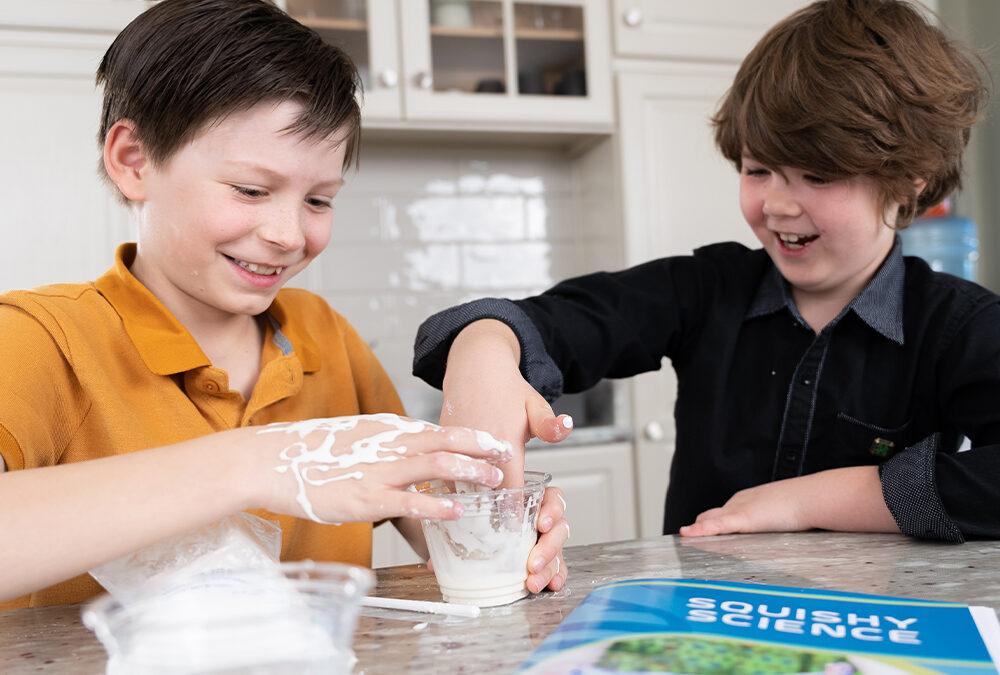
Choosing a homeschool science curriculum starts with understanding what your child needs. Their grade level, prior science experience, and learning abilities can help you determine which course will provide the right balance of instruction and hands-on exploration. ...
Teaching Resources & Guides
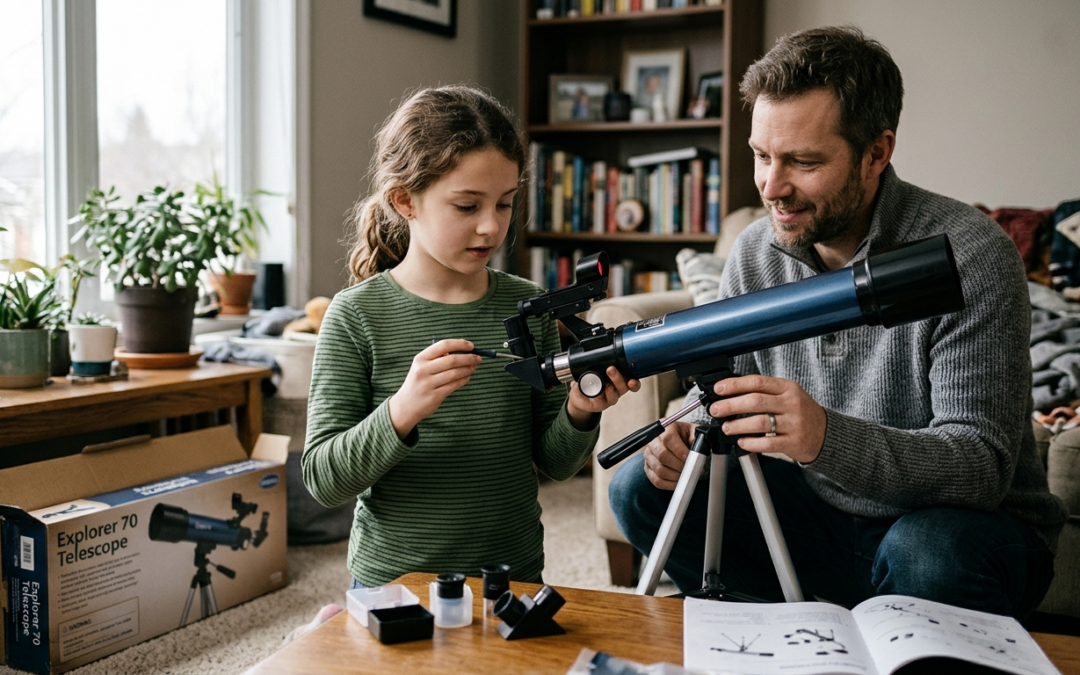
A telescope for kids introduces young astronomy enthusiasts to the Moon, planets, and distant stars. It makes early observations exciting while teaching basic principles of optics and space science. Age, telescope design, and ease of use all influence the viewing...
Teaching Resources & Guides
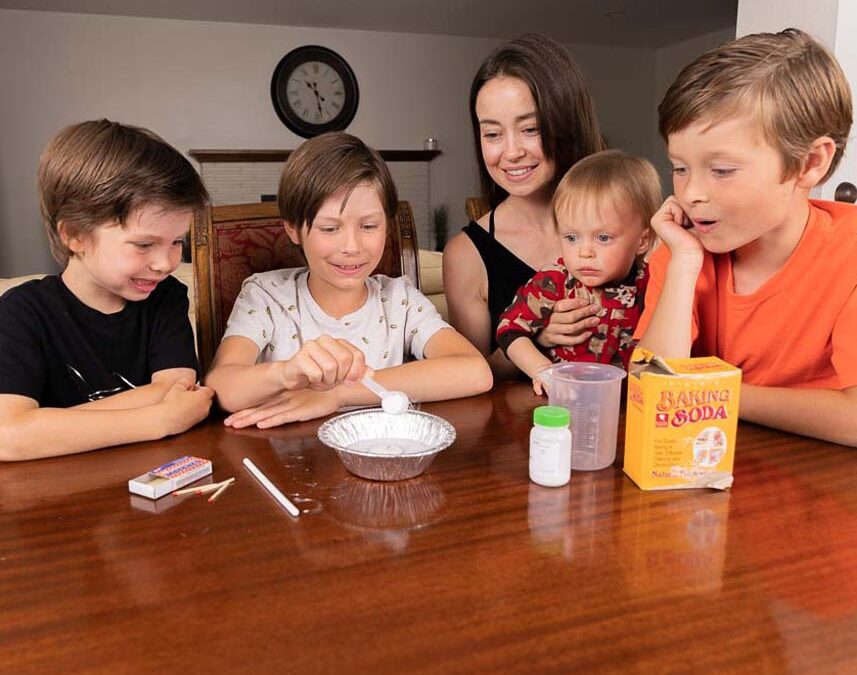
Teaching science to multiple ages of children can feel like a juggling act. One child is learning the skill of observation while another is ready to explain why something is happening—and then there’s you, trying to give everyone the support they need. The good...

Teaching Resources & Guides, Science Projects
Professional development is an important part of preparing educators to teach science. But for out-of-school-time (OST) facilitators, a training session is often just the beginning of what they need to succeed. Consider what happens after that initial training. A...