Teaching Resources & Guides
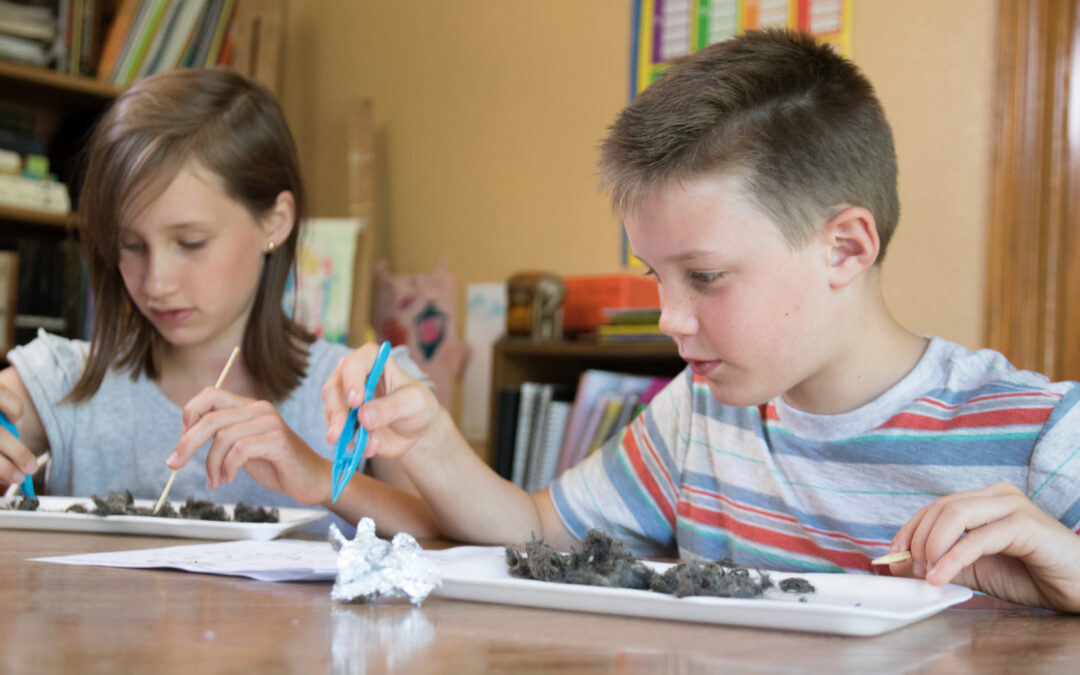
A few years ago, I walked into an elementary school classroom as students were investigating why one ice cube melted faster than the other. A few students were timing the melt. One group abandoned its initial prediction because the evidence wasn’t quite aligned....
Teaching Resources & Guides
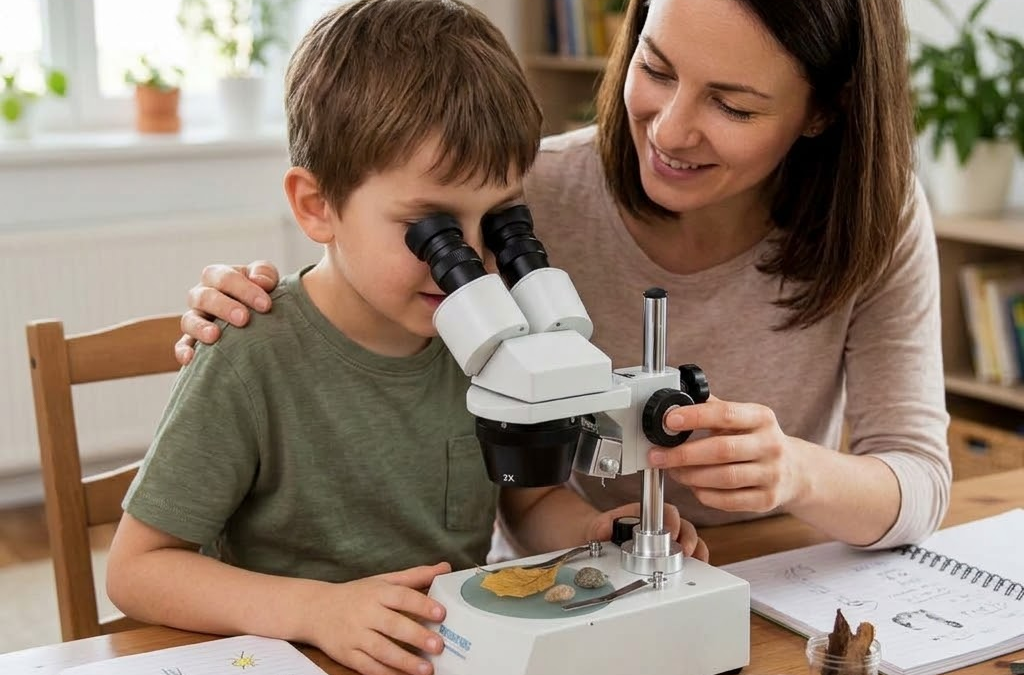
A backyard leaf, a colorful feather, or a small rock can reveal surprising details under magnification. When children learn science at home, they can observe texture, shape, color, and structure in everyday specimens. A dissecting microscope provides the magnification...
Teaching Resources & Guides
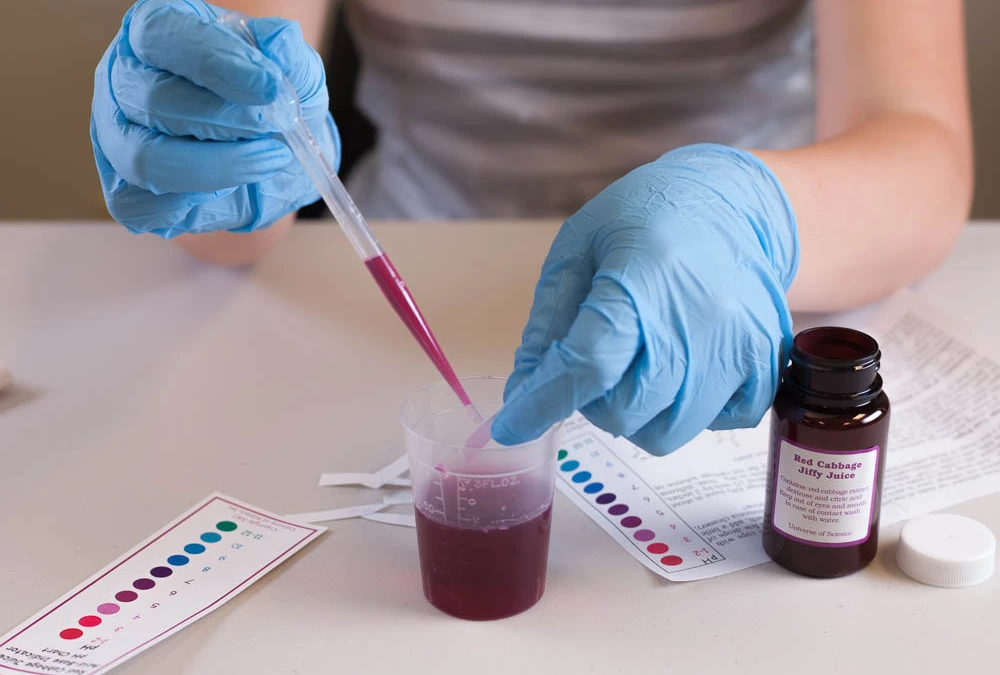
The kitchen lets kids explore scientific concepts through familiar ingredients. Milk changes into cheese, liquids form delicate spheres, and gummy candies develop their distinctive texture. Every transformation reveals something about chemistry, biology, or material...
Teaching Resources & Guides
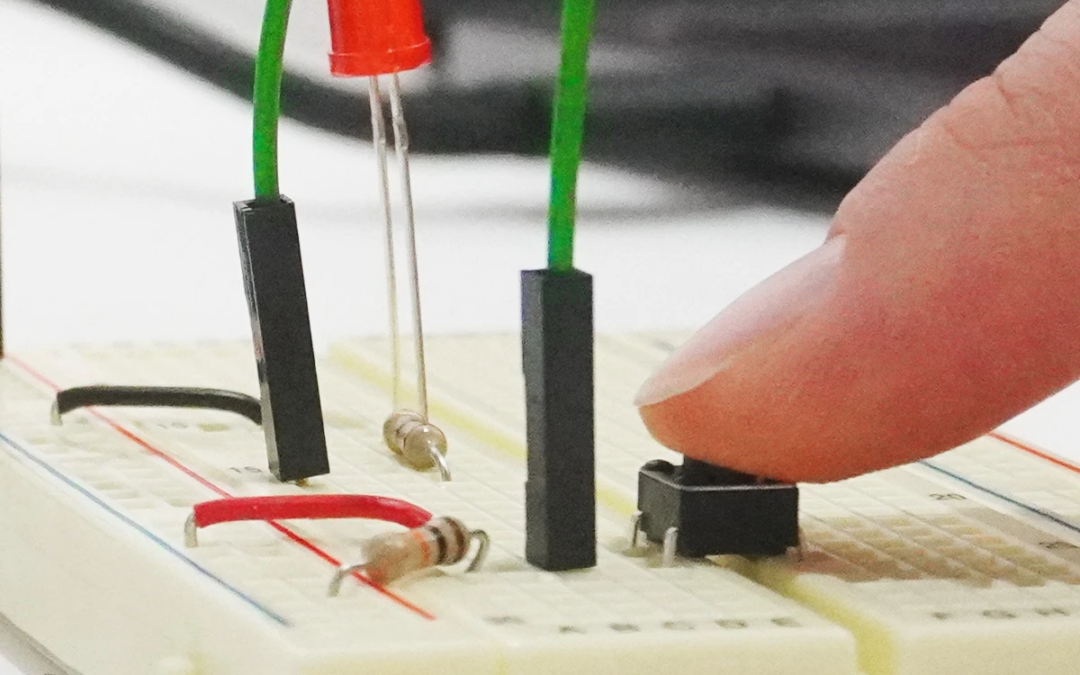
Robots can move, follow instructions, respond to light, and react to their surroundings. For children, these abilities introduce them to science, technology, engineering, and math (STEM). Experiential projects turn abstract ideas into activities that encourage...

Teaching Resources & Guides
The best science programs don’t begin with curriculum. They begin with confident teachers. The Teachers I Still Think About There are teachers I still think about, not because they struggled, but because they remind me how differently support looks...