Quick STEM Activities
Quick STEM activities can be done swiftly while teaching scientific concepts. Examples include nature trail walks, building simple structures, and instant chemical reactions. These activities can be done in a short period of time but provide lasting knowledge of STEM concepts.
STEM toys are a fantastic way of introducing kids to science; most children don’t even realize they are learning because they are too busy having fun! Tools like magnetic putty and fiber optic cables can entertain and teach at the same time. Science TV shows are great, but a child watching a reaction take place allows them to see, hear, and feel the reaction happening. This hands-on approach keeps young learners engaged.
Here are some STEM activities that don’t require weeks of work:
Instant Chemical Reactions
The first chemical reaction many kids learn is vinegar and baking soda. The instant and violent bubbling that occurs catches many off guard, and witnessing two seemingly innocuous items react when combined can ignite curiosity.
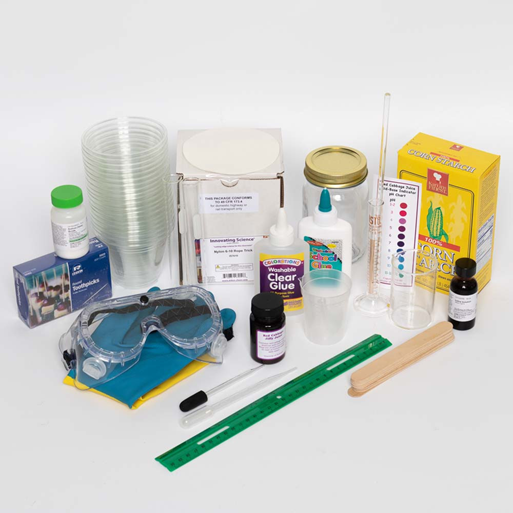
Some home STEM kits contain fifty or more experiments in a single kit and are pre-tested and safe as long as the directions are followed. These kits start simple and increase in complexity. Before long, children are performing more advanced experiments like oxidizing different metals.
While some experiments can take a while, most are designed to be fast so that children don’t become bored waiting for something to happen. For those who do get bored waiting, nature provides plenty of opportunities for simple science education.
A Journey Through Biology
Seasonal changes are an excellent time for STEM education examples. In spring, insects are still in their larval stages, and certain plants have only begun to bloom. Later in the year, those same insects and trees are now full-fledged adults and are beginning to go through the process of preparing for winter.
For the insects, this means laying eggs or going dormant. Trees, on the other hand, start shedding leaves in anticipation of storing energy for the lean months of winter.
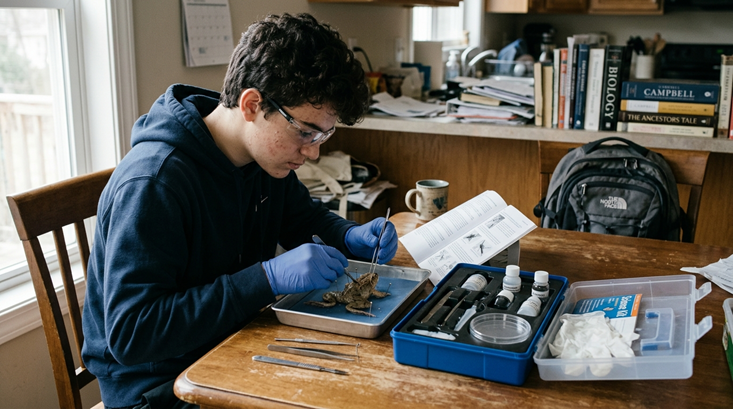
STEM kits are also available for kids interested in nature. Geology, biology, and environmental kits are a great way to educate kids while letting them discover the world for themselves. Learning through self-discovery is important because it teaches critical thinking skills instead of relying on others to provide the answer. In nature, opportunities for self-discovery are everywhere.
Building Foundations
Engineers are some of the most sought-after skilled professionals, yet fewer and fewer children are entering this field. Thankfully, home engineering STEM kits are available for multiple engineering disciplines.
Building simple bridges between tables with snap-together kits is a fun way to demonstrate physics and material strengths in the real world. Those wanting to take it to the next level can electrify their experience by creating simple circuits and programmable LED lighting.
Not Everything Needs to Happen Fast
STEM activities are easy to define: it’s any activity involving science, technology, engineering, or math. If a child doesn’t take to a certain area of STEM right away, try others.
For every mechanical engineer, there are ten people who’d rather be digging up rocks and vice versa. An interest in a STEM field can’t be forced, but it can be fostered by focusing on the activities your child enjoys.
Here at Home Science Tools, we provide kits to families and children of all ages to teach STEM concepts. With luck, your child will find one that ignites a new passion.