High school biology becomes more engaging when anatomy can be studied through direct observation. Dissection labs provide students with opportunities to examine organs, tissues, and body structures in physical specimens. With appropriate preparation, a home biology lab can support structured lessons in anatomy, zoology, and marine biology. Science kits can also simplify preparation by providing specimens, tools, guides, or other materials required for specific laboratory activities.
At Home Science Tools, we offer dissection materials designed for homeschool biology and classroom instruction. The selection includes curriculum-specific kits, individual specimens, dissecting tools, and personal protective equipment. Each option can support a different stage of high school biology study.
Step 1: Select a Dissection Lab That Fits the Curriculum
The first step is to identify the biological concepts covered in the lesson. A curriculum may focus on human anatomy, mammalian organs, fish anatomy, or marine organisms. Selecting specimens that correspond with the course keeps the laboratory activity connected to classroom instruction.
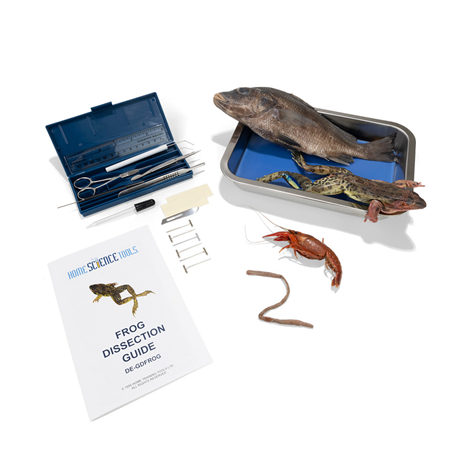
A curriculum-based kit can also reduce the time required to gather individual materials. Several Home Science Tools options are designed around established biology programs.
The Apologia Advanced Biology Dissection Kit, for example, includes specimens used in the Apologia Advanced Biology: The Human Body, 2nd Edition course. The kit contains:
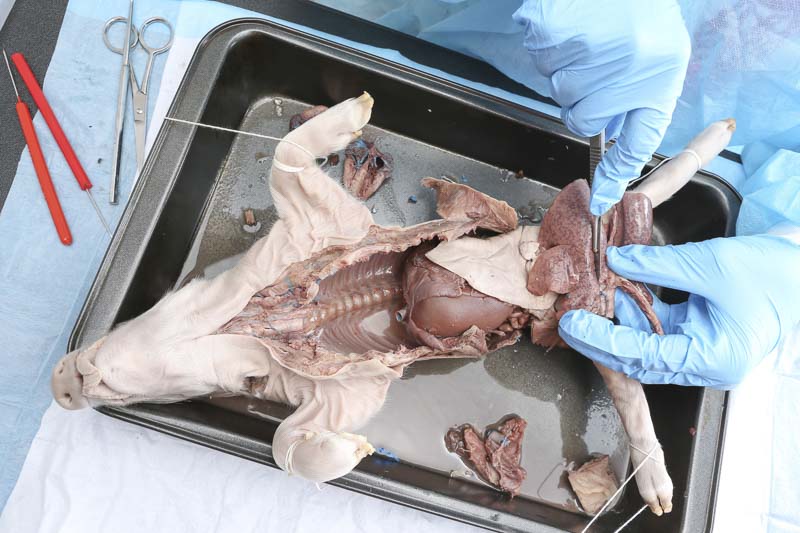
- One preserved fetal pig specimen
- One preserved mammal heart specimen
- One preserved cow eye specimen
These specimens support lessons focused on anatomy and biological structure. A dissection pan and advanced dissection tools can be purchased separately to complete a laboratory setup.
Step 2: Prepare the Laboratory Workspace
A suitable workspace should provide enough room for the specimen, tools, instructions, and safety equipment. A stable, washable surface helps keep the laboratory organized during the activity.
Before beginning, all materials should be placed within easy reach. The dissection pan should sit securely on the work surface. Tools should remain organized and handled according to the laboratory instructions.
Ventilation also deserves attention. The specimens supplied by Home Science Tools are processed to create moist, low-fume preserved specimens. Proper laboratory practices should still be followed whenever preserved biological materials are handled.
Step 3: Put Safety Equipment in Place
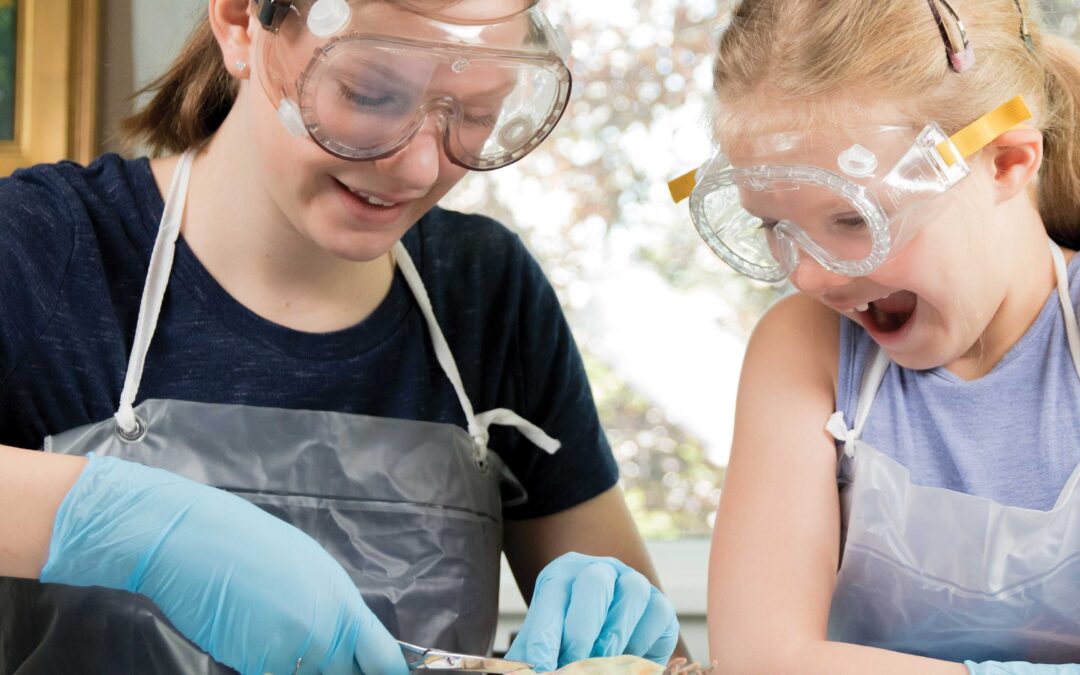
Safety preparation comes before specimen handling. Protective equipment helps reduce contact with biological materials and protects the eyes, hands, and clothing.
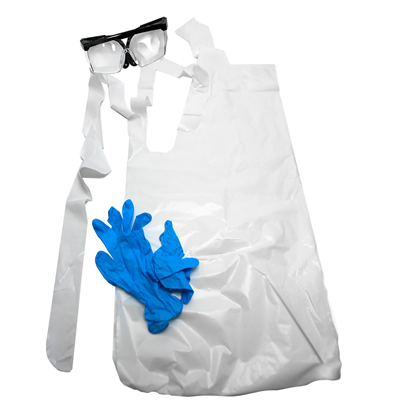
The Dissection Safety Pack includes:
- Safety glasses
- Disposable nitrile gloves
- A protective apron
The apron can be cut to size for a better fit. Small and medium safety packs are also available for different glove sizes.
Sharp dissecting instruments require careful handling and appropriate supervision. Laboratory directions should be reviewed before tools are used. After the activity, specimens, tools, and disposable materials should be handled in accordance with applicable disposal requirements.
Step 4: Follow the Dissection Guide
A successful dissection follows a planned sequence. Instructions typically identify external features first before moving toward internal structures. This progression helps connect visible anatomy with the biological functions discussed in the lesson.
The Novare General Biology Dissection Kit provides materials for several activities in The Apprentice’s Companion for General Biology. Its specimens and tools support mammal heart and kidney dissections, as well as perch dissections and other activities.
Each observation can be recorded as part of the biology laboratory work. Notes may include the location, appearance, texture, and function of observed structures. Drawings can also provide a useful record of anatomical relationships.
Connecting Observation With Biology
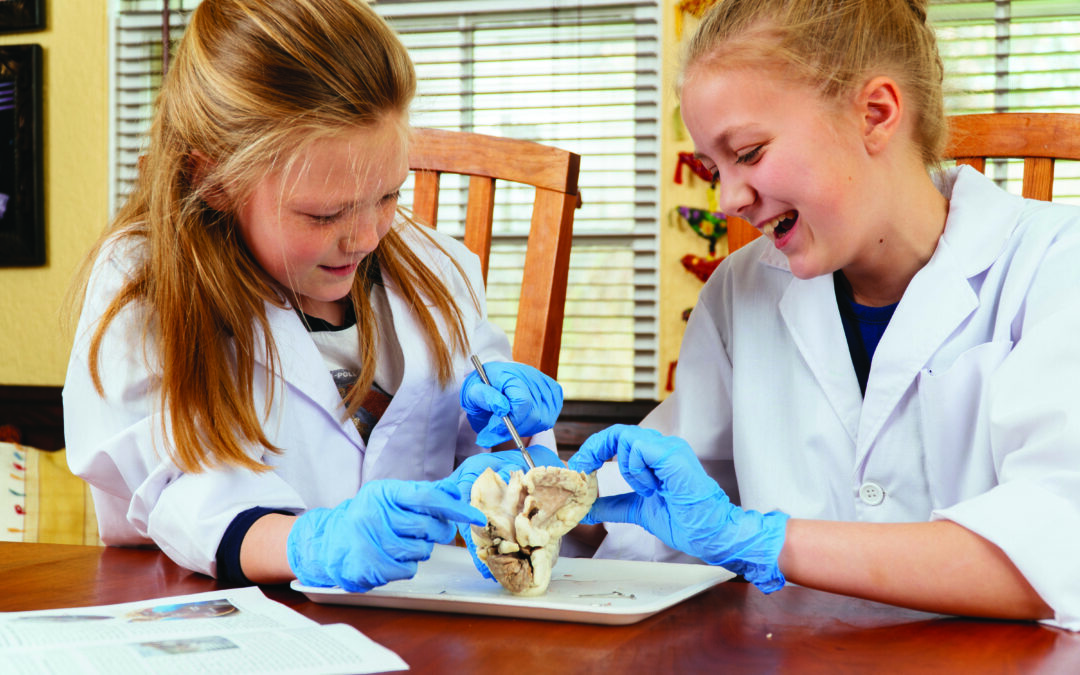
Dissection becomes more meaningful when observations are linked to biological concepts. A mammal heart, for example, can demonstrate chambers, valves, and major vessels. A cow eye can provide an opportunity to examine structures associated with vision.
The laboratory record can include:
- Specimen identification
- External observations
- Internal structures
- Anatomical drawings
- Functions of identified structures
- Questions and conclusions
This approach turns the physical specimen into evidence for the concepts covered in the biology course.
Step 5: Explore Specialized Biology Topics
High school biology can extend beyond mammalian anatomy. Marine biology offers another setting for hands-on laboratory study.
The Apologia Marine Biology Dissection Kit includes materials for dissection labs in Exploring Creation with Marine Biology, 2nd Edition. The kit contains a clam, brine shrimp eggs, shark, a dissecting tray, coral specimens, a sponge, Sea Fireflies, and a glow stick. Dissecting tools are purchased separately.
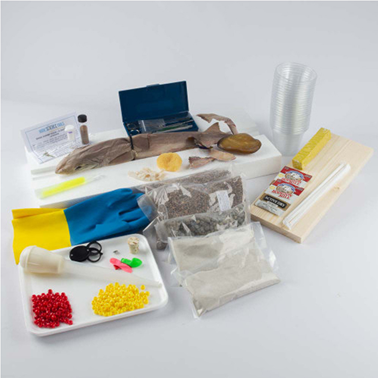
For additional laboratory activities, the Apologia Marine Biology Dissection and Lab Kit includes specimens of a clam, a shark, and a coral. It also contains a glow stick, sponge, and dissecting tools. The specimens are packaged to remain preserved for six months from the purchase date.
This kit also supports non-microscope marine biology labs. A separate microscope kit is available for curriculum-based slide activities.
Step 6: Consider a Complete Lab Solution
Some courses benefit from a kit containing specimens and equipment in a single package. The BJU Press Biology 10 Dissection Kit is designed for two hands-on dissection labs from the BJU Press Biology 10 Lab Manual, 6th Edition.
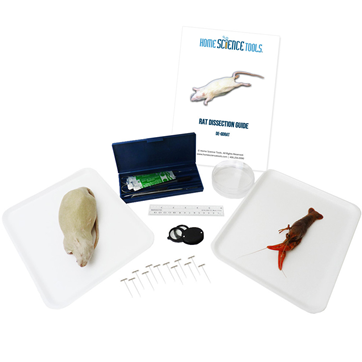
The kit includes:
- Dissecting tools
- A dissection guide
- Two preserved specimens packaged separately
Having the required materials together can simplify laboratory preparation and help maintain consistency between the lesson plan and the practical activity.
Building Stronger Biology Lessons at Home
Dissection labs provide a practical setting for studying anatomy and biological systems. Careful preparation, appropriate protective equipment, suitable specimens, and structured observation can create a productive home laboratory experience.
At Home Science Tools, our selection includes curriculum-specific dissection kits, individual specimens, tools, and safety supplies for biology education. Explore our dissection materials to find the right resources for upcoming high school biology labs and hands-on science lessons.