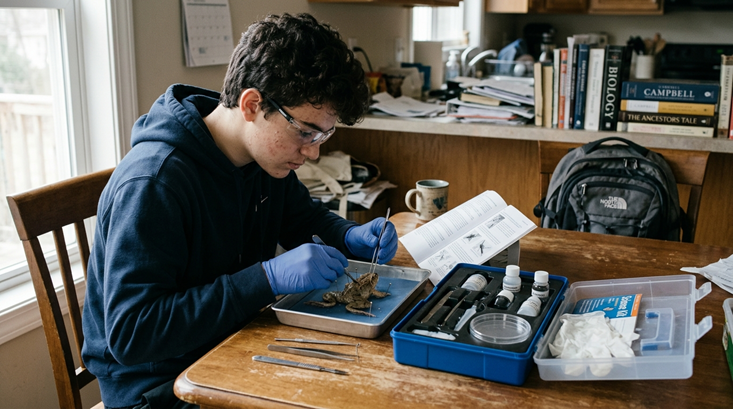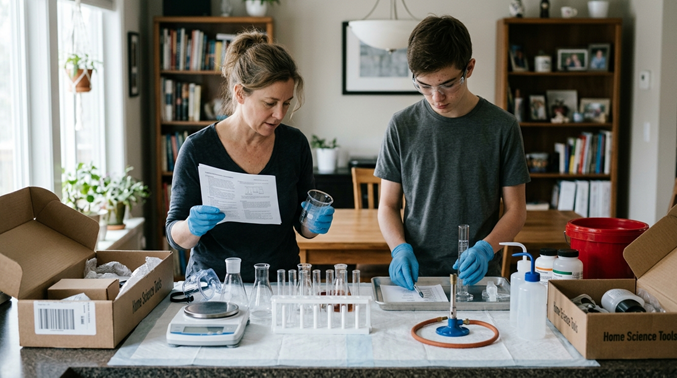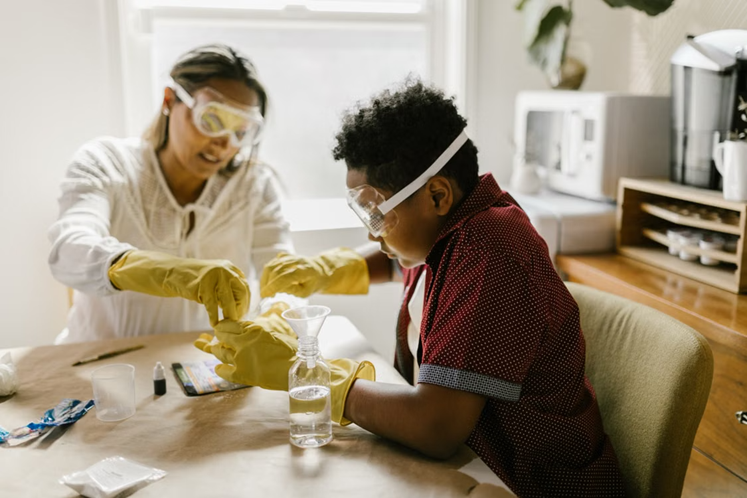
Homeschooling socialization seems to be the topic that everyone comes to first when talking about homeschoolers. If you are in the process of deciding whether homeschooling is for your family, you’re bound to be asked, “What about homeschooling socialization, though?” It goes without saying that homeschooled children and their families will face this question at some point throughout their homeschool journey.
Understanding Homeschool Socialization
The term socialization refers to how children gain social skills that will help them navigate societal norms and behaviors. The question talked about so often asks whether homeschooled kids will have the opportunities to experience a variety of social situations, develop relationships with others, and be able to work well with others in all kinds of social settings. In addition, will homeschooled children be able to learn to be tolerant and accepting of different cultures? Will they have the opportunities to interact with peers from all kinds of backgrounds?
Despite the popular acceptance of homeschooling, it remains controversial and all of the questions surrounding the social skills of children remain. The social skills of children are always questioned unless children are attending public school, it seems, although, if you look at children across the board, there are socialization questions that should be asked of all children. However, homeschooling parents that decide that home education is the best for their children often have an uphill battle when it comes to this topic.
Although to home educators this topic sounds like a silly one, it is somewhat understandable that those that are normally most concerned with it have spent a majority of their time in a traditional school system. The social interaction they’ve faced has been learned in a classroom and peer group that is among kids their own age, forced socialization if you will. As adults, the people that question a homeschooler’s ability to become socialized are full of misconceptions because they only know the experiences they’ve had.

Myth 1: Homeschooling socialization won’t offer experiences to other cultures.
If you have homeschooled for any length of time, you know that this just isn’t the case. Homeschooling socialization doesn’t just take place at home. Family members are part of the homeschool environment, of course, and socialization does happen there, but homeschool families are typically ready to find ways to help their homeschooled students experience real-world opportunities.
As homeschooling becomes more popular, there are many different ways to experience various cultures. Oftentimes, families will arrange for social opportunities through all sorts of playdates, homeschool co-ops, book clubs, field trips, sports teams, and a number of other extracurricular activities. These experiences all the children’s social skills to happen in a natural way, among a variety of people in the community, and allow children to learn from people of all ages. Not only do these things further the social development of children, but often take place outside of regular school hours.
Myth 2: Homeschooled children will only be able to interact with and learn from their families.
Homeschooling socialization is a beautiful blend of all different age groups within families. Your children could be interacting with younger children and older children by way of siblings or cousins. They will interact with and learn from adults in their families, as well as other community leaders they will come into contact with through other avenues.
The fact is homeschooled children interact with and learn from all age groups much of the time, building skills that will benefit them throughout their lives. Their counterpart peer group, which gets eight hours a day with the same-age children, has less opportunity to be in the community interacting with a variety of people.
Although public school children have an opportunity through sports and summer camps to interact with a variety of children, they don’t have the corner of the market on these opportunities. Homeschooled children have the same opportunities. Homeschool students have an abundance of opportunities to experience their community and world through activities outside of the home, even during the school day. They will not only be interacting with various age groups, but will also have the opportunity to learn from community leaders, sports coaches, and other parents through interactions at various homeschool group functions.
Another way to encourage your children to interact with and learn from others is to allow them the opportunity to attend a community college to earn dual credit in high school. . You will want to be sure you know that your child is mature enough to handle a college classroom setting. Many times, college classroom settings will have students read books that you might not be ok with them reading. This is an adult setting. There are many community colleges that allow dual credit to take place online, too, which might be an option for your child.
Myth 3: There won’t be as many opportunities for homeschooling socialization to happen because school is always done at home.
We used to joke in our family that we were a ‘based at home’ homeschool family because we were always on the go. What non-homeschool families don’t understand is that homeschool families often have so many opportunities to be on the go, out in the community, that it becomes important to pick and choose which activities you want to be part of.
Many areas have local homeschool support groups that will plan activities and field trips on a monthly (or more) basis. Many local businesses will embrace homeschool flexibility and offer opportunities for homeschoolers. For example, many museums, movie theaters, skating rinks, etc will have specific times set aside for homeschoolers to attend. They may even offer discounted tickets or entry fees.
It is wonderful to be able to take advantage of these things, but deciding which ones your family will do becomes essential so you can actually get school work done! As you take advantage of these opportunities, your children will interact with people throughout the community and build social skills.
Practical application
One story that my husband loves to tell is one where he was sold on homeschooling. We live in a town where there was a state-wide bike tour that came through. It was a weekday, and since my husband had some flexibility with his job, he and I planned to take the kids downtown to see the bikers come through on their way north.
The city had stands set up along the streets in the downtown area. We picked a spot, right on the front row, and sat waiting in anticipation of what we might see. The kids were excited and participated in the educational games about bike safety that the city had set up.
As the time arrived, the kids saw the bikers zoom by us. If you know about bike tours, you know that the bikers are sponsored. They will often drop their water bottles as they finish the water out of them. It just so happened that being on the front row has its advantages. One of the bikers finished water just as he reached us. As is customary for bikers, he dropped his water bottle – right in front of us. My son reached down and grabbed the plastic water bottle that was printed with “Gatorade” on it. He was so excited. He talked about biking for weeks and the experience he had that day.
Once we got home, my son went out to play with his public school friends from the neighborhood. We were the only homeschool family. As he and his friend were talking, he told his friend of the experience he had that afternoon. All of his excitement came through and his friend, somewhat sadly said, “Yeah, we did a worksheet about it.”
As my son came home and relayed this story to us, it was then we knew without a doubt that we were doing the right thing. The experiences our kids would have compared to the experiences of the same events that their public school counterparts had, was worth every question we answered about how our kids would be socialized.
The Research about Homeschooling Socialization
Unfortunately, research regarding homeschooling and socialization hasn’t been highly researched. However, the available research does point to a mostly positive outcome.
A systematic review in the Journal of School Choice found that not only do homeschoolers fare very well academically, they also appear to be well adjusted and well socialized.
“The search for peer-reviewed reports on the social development of home-educated children and adults revealed 15 studies. Thirteen of the 15 showed clearly positive outcomes for the homeschooled compared to those in conventional schools. “
Richard G. Medlin, Ph.D., a professor of psychology at Stetson University, published a review of homeschool research in the Peabody Journal of Education. His findings of homeschooling are detailed below:
- Homeschooling parents expect their children to respect and get along with people of diverse backgrounds
- Homeschooling parents provide there children with a variety of social opportunities outside the family and believe their children’s social sills are at least as good as those of other children
- Research suggests that homeschooled children have higher quality friendships and better relationships with their parents and other adults
- Homeschooled children are happy, optimistic, and satisfied with their lives overall
- Moral reasoning is at least as advanced as that of other children and they may be ore likely to act unselfishly
- As adolescents, homeschooled children have a strong sense of social responsibility and exhibit less emotional turmoil and problem behaviors than their peers
- Homeschool students who go on to college are socially involved and open to new experiences
- Adults who were homeschooled as children are civically engaged and functioning competently in every way measured
All of these things should give you comfort in knowing that you will not, indeed, “mess up your children” if you homeschool them. And, homeschooling socialization is not really something you need to worry about. Let the naysayers do that – you homeschool on.