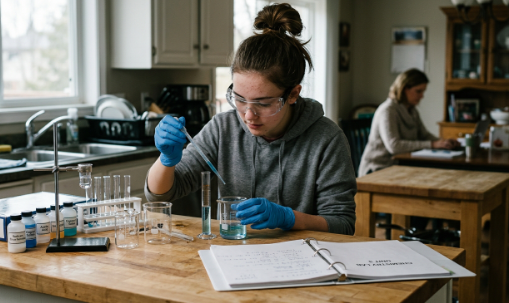
Engaging STEM Activities for Teens
Teens can explore many different concepts through fun and interactive activities. STEM lessons for teens can include experimenting, engineering, and more. If you have STEM toys for ten to twelve-year-olds, but your child is starting high school, it may be time to update their curriculum.
In this article, we’ll explore activities designed for teens. By engaging in these hands-on activities, they can explore the world of STEM and better understand key concepts they can take with them into higher education.
Insect Collecting
Collecting insects is a fascinating way for teens to learn about biology and ecology. This activity encourages them to get outside and explore natural habitats, observe insect behavior, and gain a better understanding of biodiversity.
Insect collection can also be a fun STEM activity for kindergarten, and there are other insect STEM activities for third graders through middle school. They will learn about different insects’ anatomy, life cycles, and ecological roles.
Materials Needed:
- Insect net
- Collection jars or containers (with small holes in the lids for ventilation)
- Guide for identifying insects
- Magnifying glass
- Notebook and pencil for observations
Collecting Insects:
- Use the insect net to catch various insects by sweeping the net gently through the air or over vegetation.
- For ground insects, search under rocks, logs, and leaves. Gently pick them up and place them in collection jars.
- As they collect insects, have them pay attention to their habitats and behaviors. They can note observations in their notebook.
Identifying Insects:
- Students can look through their insect guide to identify the species they have collected. Pay attention to body shape, color, number of legs, and wing structure.
- Students can use the magnifying glass to get a closer look at small features that can help with identification.
Releasing Insects:
- Once they observe and document, release the insects into their natural habitats.
- Release them into a safe environment similar to where they were found.
This activity promotes scientific inquiry and observation, giving teens a greater appreciation for the diversity of life in their own backyards.
Conduct a Chemistry Experiment
Hands-on experiments offer teens an engaging way to learn the principles of chemistry. These activities give them experience with abstract concepts and can help them develop critical thinking skills.
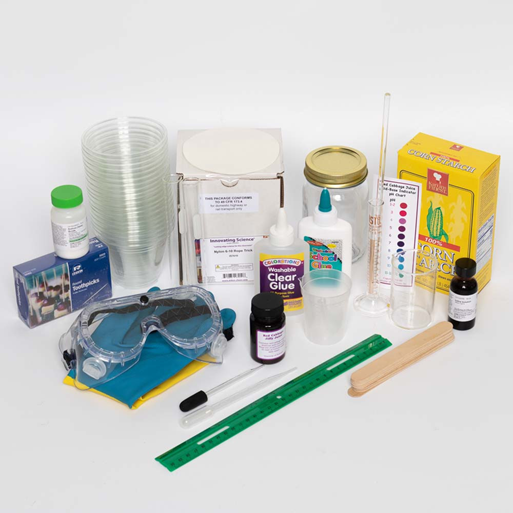
Materials Needed:
- Safety goggles
- Gloves
- Lab coat or apron
- Baking soda
- Vinegar
- Small plastic cups or beakers
- Measuring spoons
- Stirring sticks
- Lab notebook and pencil for observations
Preparation:
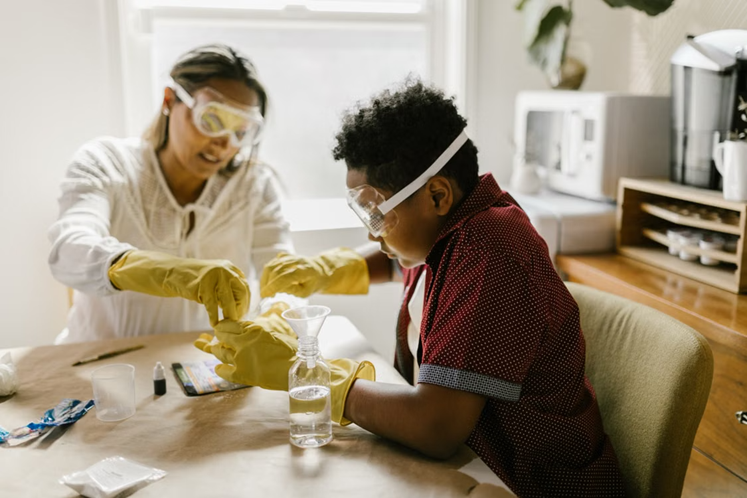
- Set up a clean, safe workspace, and wear your safety goggles, gloves, and a lab coat or apron to protect yourself.
- Read through the instructions to understand all of the safety precautions.
Setting Up the Experiment:
- Measure one tablespoon of baking soda and place it in a small plastic cup or beaker.
- Measure 1/4 cup of vinegar and pour it into a separate beaker.
- Slowly pour the vinegar into the cup with the baking soda and watch the reaction.
- The mixture will fizz and bubble as the baking soda and vinegar react to form carbon dioxide gas.
Recording Observations:
- Students can use their notebooks to record any observations of the reaction. Have them note how long the reaction lasts from start to finish. Also, record the intensity of the fizzing, bubbling, and any other changes.
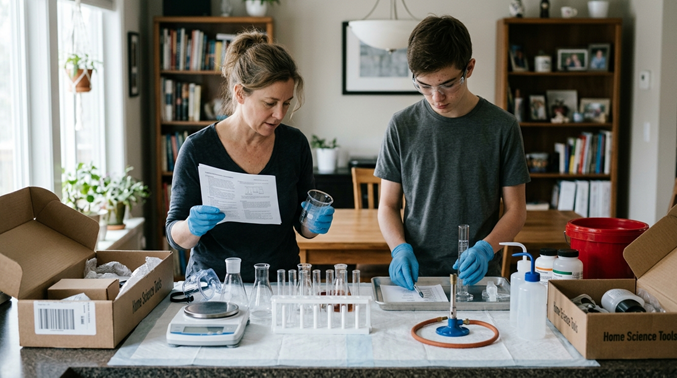
There are so many possibilities to learn about chemistry. Home Science Tools offers complete chemistry kits that include more than forty science tools and chemicals. There are twenty-seven engaging experiments they can do that come with manuals and safety equipment.
Final Takeaways
Teens develop essential skills by exploring, experimenting, and documenting their findings. Offering teens fun STEM activities is a great way to help them learn.
Whether they are conducting chemistry experiments or collecting insects, these hands-on lessons can provide practical experience in various subjects. Encourage teens to learn more about STEM through kits and more from Home Science Tools.