Fun STEM Activities for Third Graders
STEM education is essential for young learners. The benefits go far beyond the traditional science fields. It can inspire children to pursue other interests and turn them into confident problem solvers. Some hands-on STEM activities for third graders include making a thermometer, using vegetables to power different outputs, and making elephant toothpaste.
Today, we’ll explore different projects and STEM toys for eight-year-olds. Have children in a different age group? Home Science Tools has STEM activities for second graders and STEM activities for teens. Join us as we explore and discover the joy of learning through hands-on activities.
Make a Thermometer
Making a thermometer can be an exciting and fun project for students to experiment with various temperatures. Students can learn about weather science and uncover the mysteries of heat energy. They will gain hands-on experience with how liquid expansion and contraction can show temperature changes.
To make a thermometer, you need a bottle, a straw, clay, and isopropyl alcohol. By making the thermometer, children work on their engineering and problem-solving skills. Calibrating the thermometer and recording temperature levels involves basic math skills essential for higher learning.
The Science Unlocked Hot and Cold curriculum kit makes learning about temperature fun. It is perfect for a young meteorologist who wants to understand how temperature affects air pressure and model different temperatures in hot water versus cold water. The kit includes several science activities, a student curriculum workbook, and a teacher guide.
Veggie Power Activity
Energize the day with a veggie power activity any third grader will enjoy. It’s an educational and engaging way to explore the principles of electricity and chemical reactions.
You’ll need a Veggie Power Battery Kit, which includes electrodes, a digital multimeter with test leads, and a piezoelectric buzzer. This activity also requires potatoes and a saltwater solution. Students will be able to create a battery from the metal electrodes and a potato.
They can experiment with different fruits‒such as lemons or apples‒and compare their power outputs. Students will learn about positive and negative terminals and how to measure the voltage produced.
Students will gain an understanding of electrodes and electrolytes, voltage, and electrical currents. The activity will encourage students to engage in the scientific process, and they’ll have a deeper understanding of how batteries and electricity work.
Make Elephant Toothpaste
Creating elephant toothpaste is another great activity that introduces third graders to the exciting world of chemical reactions. The Fizz, Foam, and Fire! Science Unlocked kit from Home Science Tools provides everything needed to perform this exciting and educational activity.
The kit includes:
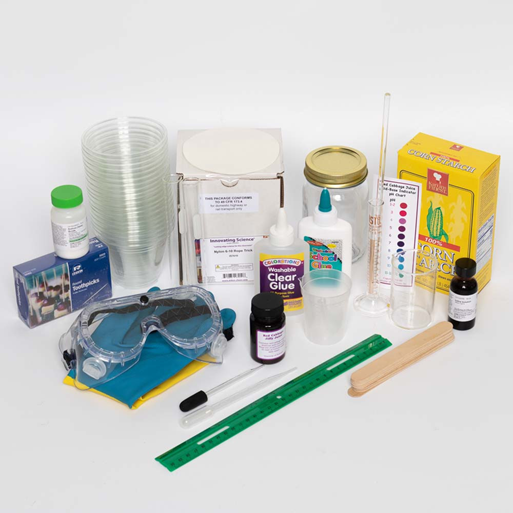
- All items needed to complete the experiments including hydrogen peroxide, yeast, dish soap, and other materials
- Full-color student curriculum workbook
- Teacher guide
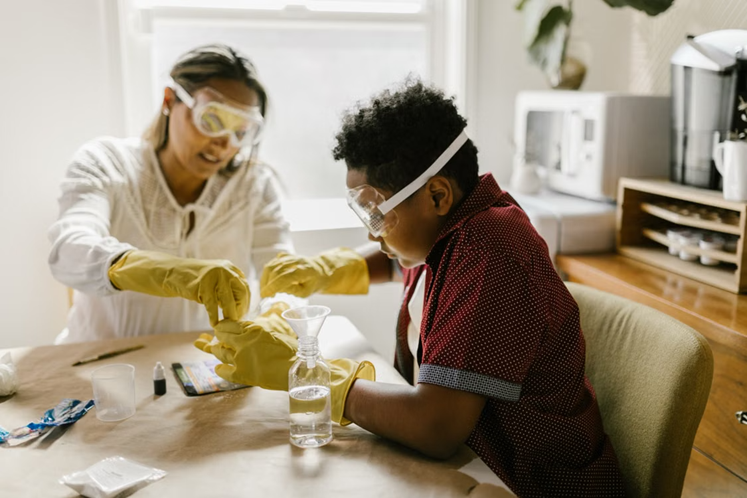
To make elephant toothpaste, students will pour hydrogen peroxide into a bottle. Next, add a few drops of dish soap to the bottle and mix it together. In a separate cup, combine yeast and warm water until the yeast is dissolved. Finally, students will pour the yeast into the bottle and watch as it foams and rapidly expands. It should look like a giant tube of toothpaste‒hence the name.
During the activity, third graders will develop an understanding of chemical reactions. They’ll be able to answer questions about the difference between a physical and chemical change and talk about endothermic and exothermic reactions. Making elephant toothpaste is just one of many experiments they can do with the Fizz, Foam, and Fire! kit.
Discover STEM Activities
Introducing third graders to various STEM activities can ignite a passion for learning. Fun projects like making a thermometer, generating electricity, and creating chemical reactions allow children to experience the thrill of science and experimentation. Home Science Tools has STEM kits and materials for children of all ages.