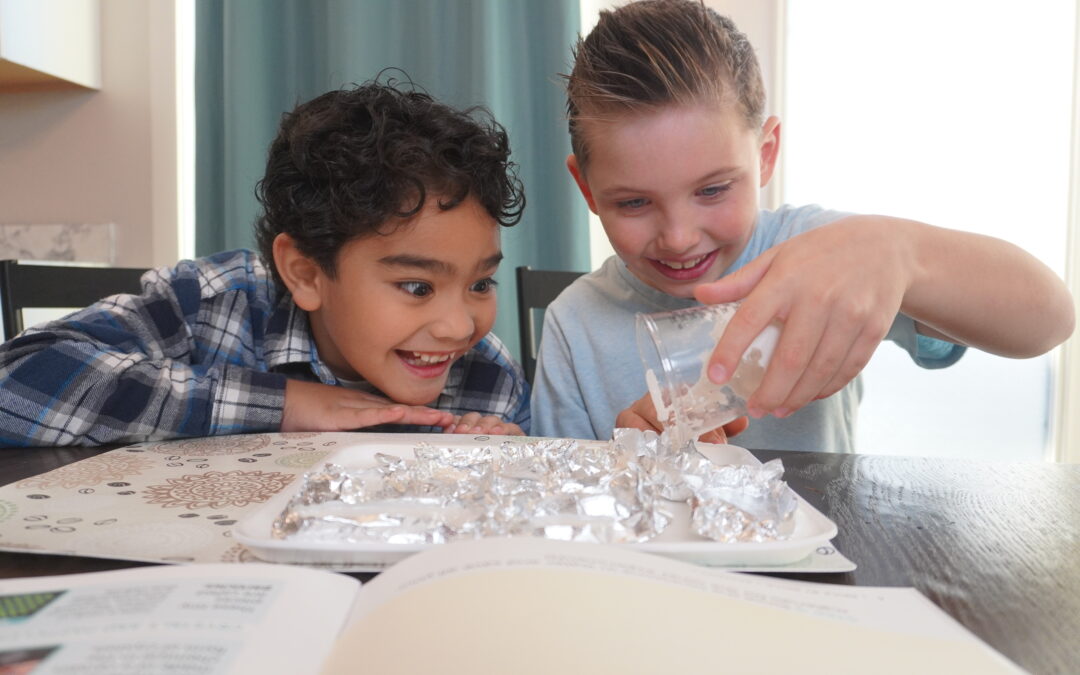
The kitchen lets kids explore scientific concepts through familiar ingredients. Milk changes into cheese, liquids form delicate spheres, and gummy candies develop their distinctive texture. Every transformation reveals something about chemistry, biology, or material science.
Kitchen experiments connect classroom concepts with everyday experiences. With the right equipment and instructions, students can explore real chemical reactions while creating something interesting.
These five kitchen science kits from Home Science Tools explore different areas of food science with activities for curious learners at home.
- Spherification Kit: The Chemistry Behind Edible Spheres
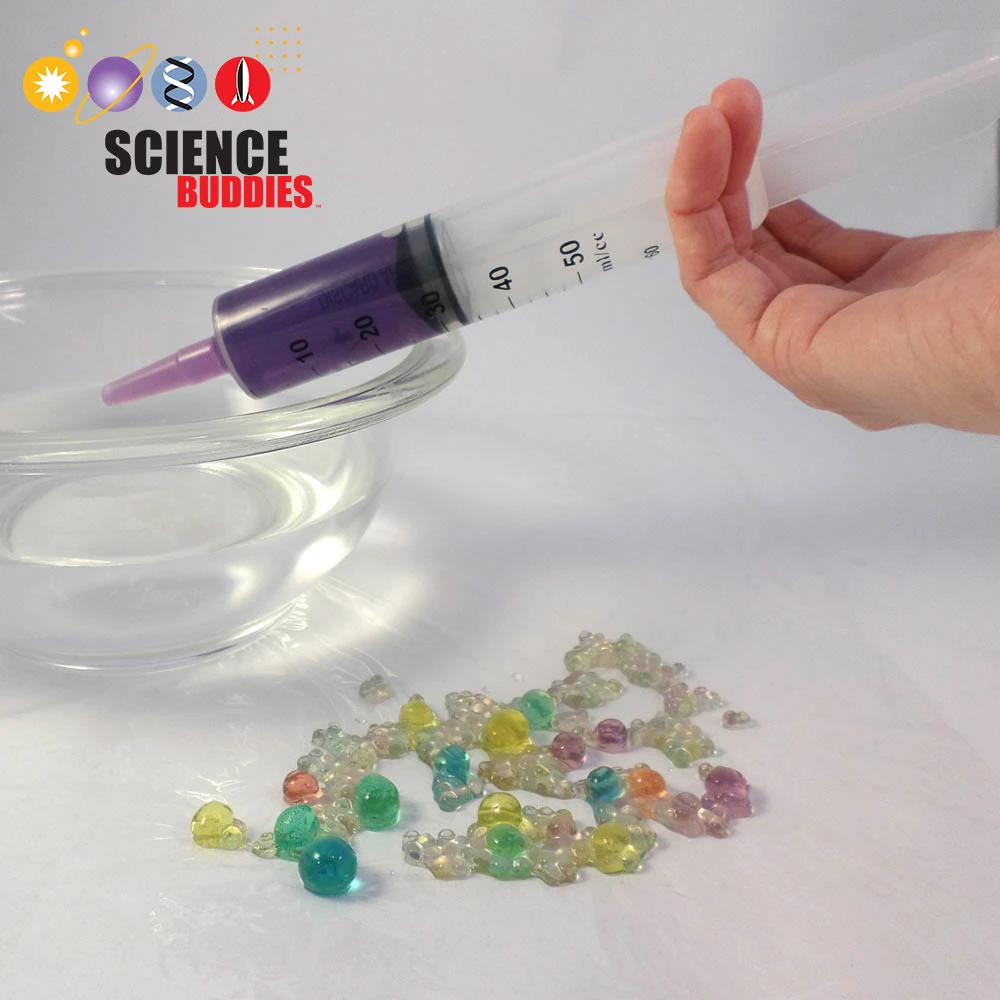
Liquid ingredients take on an unexpected form with the Spherification Kit. This experiment transforms juice, yogurt, and other liquids into small spheres with delicate outer shells. The process introduces students to gel formation and alginate’s chemical properties.
The kit includes sodium alginate, calcium chloride, sodium citrate, and a syringe for shaping uniform spheres. Sodium alginate, a substance extracted from seaweed, reacts with calcium ions to form a gel around the liquid.
This reaction opens the door to several scientific discussions. Students can explore how gel formation relates to biological processes, including blood clotting, and investigate alginate’s possible uses in tissue engineering. Its use in sustainable materials also introduces questions about alternatives to certain plastic-based fibers.
The experiment encourages learners to observe changes in texture and structure while considering how one chemical reaction can serve different purposes.
- Cheesemaking Kit: Mozzarella and Ricotta
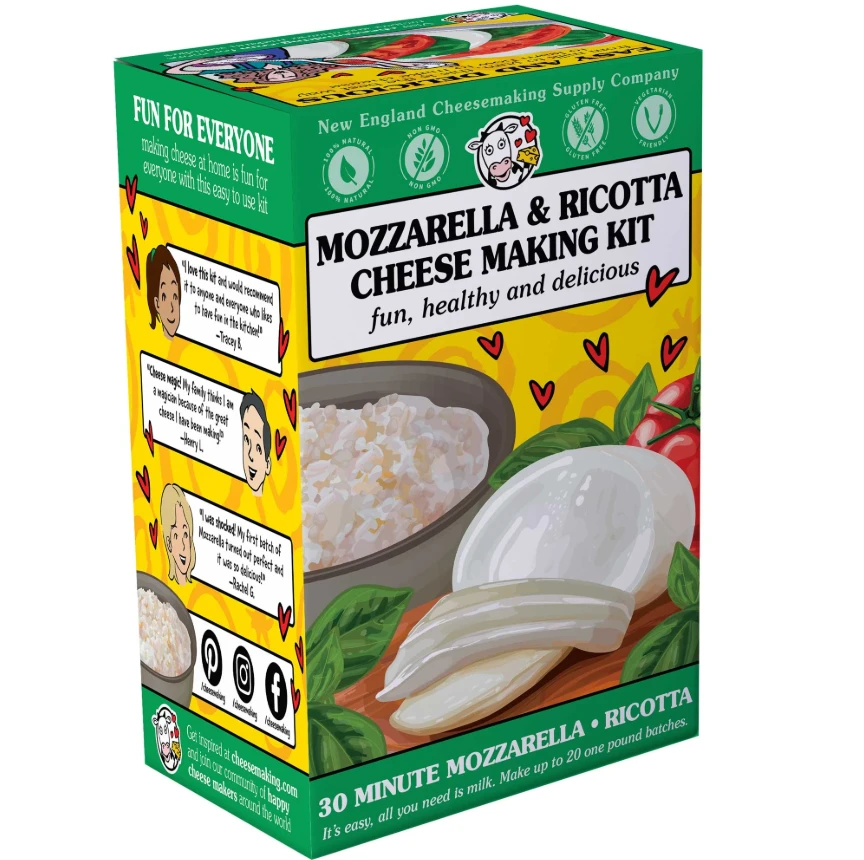
Making cheese offers a delicious introduction to milk chemistry. The Cheesemaking Kit – Mozzarella & Ricotta lets students prepare fresh cheese in under an hour while examining the reactions behind the transformation.
Milk contains proteins that change structure during cheesemaking. As coagulation occurs, these proteins form curds that separate from the remaining liquid. Observing this process shows how chemical conditions affect food ingredients.
The kit includes a dairy thermometer, cheesecloth, and supplies for up to 20 batches. Regular cow’s milk or goat’s milk from a grocery store provides the main ingredient.
Repeated experiments also encourage observation. Students can compare batches, record texture differences, and consider how temperature affects the final result.
- Orange Juice Titration Kit: Measuring Vitamin C
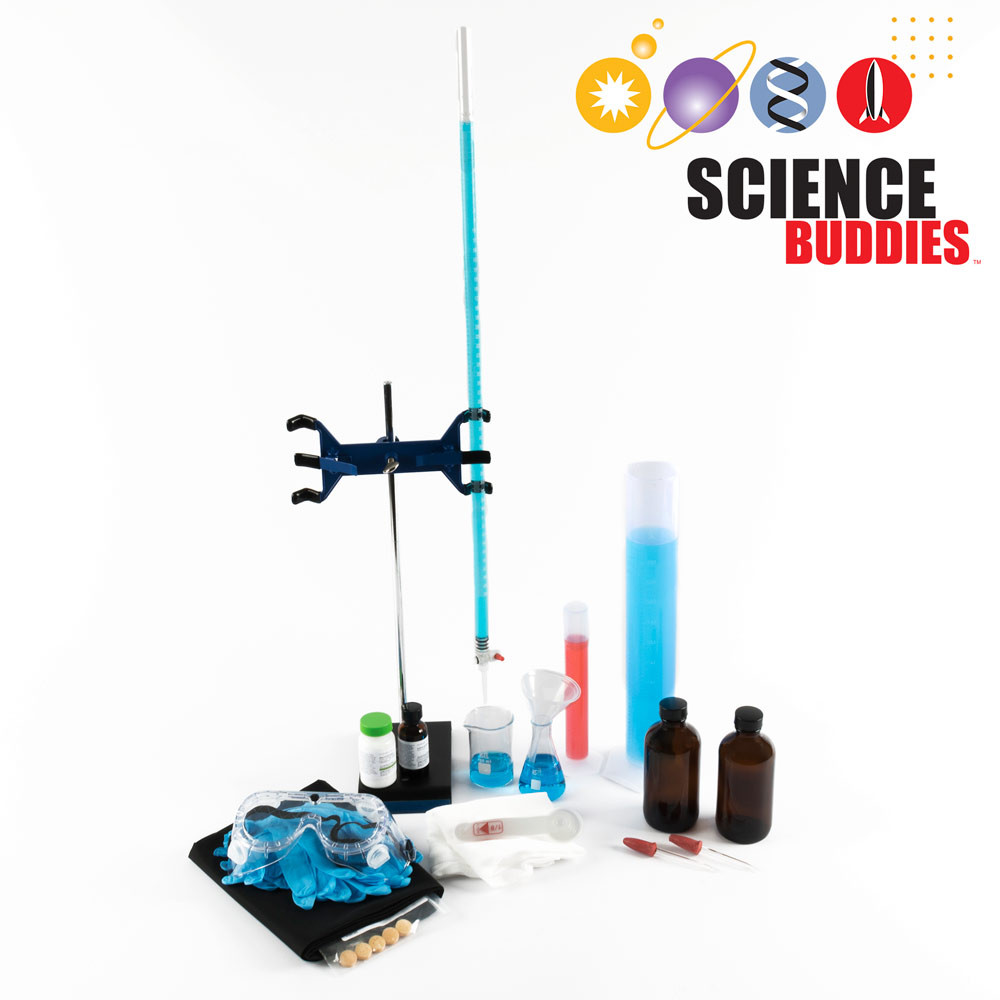
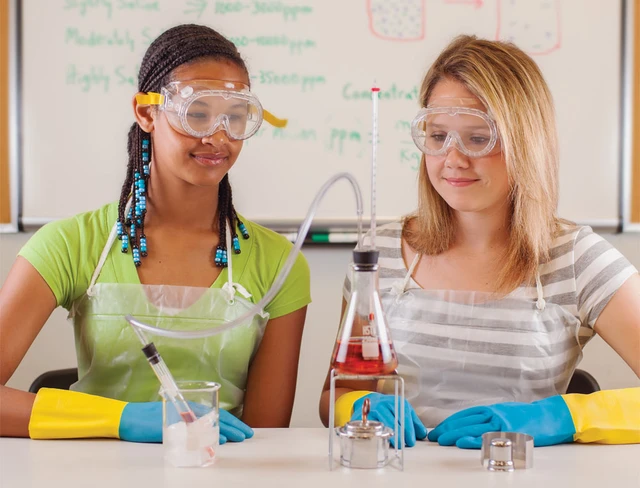
Food science also involves measurement and analysis. The Orange Juice Titration Kit introduces students to a laboratory technique for determining a substance’s concentration in a solution.
The kit includes a burette, graduated cylinders, an Erlenmeyer flask, and the reagents required for an iodine titration. During the experiment, iodine reacts with vitamin C in the sample. A color change marks the endpoint, allowing students to calculate the vitamin C concentration.
Students can extend the investigation with different samples. They can compare several juice brands or examine differences between fresh and stored produce. Recording the results gives them experience with data collection and quantitative analysis.
This activity demonstrates how chemists investigate the composition of familiar foods using laboratory equipment and controlled procedures.
- Bubble Gum Chemistry Kit: Stretchy Polymers
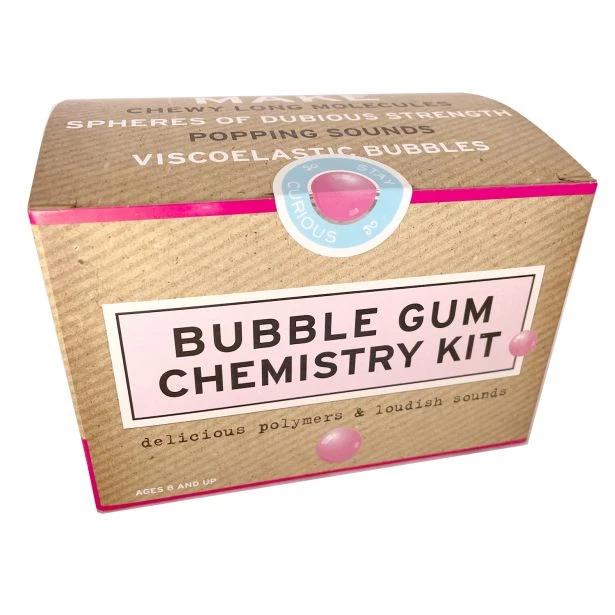
Bubble gum is an engaging way to study polymers and material properties. With the Bubble Gum Chemistry Kit, students make their own gum while investigating why it stretches, bends, and forms bubbles.
Polymers consist of long molecular chains that influence a material’s physical behavior. In gum, these properties add to its characteristic elasticity and chewiness. It lets students observe how the finished material stretches before snapping or popping, then connect those observations with the science of viscoelasticity.
The kit includes ingredients and instructions for making gum, along with guided experiments about polymer properties. Its activities introduce concepts from organic chemistry and materials science without depending exclusively on textbook explanations.
The finished gum shows a familiar example of how molecular structure affects the properties of everyday materials.
- Chemistry of Ice Cream Making Kit: The Science of Freezing
Making ice cream at home offers a tasty introduction to freezing science. The Chemistry of Ice Cream Making Kit explores how salt and sugar affect water’s freezing point, connecting a familiar treat with important concepts in chemistry and physics.
Pure water freezes at 0°C. However, dissolving substances like salt or sugar in water lowers its freezing point. This phenomenon explains why salt forms a layer around ice during traditional ice cream making. The same principle also explains why road crews spread salt on icy streets during winter.
With this kit, students prepare solutions with different salt and sugar concentrations, then measure the temperature at which each freezes. They compare their measurements with predictions from the freezing point depression equation, gaining experience with experimental data and scientific calculations.
The final experiment puts these findings to work. Students use a mixture of ice and salt to freeze their own batch of ice cream, observing how the process works while enjoying the results.
Bringing Food Science Into Home Learning
Kitchen experiments connect scientific concepts with experiences students already recognize. Each activity encourages learners to ask questions, observe changes, and explain the results using evidence.
These projects also support different educational goals:
- Elementary learners can explore textures, shapes, and visible changes.
- Middle school students can investigate reactions, polymers, and measurement.
- High school students can examine chemical mechanisms, compare experimental results, and record quantitative data.
At Home Science Tools, our science kits bring hands-on learning into the home with supplies and instructions developed for guided experimentation. Explore our collection to find chemistry, biology, physics, and other STEM activities that match each student’s interests. A familiar ingredient might spark a lasting interest in science.