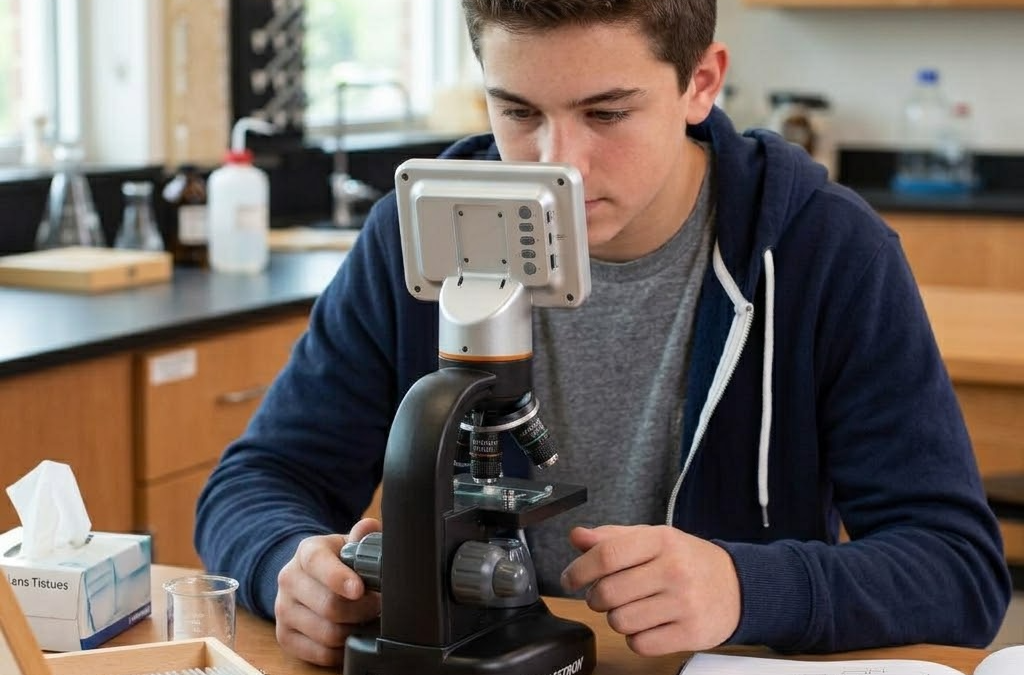
A telescope for kids introduces astronomy through direct observation and simple experiments. It supports curiosity about stars, planets, and distant objects while building patience and focus. At Home Science Tools, our goal is to connect scientific ideas with hands-on tools that make learning clear and engaging.
Astronomy encourages observation skills, note-taking, and pattern recognition. Children begin to track the Moon’s phases, identify constellations, and notice movement across the sky. These activities support both structured learning and independent exploration.
Types of Telescopes for Beginners
Understanding telescope designs helps families select equipment that matches skill level and interest. Each type offers a different viewing experience.
Reflector Telescopes
Reflector telescopes use mirrors to collect and focus light. They allow observation of faint objects such as galaxies and nebulae. These models often need alignment, which introduces basic optical concepts.
Refractor Telescopes
Refractor telescopes rely on lenses to form images. They provide sharp views of the Moon and planets. Many entry-level models use this design due to simple maintenance and reliable performance.
Dobsonian Telescopes
Dobsonian telescopes use a reflector system with a stable base. They provide strong light-gathering ability and smooth movement. These features support longer observation sessions.
Hybrid Telescopes
Hybrid models combine lenses and mirrors. They balance image clarity with compact design. These systems support gradual skill development in astronomy.
Learning Through Observation
A telescope for kids turns abstract space concepts into visible experiences. Observing Jupiter’s moons or Saturn’s rings helps connect textbook knowledge with real-world examples. Common beginner observations include:
- Craters and shadows on the Moon
- Bright planets such as Jupiter and Saturn
- Star clusters and visible constellations
- Occasional events like meteor showers
Recording observations in a notebook builds scientific habits. Sketching what is seen improves attention to detail and reinforces learning.
Supporting Tools and Activities
Astronomy learning extends beyond telescopes. Additional tools help keep engagement high.
Binoculars offer a simple way to observe the night sky. They are easy to handle and useful for scanning large areas. Planetarium kits provide indoor learning opportunities and help visualize constellations.
DIY telescope projects also introduce optical principles. Building a simple model shows how lenses and mirrors direct light. This activity strengthens understanding through direct construction.
Curriculum programs such as R.E.A.L. Science Odyssey and Real Science-4-Kids support structured study. These resources connect observation with scientific explanation.
Choosing the Right Telescope by Age
Selecting the right equipment depends on age, coordination, and attention span. Each stage benefits from tools that match learning ability. At Home Science Tools, our collection features different telescope options for kids:
Ages 5+ — Celestron Travel Scope 70 Portable Telescope
The Travel Scope 70 offers a lightweight design and quick setup. It weighs just over three pounds, making it easy to carry and position. The refractor system supports both daytime and nighttime viewing.
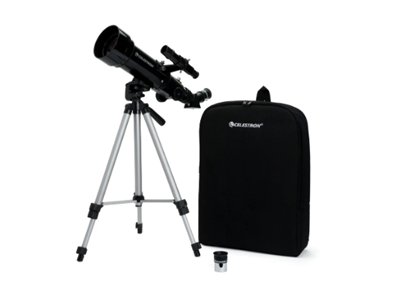
This model includes two eyepieces for varied magnification and a finderscope for locating objects. The adjustable tripod allows comfortable positioning on different surfaces. A travel backpack keeps all components organized.
This telescope works well for simple observations of the Moon, bright planets, and distant landscapes. It introduces basic controls without complex adjustments.
Ages 8+ — Celestron PowerSeeker 80AZS Telescope
The PowerSeeker 80AZS provides more detailed viewing with a short refractor design. It supports observation of planets, star clusters, and brighter deep sky objects.
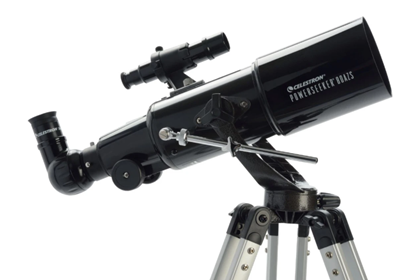
The manual alt-azimuth mount uses a panning handle for smooth movement. This design helps users track objects as they move across the sky. The included accessories expand viewing options:
- Two eyepieces for different magnifications
- A 3x Barlow lens for increased power
- An erect image diagonal for daytime viewing
- A finderscope for accurate targeting
This telescope balances portability with improved image detail, making it suitable for regular observation sessions.
Ages 9+ — Stellarcope Star Locator
The Stellarcope offers a different approach to astronomy learning. It focuses on identifying stars visible to the naked eye rather than magnifying distant objects.
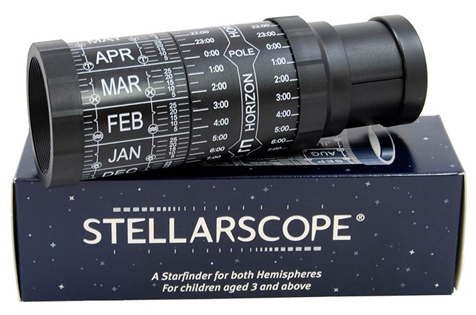
This device includes star maps for both hemispheres with over 1,500 labeled stars. Users adjust the time and date to match the current sky. Looking through the device reveals a map aligned with real star positions.
A built-in night-viewing light allows use in dark conditions. This tool supports an understanding of star patterns and seasonal changes. It builds foundational knowledge before using more complex equipment.
Ages 10+ — Celestron StarSense Explorer
The StarSense Explorer introduces guided observation using smartphone technology. It uses an app to determine the telescope’s position and suggest visible objects.
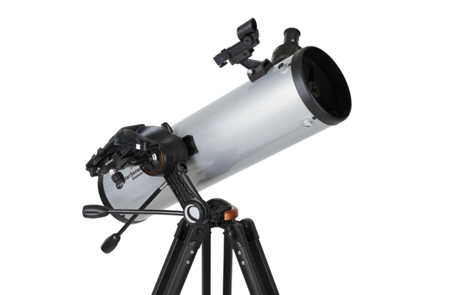
The 130mm reflector gathers enough light to show detailed features such as Jupiter’s cloud bands and Saturn’s rings. The system includes:
- Two eyepieces for flexible viewing
- A red dot finder scope for alignment
- A stable altazimuth mount for smooth movement
The app displays arrows to guide positioning. Once aligned, it highlights when the object is ready to view. This system supports independent exploration with clear direction.
Ages 8+ and Up — Celestron NexStar 8SE Computerized Telescope
The NexStar 8SE provides advanced features with automated tracking and object location. It includes a database of over 40,000 celestial objects accessible through a hand controller.
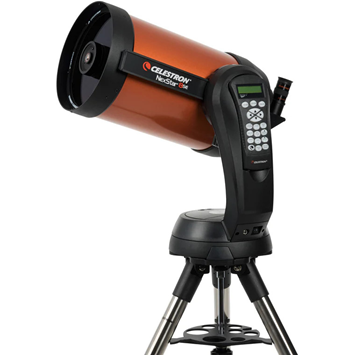
The eight-inch aperture allows observation of faint objects such as distant galaxies and dense star clusters. The single fork arm mount supports stability while remaining portable.
Alignment uses a simple process that centers three bright objects. After setup, the telescope tracks targets automatically. This feature allows extended observation without constant adjustment.
This model supports long-term learning and a more detailed study of astronomy.
Building Interest in Astronomy
A telescope for kids encourages consistent engagement with science through repeated observation. Each session reveals new details, which support ongoing curiosity. Simple habits can improve the experience:
- Observing at the same time each night
- Choosing locations with low light interference
- Allowing eyes to adjust to the darkness
- Keeping notes and sketches
These practices help build confidence and deepen understanding over time.
A Hands-On Learning Experience
At Home Science Tools, we make science visible and interactive. Telescopes connect classroom concepts with real observations in the night sky. Each model supports different stages of learning, from early exploration to advanced study.
Exploring astronomy builds skills that extend beyond science. It strengthens patience, attention, and curiosity. With the right tools, the night sky becomes an ongoing source of discovery.
Explore our telescopes, astronomy kits, and learning resources here at Home Science Tools to support every stage of scientific growth.