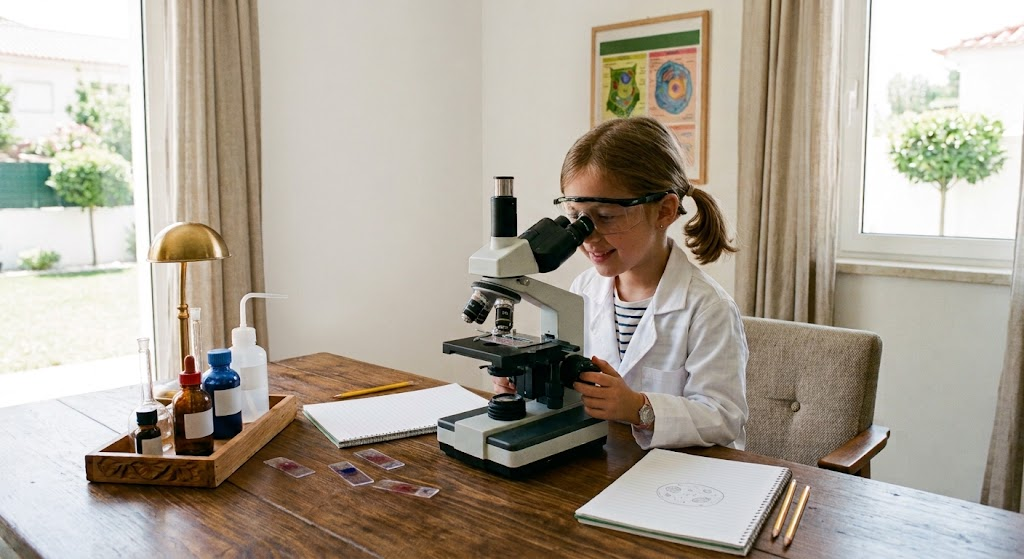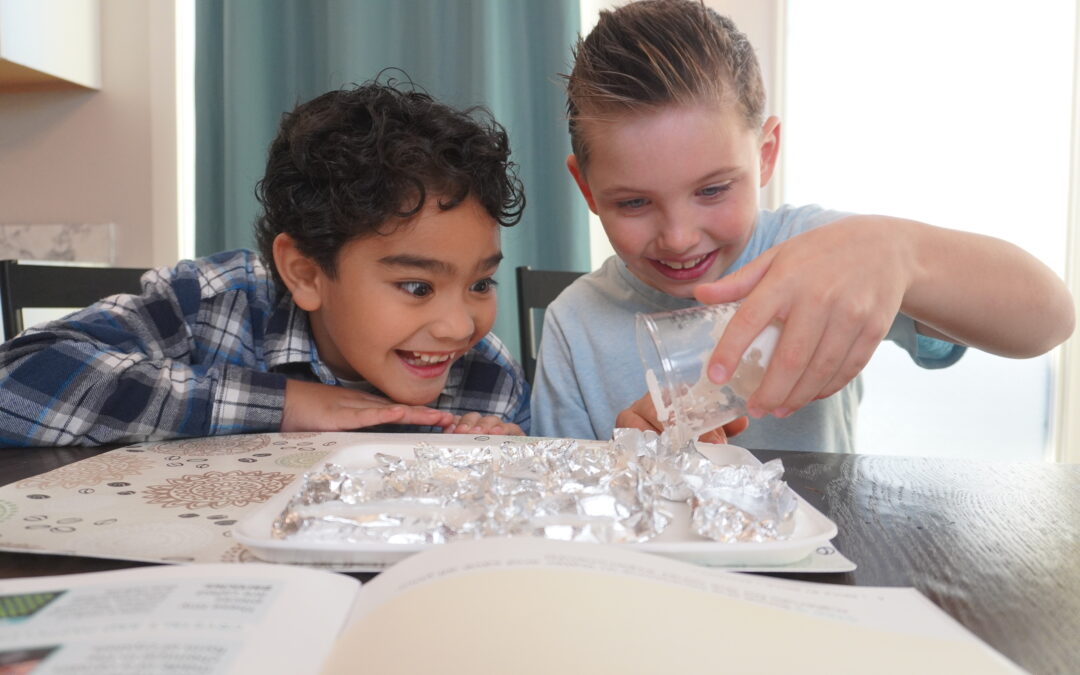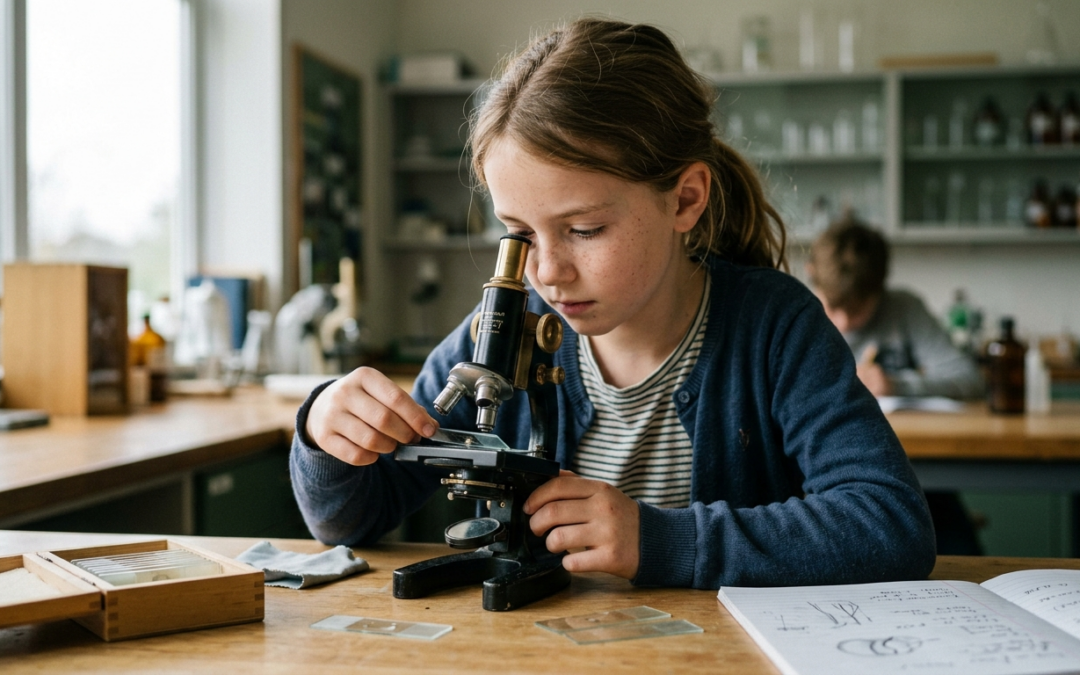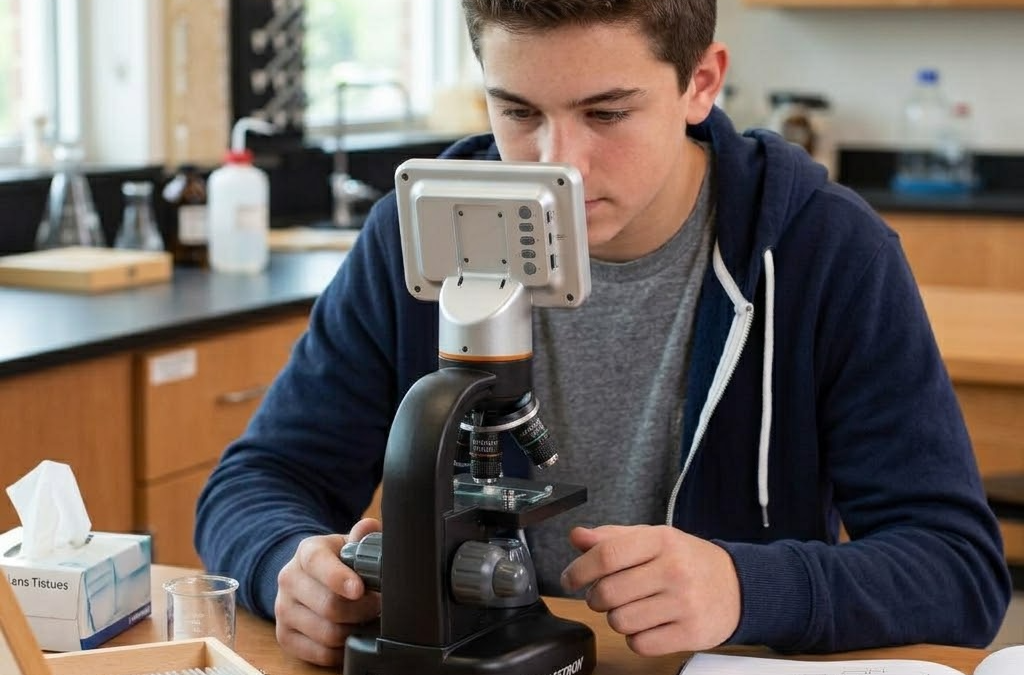
Hands-on learning provides children with a deep understanding of the natural world. Engaging in science experiments for kids allows learners to move beyond textbooks and witness the laws of physics, chemistry, and biology in action. These classic activities serve as memorable DIY projects for curious minds of all ages. When paired with additional scientific research, many of these concepts can be expanded into impressive science projects for kids for elementary, middle, or high school science fairs.
With high-quality supplies and professional science kits, students can transform a simple kitchen or classroom into a functioning laboratory. Whether the goal is to explore chemical reactions using household ingredients like baking soda and food coloring or to build complex electrical circuits, these projects are designed to inspire curiosity and hone critical thinking skills.
Exploring Popular Science Projects
The following experiments offer a wide variety of fun, simple ways to explore scientific principles. For younger students, easy projects like making lava lamps offer immediate visual rewards. For more advanced learners, these same activities serve as a springboard for discussing complex topics such as polymers, density, and thermodynamics.
How To Make Slime
Slime is a classic introduction to chemistry. A chemical reaction takes place when a borate ion (found in substances like contact lens solution or borax) is mixed with a glue solution. This creates a non-Newtonian fluid: a substance that acts like both a solid and a liquid. It is an excellent way to demonstrate how molecules can link together to form polymers.
How To Build A Solar Oven
Using the power of the sun provides a practical lesson in renewable energy. A solar oven uses reflective surfaces to concentrate sunlight into a localized area, converting light energy into heat. This project demonstrates principles of insulation and the greenhouse effect while resulting in a functional tool for melting s’mores or warming snacks.
How To Make Super Bubbles
While standard bubbles are fleeting, “super bubbles” use glycerin or corn syrup to strengthen the soap film. This project explores surface tension and the molecular structure of water and soap, showing how additives can change the physical properties of a liquid.
How to Build a Solar Car
Engineering and environmental science intersect in the construction of a solar-powered vehicle. Students directly observe light energy transforming into mechanical energy by using a small photovoltaic cell to power a motor. This is a foundational project for understanding how sustainable technology can power transportation.
Build a Balloon Rocket Car
This experiment focuses on Newton’s Third Law of Motion: for every action, there is an equal and opposite reaction. As air escapes the balloon in one direction, the car is propelled in the other. It is a simple yet effective way to visualize thrust and friction.
How To Make a Colorful Bouncy Ball
Similar to slime, making a bouncy ball involves creating a polymer. Changing the ratio of ingredients, the resulting substance becomes much firmer. This highlights how slight variations in a chemical “recipe” can lead to drastically different physical outcomes.
Electroplating a Copper-Plated Key
Electrochemistry comes to life when using a battery and a copper solution to coat a metal object. This process, known as electroplating, demonstrates how electricity can move atoms from one place to another.
Egg In A Bottle Trick
Air pressure is an invisible but powerful force. The internal air pressure within a glass bottle decreases when a temperature differential is established. The higher atmospheric pressure outside then pushes a hard-boiled egg through the narrow neck of the bottle, providing a dramatic visual of gas laws.
Make A Homemade Galvanometer
A galvanometer is a device used to detect small electric currents. Students can see how electricity creates a magnetic field by wrapping wire around a compass. This project is for anyone interested in the relationship between magnetism and electricity.
How To Make A Heart Pump Science Project
This biological model uses balloons and jars to simulate the valves and chambers of a human heart. It provides a tactile way to understand how pressure allows the heart to move blood throughout the body, making abstract anatomy concepts much clearer.
How To Make A Mini Hot Air Balloon
Thermal expansion is the key to flight in this experiment. As the air inside a lightweight bag is heated, it becomes less dense than the surrounding cool air, causing the bag to rise. It is a beautiful demonstration of the relationship between temperature and density.
How To Make A Homemade Lava Lamp
Mixing oil, water, and effervescent tablets, students can create a mesmerizing display. The experiment focuses on liquid density and polarity, explaining why oil and water do not mix. The carbon dioxide bubbles show how gas can transport denser liquids to the surface.
Liquid Density Experiments
This involves layering different liquids, such as honey, dish soap, and vegetable oil, in a single cylinder. It creates a “density tower,” allowing students to visualize how substances with more mass per unit of volume settle at the bottom.
Build A Saltwater Circuit
Is water a conductor? Adding salt to distilled water creates an electrolyte solution that allows electricity to flow. This project is a staple among science projects for kids who are beginning to explore physics and chemistry.
Water Purification Science Project
This project simulates how the Earth filters water with layers of sand, gravel, and charcoal. Students can clean “dirty” water. It is a vital lesson in environmental science and the importance of clean water resources.
Build A Simple Motor Science Project
A battery, a magnet, and a coil of copper wire are all that is needed to create a basic homopolar motor. This experiment demonstrates the Lorentz Force and is a foundational activity for understanding how most modern machinery operates.
How to Pin Insects for Display
For students interested in biology and entomology, learning the proper technique for pinning insects is essential. This encourages careful observation of anatomy and helps students understand the vast diversity of the animal kingdom.
Bacteria and Germs Experiments
Using agar plates, students can swab various surfaces to identify which invisible microbes are present. This experiment teaches the importance of hygiene and provides a fascinating, if sometimes surprising, look at microbiology.
Encouraging a Lifelong Love of Learning
Engaging in science experiments for kids is about more than just the result; it is about the process of discovery. These activities are designed to be easy to complete, yet they provide the framework for complex scientific inquiry. When students take the time to document their findings and vary their variables, they are practicing the scientific method used by professionals worldwide.
Between common grocery store items and specialized equipment, everything needed to conduct these experiments is easily accessible. Whether a student is making their first batch of slime or building a complex saltwater circuit, the goal is to inspire a sense of wonder that lasts long after the experiment is finished.
For those ready to dive deeper into the world of discovery, Home Science Tools provides everything necessary to turn a home into a world-class laboratory. From specialized science kits that include all the required materials to high-grade lab equipment and individual chemicals, our tools help bridge the gap between curiosity and mastery. Explore our wide selection of products to find the perfect resources for your next set of science experiments for kids.