A thoughtfully planned Physics Curriculum can change how science is experienced at home. Instead of relying only on textbooks and abstract explanations, learning becomes something active and engaging. Concepts take shape through observation, simple experiments, and consistent practice. Here at Home Science Tools, the focus is on helping families create meaningful learning moments that build curiosity and confidence over time.
Physics explains the patterns behind everyday life. Motion, energy, light, and electricity are not general ideas but part of daily experiences. A well-organized curriculum introduces these topics gradually, allowing understanding to grow naturally and steadily.
Why Structure Matters in Homeschool Physics
Structure provides direction while still allowing flexibility. In a homeschool environment, this balance is especially valuable. Lessons can move at a comfortable pace while still covering essential concepts in a logical order.
A strong Physics Curriculum often includes:
- Core topics such as motion, forces, energy, and waves
- Lessons that build on one another over time
- Regular opportunities to review and reflect
- Clear connections to real-world examples
This type of structure helps learners feel grounded. Each new idea connects to something already understood, making progress feel steady and achievable.
The Value of Hands-On Learning
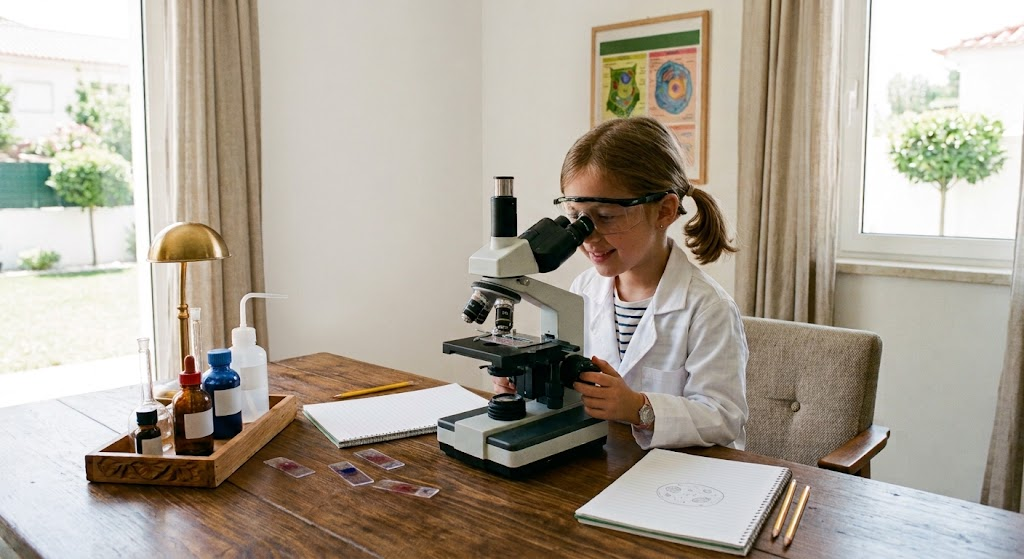
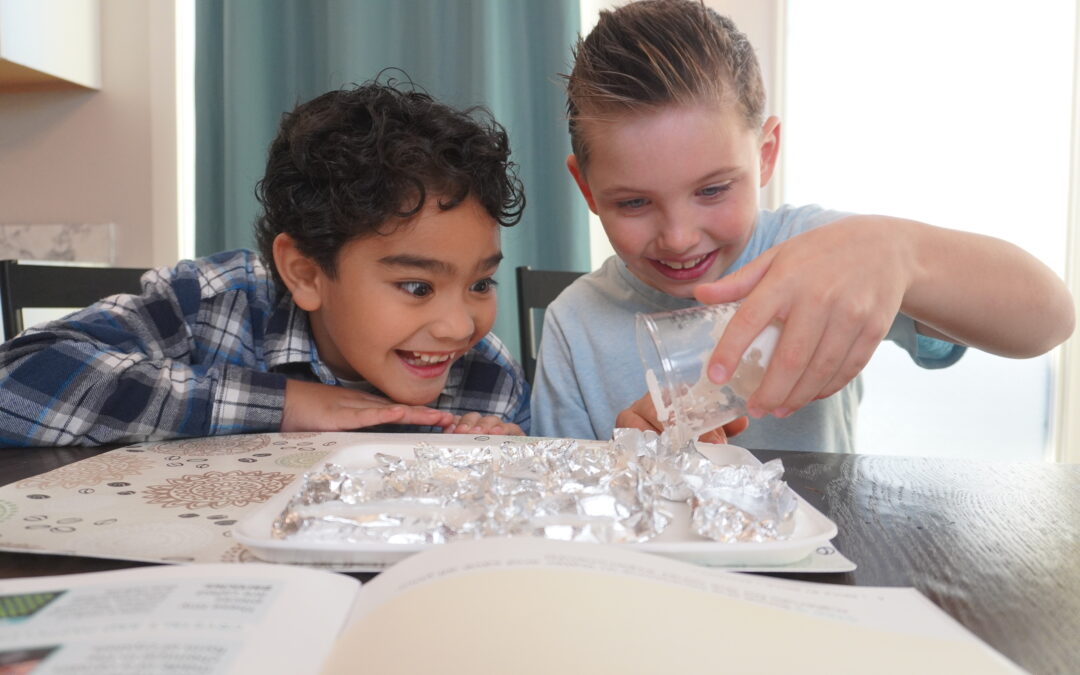
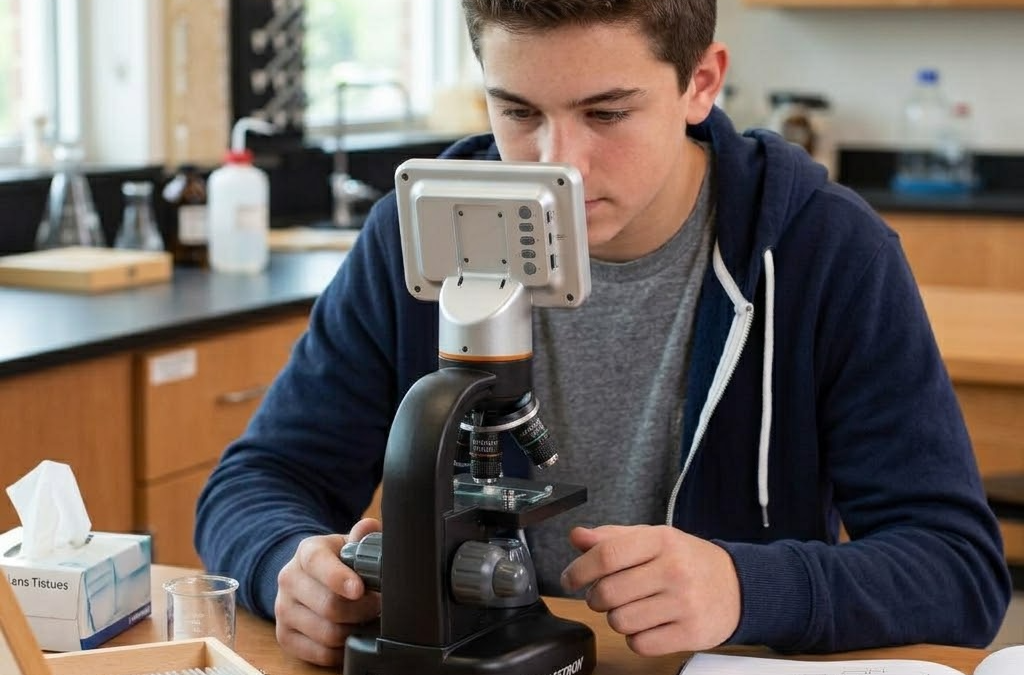
Physics becomes much easier to understand when it can be seen and experienced. Hands-on activities allow abstract ideas to turn into something concrete. Instead of memorizing information, learners interact with it.
Why Experiments Make a Difference
- Direct experience makes concepts easier to remember
- Curiosity grows through active participation
- Problem-solving skills develop more naturally
- Confidence increases with each successful experiment
Our team at Home Science Tools places strong emphasis on this kind of learning. Lab kits designed for homeschool use make it possible to explore physics in a safe, structured way, without unnecessary complexity.
Choosing the Right Lab Kits
Having the right materials can make a noticeable difference in how lessons unfold. Lab kits simplify preparation and ensure that each activity connects to the topic being studied. Here is what makes a lab kit effective:
- Materials that match specific lessons
- Clear and easy-to-follow instructions
- Durable components that can be reused
- A strong focus on safety for home environments
Our kits reduce much of the uncertainty that can come with planning experiments. More time can then be spent exploring ideas and making connections.
Making Experiments Part of the Routine
Experiments work best when they are part of regular learning, not occasional extras. When included consistently, they help reinforce understanding and keep lessons interesting.
Simple Ways to Include Lab Work
- Start a lesson with a short demonstration
- Follow explanations with guided experiments
- Encourage independent exploration after structured activities
- Use results as a starting point for discussion
This approach helps learning feel complete. Concepts are not only introduced but also explored and understood through direct experience.
Adapting to Different Learning Levels
One of the strengths of homeschooling is the ability to adjust learning to fit individual needs. A flexible Physics Curriculum makes it easier to support different ages and skill levels.
Younger learners often begin with observation and simple ideas such as motion and basic forces. As understanding grows, more detailed topics like energy transfer and circuits can be introduced.
Our team at Home Science Tools creates resources that support this progression. Each stage builds on the previous one, helping learners move forward with confidence.
Encouraging a Scientific Mindset
Physics education is not only about learning facts. It also helps develop a way of thinking. Asking questions, testing ideas, and reflecting on results are all part of the process.
A strong learning experience encourages:
- Curiosity and thoughtful questioning
- Making predictions and testing them
- Careful observation and analysis
- Concluding and refining ideas
These habits extend beyond science and support learning in many other areas.
Building Confidence Over Time
Confidence grows through consistent progress. Each experiment completed and each concept understood adds to a sense of achievement.
A well-paced curriculum introduces challenges gradually. This prevents frustration while still encouraging growth. Over time, learners begin to approach new topics with greater ease and curiosity.
Creating a Meaningful Learning Experience
A complete approach to homeschool physics includes more than lessons and activities. It brings together structure, hands-on learning, and reflection in a way that feels connected and purposeful.
Here at Home Science Tools, resources are designed to support this kind of experience. Lab kits and educational materials are created to align with learning goals while keeping science engaging and approachable.
A strong Physics Curriculum can make science feel clear, interesting, and rewarding. When lessons are supported with hands-on experiments, learning becomes more than information. It becomes something that can be explored and understood in a lasting way.
Our team at Home Science Tools remains committed to helping families create these experiences. With the right tools and a thoughtful approach, physics can spark curiosity and build a lasting foundation for future learning.