Science Projects > Physics & Engineering Projects > Sink or Float? A Hands‑On Science Adventure in Density 

Sink or Float? A Hands‑On Science Adventure in Density

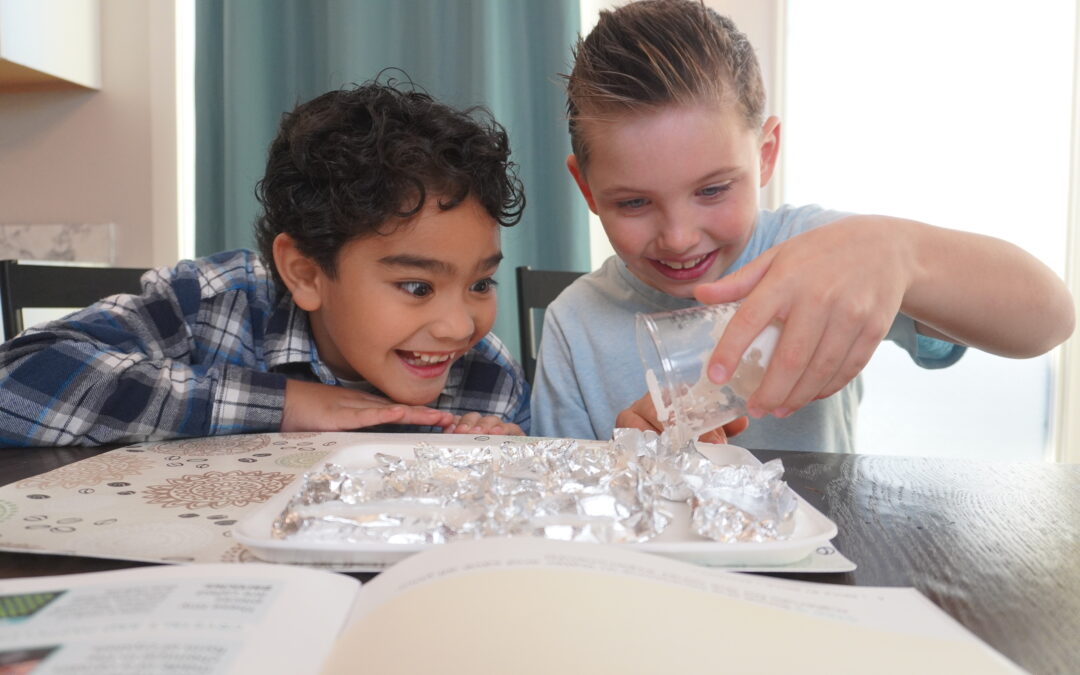
Use the free Sink or Float Worksheet with the “Sink or Float?” science project to encourage kids to make predictions, conduct tests, and record their results! Engage young learners with this classic experiment, a hands-on activity that introduces kids to the concepts of density and buoyancy. This simple yet effective experiment encourages observation, prediction, and critical thinking.
This project is perfect for indoor discovery, especially in colder months! Remember to put a towel under a large container of water for easy clean up. If the weather is nice, try taking the experiment outdoors.

Sink or Float

Take the project further by testing even more objects. You may need to print out multiple copies of the worksheet. Here are some additional ideas of things to test:

  • Rubber duck
  • Tennis ball
  • Bell pepper
  • Banana
  • Empty glass bottle or jar with a lid
  • Plastic water bottle (with or without water)

Discussion Points

  • Density: Explain that objects denser than water will sink, while those less dense will float. What objects did they expect to sink, but actually could float? What objects did they think would float but sank instead?
  • Material Composition: Discuss how the material of an object affects its buoyancy. What objects were hollow or filled with air? Did that make a difference? For example, a hollow plastic bottle may float due to trapped air, while a solid metal spoon sinks because it is denser than water.
  • Surface Area: Larger surface areas can distribute weight more evenly, aiding flotation.

Explore Further with Sink or Float Fun

We hope you enjoy the Sink or Float Worksheet! For more information on density, buoyancy, and the properties of water, check out our “Learn About Water” Science Lesson. Additionally, you might even try experimenting with different temperatures or salt levels next. For instance, did you know objects float more easily in salty water like the Dead Sea? These variations can spark deeper curiosity and discoveries!

Teaching Homeschool

Welcome! After you finish this article, we invite you to read other articles to assist you in teaching science at home on the Resource Center, which consists of hundreds of free science articles!

Shop for Science Supplies!

Home Science Tools offers a wide variety of science products and kits. Find affordable beakers, dissection supplies, chemicals, microscopes, and everything else you need to teach science for all ages!

Related Articles

Making Science Fun with Outdoor Toys for Kids

Making Science Fun with Outdoor Toys for Kids

Childhood is filled with questions, discoveries, and small moments that shape how the world is understood. Around the age of four, curiosity becomes more intentional. There is a growing interest in how things work, what things are made of, and why nature behaves the...

What Makes Science Instruction Actually Stick? 

What Makes Science Instruction Actually Stick? 

The Case for Hands-On, Phenomenon-Based Learning in K–12 Science  Home Science Tools | Summer of Success Series You already know the research on hands-on science exists. Chances are, you've cited it yourself in a curriculum proposal, a professional...

Guiding Thinking, Not Managing Chaos 

Guiding Thinking, Not Managing Chaos 

How One Extended Learning Program Transformed What Science Instruction Looks Like  Home Science Tools | Summer of Success Series  There is a version of after-school science that most programs know well: a facilitator who is doing their best, working from a...

When After-School Science Works: Lessons from the Field

When After-School Science Works: Lessons from the Field

Home Science Tools | Summer of Success Series Out-of-school time programs occupy a position in a student's educational life that is genuinely different from the regular school day — not supplementary to it, but distinct from it in ways that matter for how...

should I learn computer coding