
The science behind backpacks is pretty amazing when you stop to think about it. Every day, millions of people carry backpacks without tipping over, and that’s not just luck. It’s physics, biology, and smart design all working together.
Let’s take a look at what’s really going on when you sling on a backpack and walk away without falling flat.
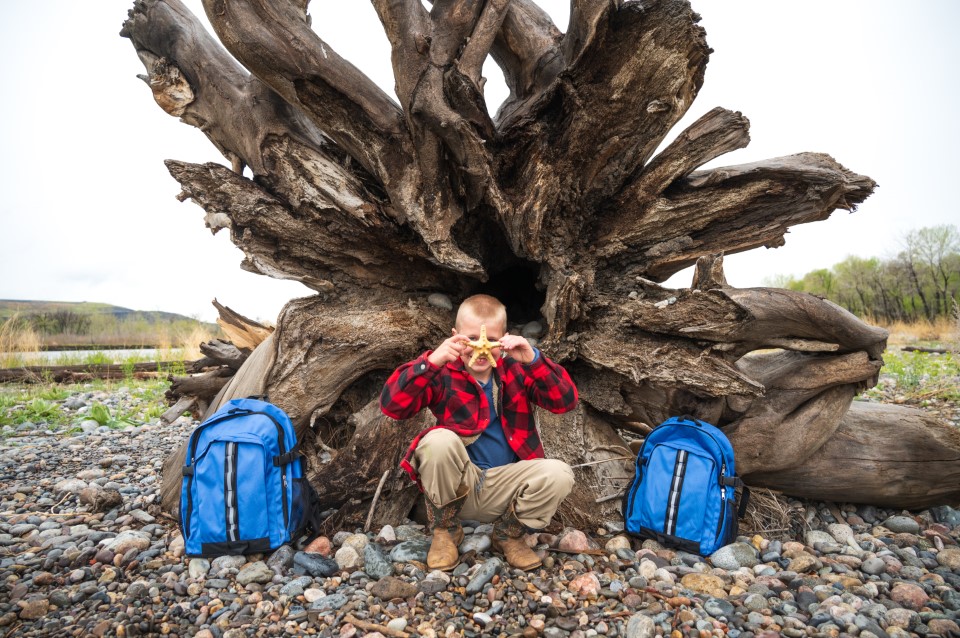
Balance Starts with Your Center of Gravity
When you wear a backpack, you’re adding weight to your body, but you’re also shifting your center of gravity, which is the point where your body’s mass is centered. To stay upright, your body automatically leans forward just a bit to keep the center aligned over your feet. It’s subtle, but it’s what keeps you from feeling like you’ll tip backward.
The science behind backpacks is really a science of balance and constant micro-adjustments.
The Science Behind Backpacks and Body Mechanics
There’s also something called proprioception, which is your brain’s way of sensing where your body is in space. The moment you add a backpack, your body detects the change and adjusts your posture, movement, and muscle engagement to keep you steady.
Muscles in your core, legs, and back instantly activate to support the extra weight. When you fit your backpack well and avoid overloading it, this process happens so naturally that you hardly notice it.

The Science Behind Backpacks: Why Fit and Weight Matter
Not all backpacks are created equal. The best ones distribute weight evenly across your back and shoulders, often with padded straps and sometimes a waist belt to help shift weight to stronger muscle groups like your hips.
If a backpack is too heavy, worn on one shoulder, or sits too low on your back, it throws off your natural balance. That’s when strain, soreness, and long-term issues can creep in, especially for kids with growing bodies.
Tip: Backpacks should weigh no more than 10–15% of a person’s body weight.
What We Can Learn
The science behind backpacks shows us how adaptable and responsive the human body is. From posture shifts to muscle coordination, your body makes carrying weight look easy. But the right backpack (and the right way to wear it) makes all the difference.
So, the next time you put one on, take a second to appreciate the science that keeps you upright.
Want to learn more about science in everyday life? Keep exploring with us at Home Science Tools!