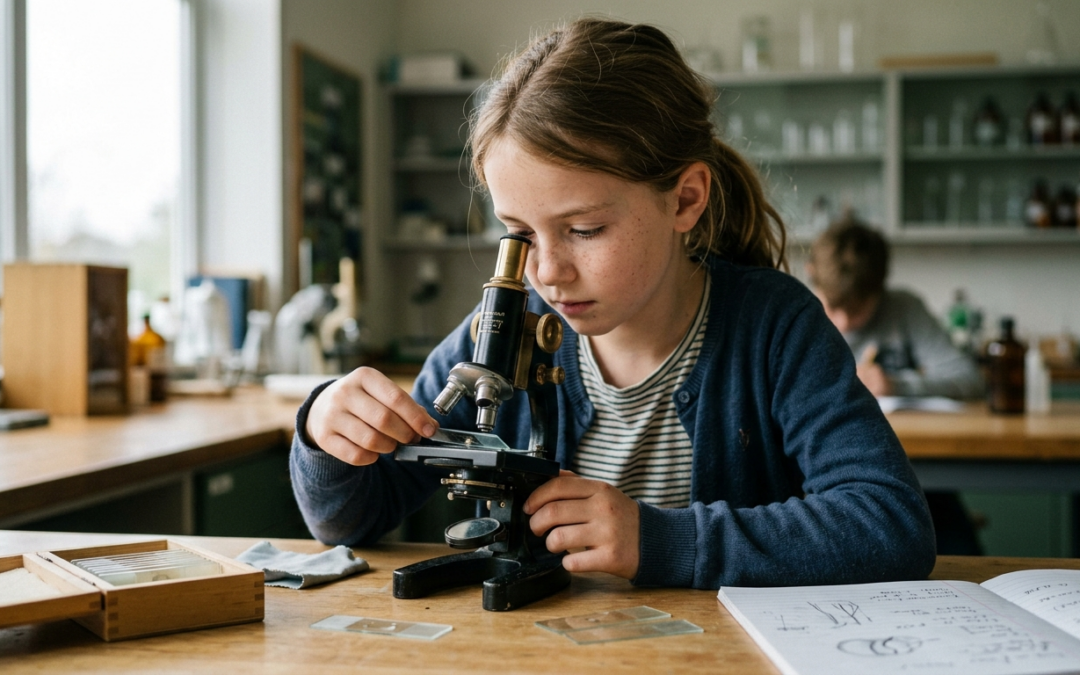
The journey of scientific discovery often begins with a single moment of wonder. For children and adolescents, the ability to see the intricate details of a honeybee’s wing or the complex cellular structure of a leaf can spark a lifelong passion for the STEM fields.
In the context of science homeschooling and supplemental education, advanced tools are essential for maintaining engagement. The digital microscope stands out as a transformative instrument that bridges the gap between traditional observation and modern technology.
The Evolution of Microscopy in the Home Classroom
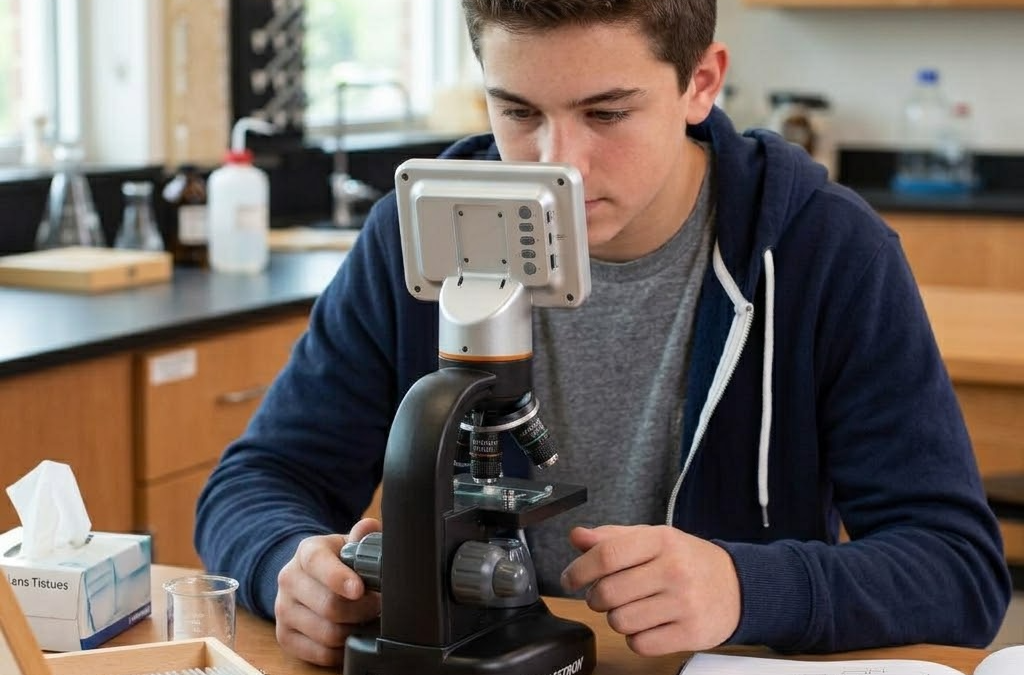
Traditional microscopes have long been the standard for biological study. However, the move toward a digital microscope represents a significant leap in accessibility and functionality. Unlike standard optical versions, these devices feature built-in cameras that translate microscopic views into digital data. This technology allows for a shared learning experience, which is often difficult to achieve with a single eyepiece.
Students can simultaneously observe a specimen by projecting live images onto a computer monitor or a large screen. This collaborative environment encourages discussion, collective problem-solving, and a more interactive approach to science. In a home setting, parents and siblings can join the exploration, making science a family endeavor rather than a solitary task.
Key Advantages of Digital Technology
The shift to digital platforms offers several practical benefits that enhance the educational value of every lesson:
- Enhanced Ergonomics: Users no longer need to strain their eyes or necks leaning over an eyepiece. Viewing specimens on a high-resolution screen is more comfortable, allowing for longer study sessions without fatigue.
- Precision and Clarity: Digital systems often make it easier to find, center, and focus on objects of interest. The high-resolution sensors ensure that even minute structures are visible with impressive contrast and color fidelity.
- Ease of Documentation: One of the most powerful features is the ability to capture still images and video. This allows students to document their findings, track changes over time, and build a digital portfolio of their work.
- Advanced Software Capabilities: Modern imaging software provides tools to count cells, zoom in on specific areas, and even create time-lapse videos. These features introduce young learners to the types of data analysis used in professional laboratories.
Stimulating Curiosity Outside the Classroom
Science is not confined to the pages of a textbook or the walls of a school. Some of the most profound learning experiences happen in the backyard, at a local park, or by a pond. A digital microscope serves as a portable window into these hidden worlds. When students realize they can take a sample from their own environment and see it magnified hundreds of times on a screen, the world becomes a vast, living laboratory.
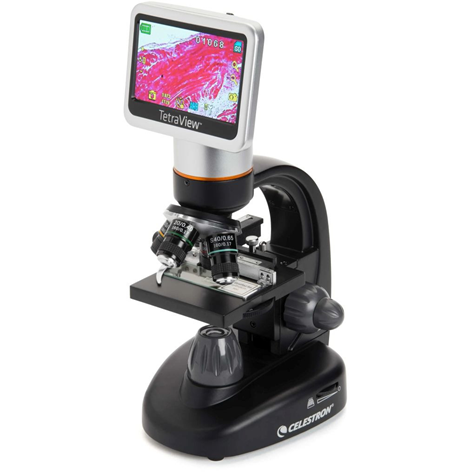
For adolescents who are already comfortable with digital interfaces, this technology feels intuitive. It aligns with their existing skills in photography and video editing, turning a science project into a creative multimedia production. The ability to email images of a field of view or create detailed microscopy reports empowers students to take ownership of their research.
Versatility Through Digital Cameras and Specialized Models
Not every home laboratory requires a completely new setup. For those who already possess a high-quality compound or stereo microscope, digital cameras offer a flexible and affordable upgrade. These cameras attach directly to the eyepiece, instantly converting a traditional instrument into a digital powerhouse.
High-speed cameras, such as 2-megapixel or 5-megapixel models, provide stunning 1080p or higher resolutions. These kits often include calibration slides and adapters, ensuring a seamless transition to microphotography. Whether using a dedicated handheld device for field research or a sophisticated stereo zoom microscope for detailed dissections, the digital component ensures that every discovery is preserved.
Building a Foundation for Future Careers
When introducing students to a digital microscope, educators are doing more than teaching biology; they are building technical literacy. Learning to calibrate a digital sensor, manage imaging software, and analyze visual data are skills that transfer directly to careers in medicine, engineering, and environmental science.
The positive reinforcement provided by clear, vibrant images helps maintain a student’s interest during more challenging lessons. When the “unseen” becomes visible and documented, the abstract concepts of science become a tangible reality. This engagement is the key to fostering a generation of innovators who are not afraid to look closer and ask “why?”
Discover a New World with Home Science Tools
Here at Home Science Tools, we’re dedicated to providing the high-quality equipment necessary to inspire the next generation of scientists. From the microscope for kids LED model, ideal for early learners, to professional-grade digital stereo zoom microscopes, the selection caters to every stage of educational development.
Our digital microscope collection ensures that clarity, contrast, and precision are always within reach. Beyond the hardware, the available imaging software and digital cameras allow for a fully immersive scientific experience.
To explore the full range of microscopy solutions and find the perfect fit for a home classroom or a burgeoning young researcher, explore our website today and start a new chapter of discovery.