Teaching Resources & Guides
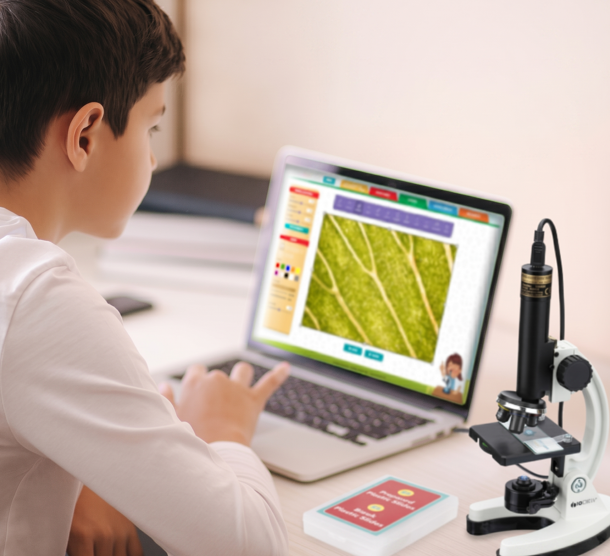
Science often becomes more exciting when children can see tiny details with their own eyes. A microscope turns ordinary objects into fascinating discoveries, helping young learners explore cells, insects, crystals, fabrics, and plant structures in close detail. At...
Teaching Resources & Guides
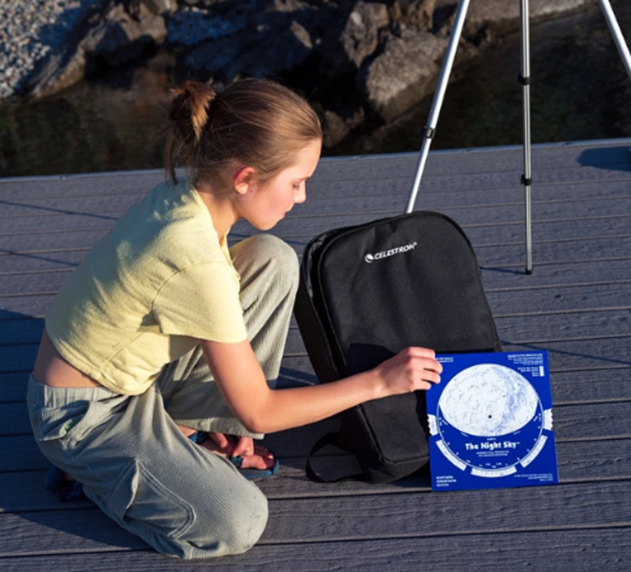
A telescope for kids introduces astronomy through direct observation and simple experiments. It supports curiosity about stars, planets, and distant objects while building patience and focus. At Home Science Tools, our goal is to connect scientific ideas...
Teaching Resources & Guides
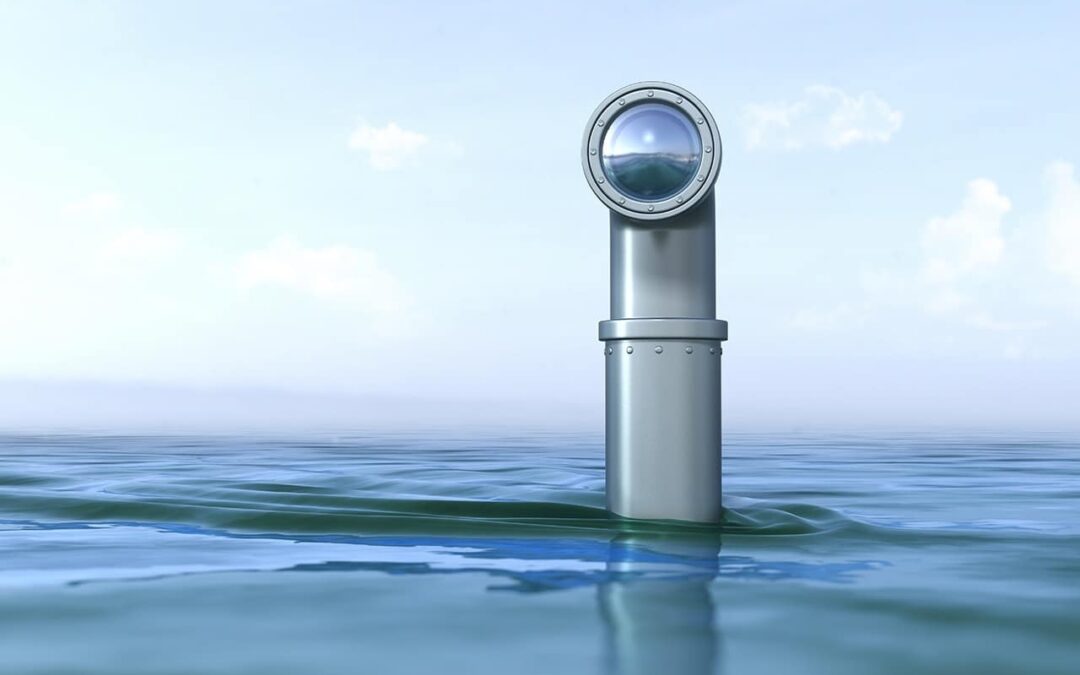
This DIY periscope experiment helps students understand how light works by giving them something they can actually use. Some science concepts make more sense when students can interact with them directly. With Science Unlocked® full-year curriculum, they build tools...
Teaching Resources & Guides
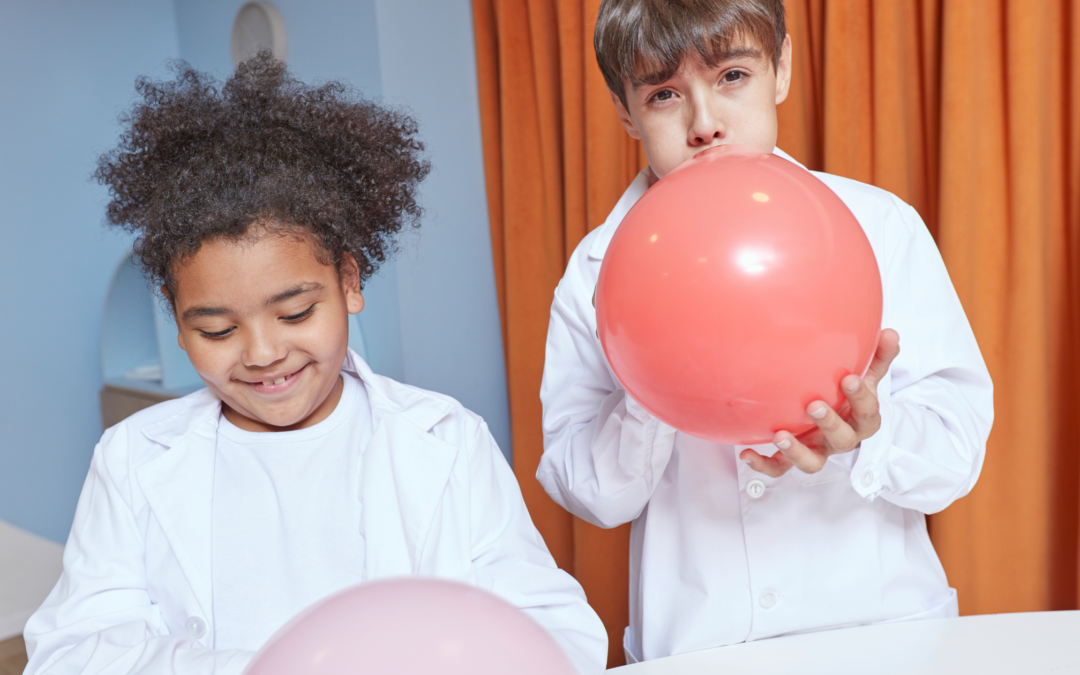
In this balloon reaction experiment, students test how changing the amount of baking soda affects how much each balloon inflates. This experiment is part of a Science Unlocked® curriculum, which leads students to observe reactions and test how different amounts...
Teaching Resources & Guides
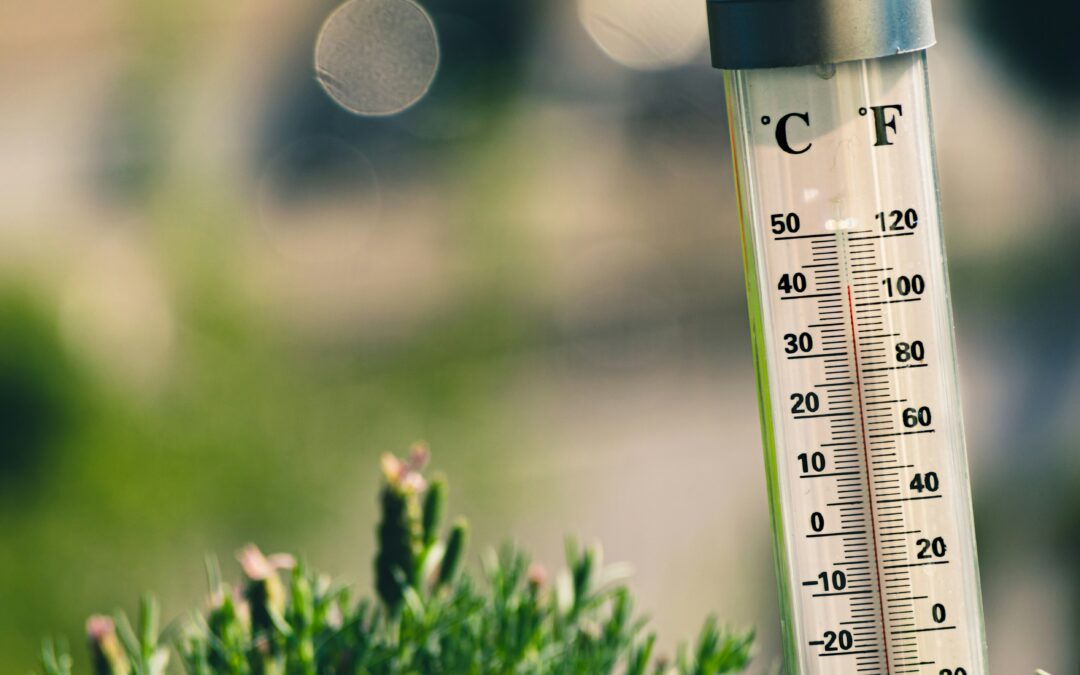
With this fun, hands-on DIY thermometer experiment, students move beyond experiencing temperature every day to understanding how temperature actually works. With this experiment from Science Unlocked®, students build tools that let them see temperature change in real...
Teaching Resources & Guides
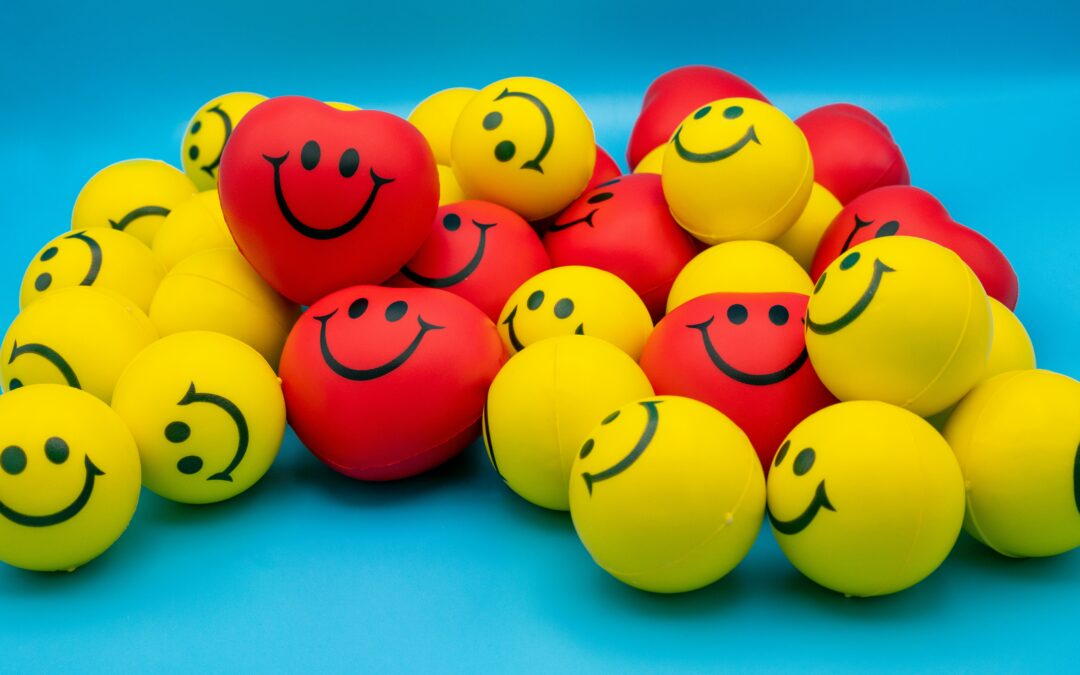
The stress ball science experiment is a hands-on, fun yet educational way for students to explore physical properties through real design and testing. This activity is one example of how Science Unlocked® turns everyday materials into meaningful science learning. ...