For students who love animals, exploring veterinary science can feel like the start of a dream career path. But veterinary work is more than cuddling puppies or caring for pets. It is fast-moving, deeply scientific, and filled with high-stakes decisions that require technical skills and compassion under pressure.
Veterinary medicine is one of the most competitive career paths a student can pursue. Admission to veterinary school requires years of preparation and strong science coursework. Yet, for students drawn to both science and animal care, these types of careers are extremely rewarding.

Many students never get to see what veterinary work actually looks like day to day. From diagnosing illness to responding to emergencies, veterinary medicine involves far more science, skill, and problem-solving than most people realize.
Let’s take a closer look.
Health Assessments: More Than a Checkup
When an animal arrives at a veterinary clinic, the team begins by gathering information carefully and systematically. This process is called a health assessment, and it forms the foundation for everything that follows.
At the center of every assessment is a physical examination. A veterinary technician or veterinarian works from head to tail, checking the eyes, ears, nose, gum color, coat condition, and body weight relative to the animal’s frame. This measurement is called a body condition score.
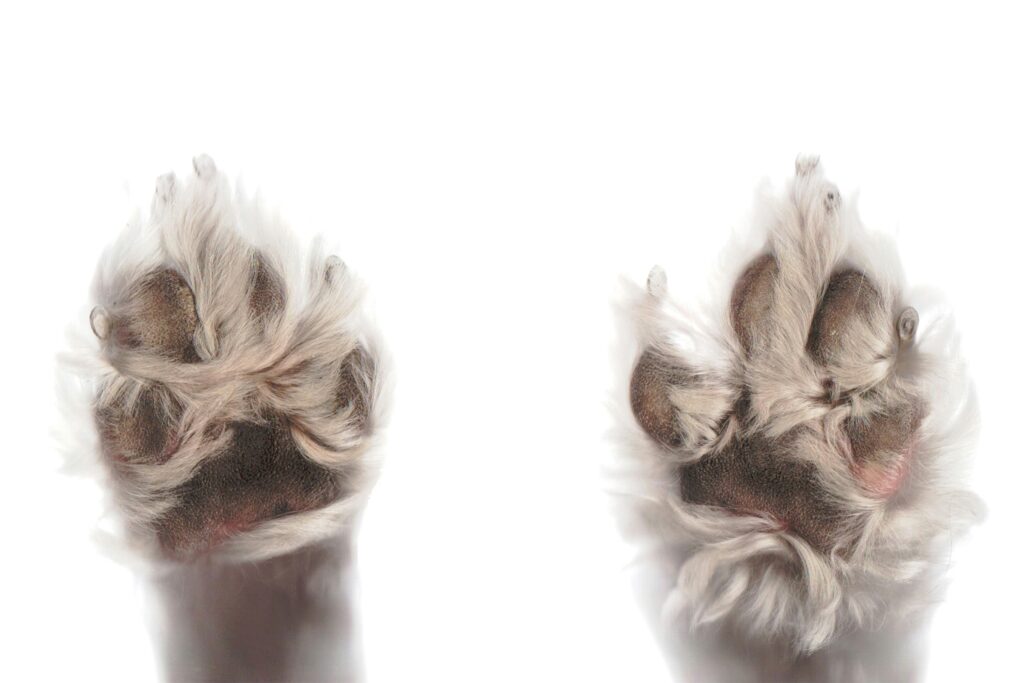
They may check for enlarged lymph nodes, examine the abdomen for tenderness or masses, and inspect each limb down to the paws.
Two important examination techniques are palpation and auscultation.
Palpation means using the hands to feel beneath the surface of the body. Veterinarians use palpation to detect swelling, lumps, asymmetry, or areas where an animal shows discomfort.
Auscultation means listening to sounds inside the body with a stethoscope. To a trained ear, those sounds tell a story. A steady heartbeat, fluid in the lungs, or an abnormal heart murmur can all reveal clues hidden beneath the surface.
Try it yourself! Place a stethoscope against your own chest, slightly left of center. You should hear a steady lub-dub rhythm. Now move the stethoscope to your upper back and take a slow, deep breath. The rushing sound you hear is air moving through your airways. This is the same technique veterinarians use to examine heart and lung sounds in animals. The anatomy may differ, but the scientific skill is the same.
Veterinary Diagnostic Imaging: Seeing What the Eye Cannot
Some of the most important findings in veterinary medicine are invisible from the outside. A broken bone, swallowed object, internal bleeding, or fluid around the heart cannot always be detected through touch alone.
That is where diagnostic imaging becomes essential.
Veterinary professionals commonly use radiographs (X-rays), CT scans, and ultrasound technology to look inside the body. Each tool provides a different type of information.
X-Rays
X-rays work by sending high-energy waves through the body to create an image of what is happening beneath the surface. Dense materials like bone block more radiation and appear lighter on the image, while air appears darker. Soft tissues show up in shades of gray. Reading an X-ray requires recognizing what healthy anatomy should look like, so abnormalities stand out quickly.
CT Scans
CT scans also use X-rays, but in a more advanced way. Instead of taking one image, the scanner rotates around the patient and captures images from many different angles. A computer combines those images into a detailed three-dimensional view of the body. CT scans are especially useful for complex injuries, spinal problems, and surgical planning.
Ultrasound
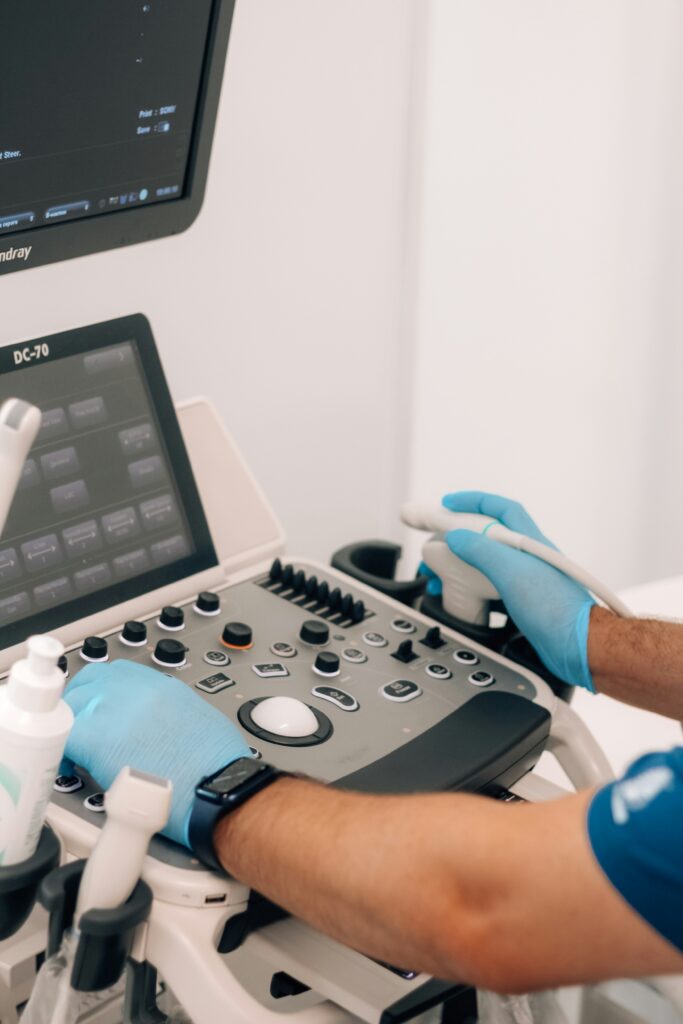
Ultrasound works differently from both x-rays and CT scans. Instead of radiation, it uses high-frequency sound waves. As sound waves bounce off tissues inside the body, the machine creates a live image based on those reflections. Ultrasound is especially useful for viewing soft tissues, monitoring pregnancy, and observing the heart in motion. Veterinarians can even watch heart valves open and close in real time while tracking how blood moves through the chambers.
Emergency Triage: Making Fast Decisions Under Pressure
In an emergency clinic, decisions sometimes have to be made in seconds —
A struggling puppy is carried through the door.
A cat is suddenly unable to breathe normally.
A dog is too weak to stand.
Before treatment begins, the veterinary team must quickly determine which animals need immediate care and which are stable enough to wait. This process is called triage.
Triage depends on recognizing a few critical indicators very quickly.
Is the animal breathing normally, or struggling for air? Are the gums a healthy pale pink, or are they white, gray, or blue? Is the patient alert and responsive, or limp and unresponsive?
These observations help the veterinary team quickly determine how stable the animal is and how urgently treatment is needed.
One of the most challenging parts of veterinary medicine is learning that some emergencies look dramatic but are not immediately life-threatening, while others appear mild but require urgent intervention.
Recognizing the difference takes scientific knowledge, observation skills, and experience.
Animal Wellness: Beyond the Absence of Disease
For many years, animal health was defined simply as the absence of illness. Today, veterinary medicine takes a much broader view.
Modern veterinary science recognizes that physical and behavioral health are deeply connected. Animals living under chronic stress can experience measurable physical effects, including weakened immune function, digestive disruption, inflammation, and elevated stress hormones like cortisol. Stress can affect the entire body. That is why enrichment plays such an important role in animal wellness.
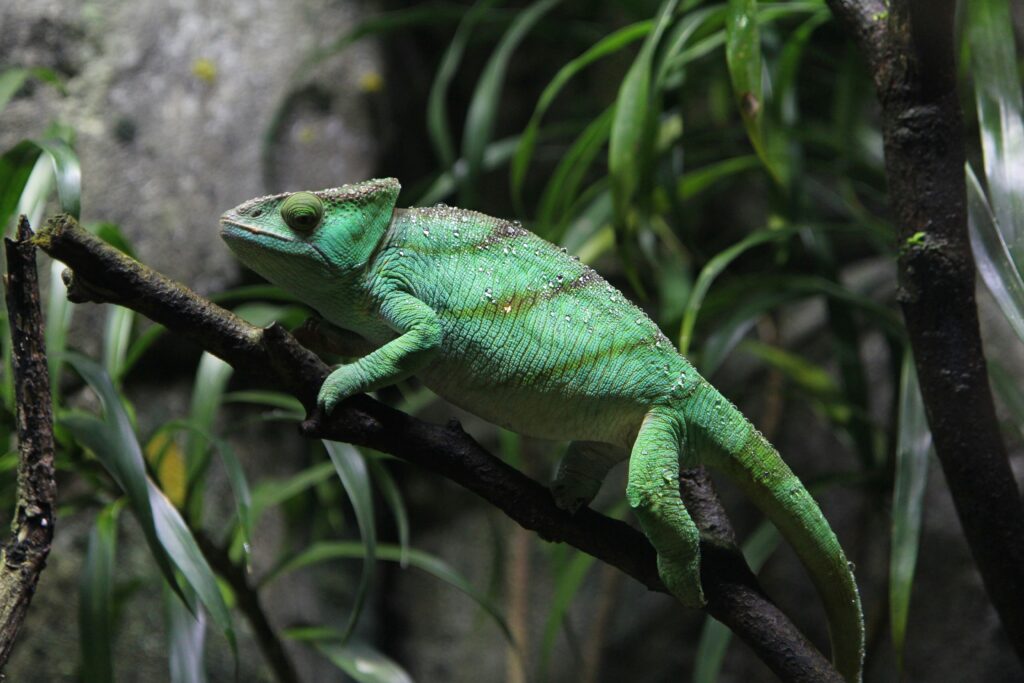
Enrichment means providing animals with opportunities to engage in natural, species-appropriate behaviors. For dogs, this may include problem-solving games, exercise, or social interaction. For reptiles, it may involve environmental changes that encourage natural exploration and movement.
Veterinary professionals who understand behavioral wellness recognize that what appears to be a behavior problem may actually signal a deeper wellness issue.
Caring for animals means understanding the full picture, not just treating symptoms.
Why Veterinary Science Matters
Reading about veterinary medicine and practicing veterinary medicine are very different experiences.
Learning why a subcutaneous injection is given at a 45-degree angle is one thing, but tenting the skin, positioning the needle, and feeling how the tissue responds is something entirely different.
The same is true for tying surgical knots, using forceps, listening through a stethoscope, or learning how to position imaging equipment correctly.
Veterinary medicine depends on hands-on skills as much as scientific knowledge, and students develop those abilities through repetition and real-world practice.
For students interested in veterinary medicine, animal science, wildlife biology, or zoology, hands-on learning changes everything.
Reading about animal care builds knowledge and practicing real techniques builds confidence. The first time a student hears a heartbeat through a stethoscope or examines an X-ray, science becomes more than information on a page. Sometimes, that is the moment a future career begins.