So… what is a pan trap experiment? Well, you’ll find out in just a second. But first, have you ever noticed bees buzzing around yellow flowers or flies gathering near bright colors outdoors? Many insects rely on color to help them find food and shelter. Scientists study this behavior to better understand pollinators and ecosystems — and one simple tool they use is called a pan trap.
This hands-on pan trap experiment helps students explore insect behavior while practicing observation, data collection, and scientific thinking.
Why Does Color Matter to Insects?
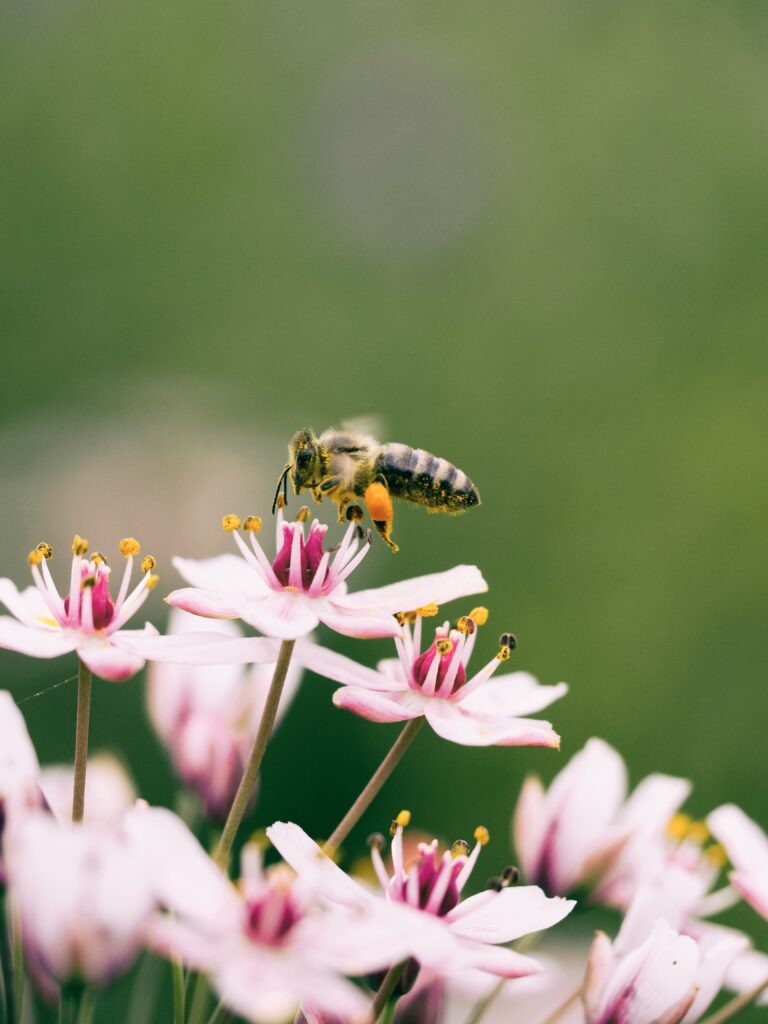
Many insects use color as a visual cue when searching for nectar and pollen. Bright flowers often attract pollinators such as bees, butterflies, beetles, and flies. But not all insects respond to the same colors in the same way. Some pollinators are strongly attracted to yellow, while others respond more to blue or white. By testing different colors, scientists can learn more about insect activity and pollinator populations in a specific environment.
A pan trap is a simple insect collection tool often used in environmental science and pollinator research. It consists of a brightly colored bowl filled with water and a small drop of dish soap. The color attracts insects, and the soap reduces the water’s surface tension, so insects sink instead of floating.
Pan Trap Investigation
So, which color attracts the most insects?
Materials
- 3 bowls in different colors
- Water
- Dish soap
- Notebook or data sheet
Instructions
- Fill each bowl with water.
- Then, add one small drop of dish soap to each bowl.
- Place the bowls outside in the same sunny area. Be sure to space the bowls evenly at ground level.
- Leave the traps out for several hours.
- Finally, count and record the insects collected in each bowl.
As you compare the traps, observe how many insects each color attracts and whether certain insects appear more often in specific bowls. Encourage students to make predictions before beginning the experiment and compare their hypotheses with the results.
Scientists use pan traps like these to monitor pollinator populations, study insect diversity, and better understand ecosystem health. Because different insects respond to different colors, even a simple experiment can help students better understand biodiversity and environmental change.
For the best results, place traps in sunny areas where insects are active, keep bowls at ground level, and check them at consistent times. After the activity, handle insects carefully, dispose of the water responsibly outdoors, and wash hands thoroughly.
Discover More Through Hands-On Science
By testing how insects respond to different colors, students can explore ecosystems, animal behavior, and scientific observation firsthand. Simple investigations like this help turn curiosity into discovery — one observation at a time.