Teaching Resources & Guides > Science Lessons > Water Pollution Prevention 

Water Pollution Prevention

Learn about water pollution prevention in this article. Water pollution is caused when waste materials (including trash, oil, chemicals, or residue from cleaners) enter into a body of water such as a lake, stream, or ocean. About 70% of the earth is covered by water, and all forms of life on earth need water to survive, so water pollution is something that can affect everyone and everything in one way or another.

Just as you would not litter by throwing your trash out of your car window or leaving garbage from a picnic on the ground at the park, it is important to think about ways that we can help with water pollution prevention.

  • Be especially careful to throw away or recycle waste properly when you are near a body of water.
  • Be conservative with water and don’t use more than you need! Can you think of some ways to cut down on how much water you use? Here are a few: don’t run the water while you brush your teeth, take a shorter shower, drink all the water in your water bottle, or else use the extra to water houseplants rather than dumping it out.
  • Use cleaning products that are safe for the environment and be careful not to use more of a product than you need for a particular cleaning job.
  • Buy organic foods. You may know that eating organic foods is better for your body, but did you know that growing things without the use of chemical fertilizer, pesticides, and herbicides is also better for the earth? Those chemicals easily soak into the ground and become part of groundwater that is eventually carried into streams, lakes, rivers, and eventually into oceans. By supporting the organic food industry, we can make a small contribution to the overall well-being of the earth (including water!) by saying no to chemicals used to grow food!
  • Do not flush trash, chemicals, or medications down a sink or toilet.
  • Learn the correct way to dispose of household items. Some things should not be thrown away because they can be harmful to wildlife or even other humans if they are added to a landfill. Items such as household cleaners, paint, and leftover medications can be taken to a treatment or recycling center for proper disposal.

For further study, try these early elementary science projects: Simulate an Oil Spill, its effect on wildlife, and different clean up techniques. Use an empty egg carton to demonstrate how water pollution occurs.
Teaching Homeschool

Welcome! After you finish this article, we invite you to read other articles to assist you in teaching science at home on the Resource Center, which consists of hundreds of free science articles!

Shop for Science Supplies!

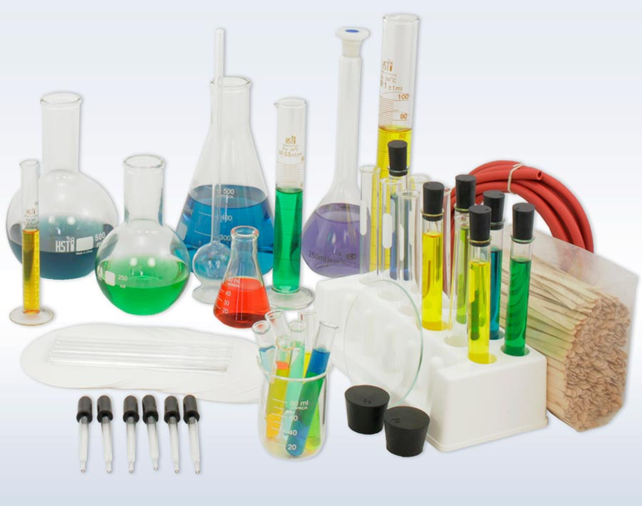
Home Science Tools offers a wide variety of science products and kits. Find affordable beakers, dissection supplies, chemicals, microscopes, and everything else you need to teach science for all ages!

Related Articles

Outdoor Toys For Kids That Inspire Hands-On Science Learning

Outdoor Toys For Kids That Inspire Hands-On Science Learning

Outdoor play creates space for curiosity, movement, and observation. Science becomes more tangible when children interact with the natural world. Here at Home Science Tools, our outdoor toys for kids introduce scientific ideas through direct experience....

Science Kits That Turn Curiosity Into Real Discovery

Science Kits That Turn Curiosity Into Real Discovery

Curiosity grows stronger when it meets action. Here at Home Science Tools, every product is created for learners of all ages. Science kits bring lessons to life through hands-on activities that invite exploration, testing, and discovery. Each box opens the...

Top Science Experiments For Kids: A Guide to Hands-On Discovery

Top Science Experiments For Kids: A Guide to Hands-On Discovery

Hands-on learning provides children with a deep understanding of the natural world. Engaging in science experiments for kids allows learners to move beyond textbooks and witness the laws of physics, chemistry, and biology in action. These classic activities...

Building a Strong Physics Curriculum for Homeschool Success

Building a Strong Physics Curriculum for Homeschool Success

A thoughtfully planned Physics Curriculum can change how science is experienced at home. Instead of relying only on textbooks and abstract explanations, learning becomes something active and engaging. Concepts take shape through observation, simple...

Making Science Fun with Outdoor Toys for Kids

Making Science Fun with Outdoor Toys for Kids

Childhood is filled with questions, discoveries, and small moments that shape how the world is understood. Around the age of four, curiosity becomes more intentional. There is a growing interest in how things work, what things are made of, and why nature behaves the...

should I learn computer coding