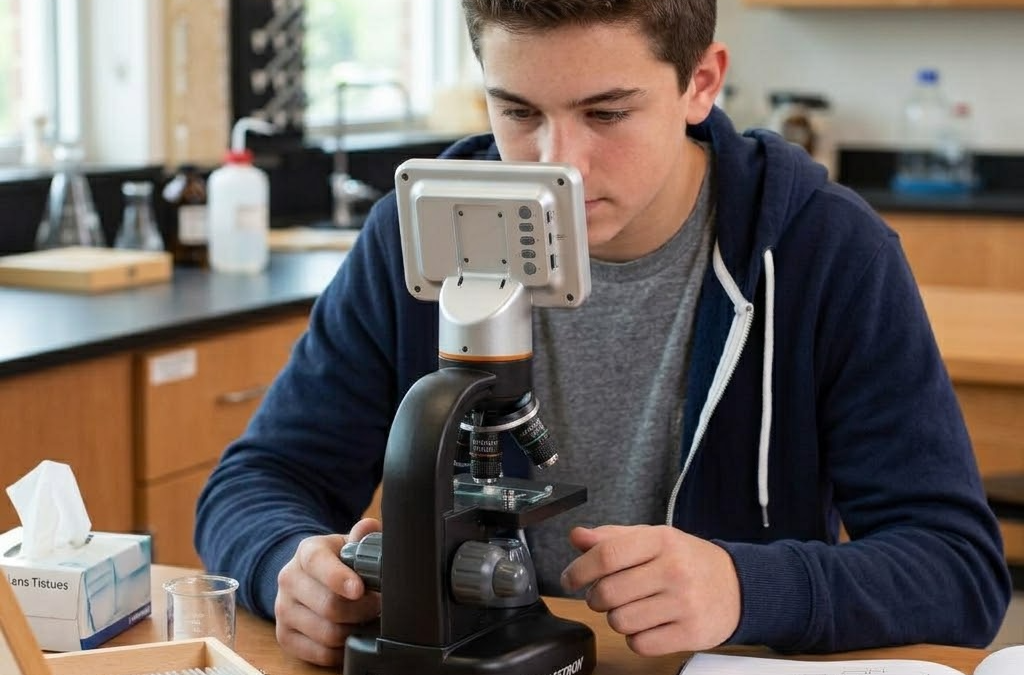
Ever wondered how quicksand actually works? This quicksand science experiment uses simple ingredients like cornstarch and water to mimic the real thing. And this experiment teaches you about non-Newtonian fluids!
Quicksand occurs when the right type of sand becomes supersaturated with water. Sand becomes super-saturated with water when deposited in a hollow with clay or other impermeable material that prevents drainage.
Creating a Quicksand Science Experiment
The sand and water make a soupy mixture that often looks solid on top, but when it is agitated (by being stepped on), it turns into a liquid. This unusual behavior is exactly what you’ll explore in your quicksand science experiment. Typically, the most likely places to find quicksand are along beaches, lakes, rivers, marshes, and swamps because there is a ready supply of water there. However, quicksand can also be formed by underground springs or runoff water from heavy rains.
Making real quicksand can be tricky. The grains of the sand need to be round in shape and the same size. Ordinary playground sand (the type you can buy in a store) rarely meets this standard. Since quicksand is normally found along beaches, marshes, and other wet areas, if you can find sand here, you probably have sand with the right grain type to make quicksand.
A much easier and more dependable way to make ‘quicksand’ is to use cornstarch instead of sand.
What You Need:
- Spoon
- Cornstarch
- Water
- Plastic mixing bowl
Instructions:
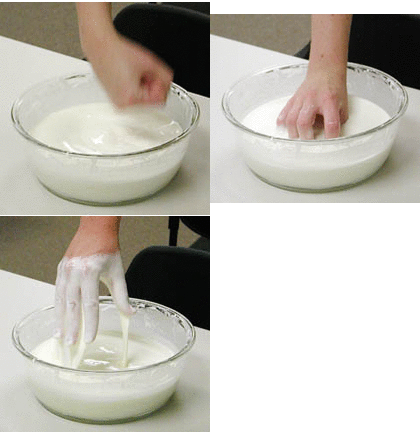 1. In the plastic mixing bowl, combine small amounts of water and cornstarch together to form a mixture that looks like heavy whipping cream and has the consistency of honey. The approximate ratio of the cornstarch-water mixture is 1-1/4 cups of cornstarch to 1 cup of water. If you use a regular-sized box of cornstarch (16 oz), you will use about 1-1/2 to 2 cups of water.
2. After making your mixture, gently lay your hand on the surface of the cornstarch-water mixture. You should notice that your hand sinks in the mixture, like you would expect it to do. Move your hand through the mixture, slowly first and then trying to move it really fast. Was it easier to move your hand slowly or quickly through it?
3. If your mixture is deep enough to submerge your hand in it, grab a handful of the mixture and pull your hand out quickly. Then, try again. This time, relax your hand and pull it out slowly. Did you notice a difference?
4. Finally, punch the cornstarch-water mixture. (Be careful not to hurt yourself on the bowl!) Make sure to hit the substance hard and pull your fist back quickly. Did the substance splatter everywhere, or did it stay put in the bowl? (If it splattered, add more cornstarch.)
What Happened:
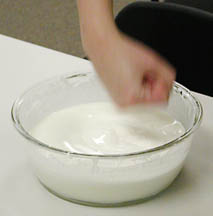
Whenever you gently and slowly moved your hand through the cornstarch-water mixture, it behaved like a liquid. But when you tried to move your hand through it quickly or hit the substance very hard, it behaved like a solid.
Weird, huh?
But the way this cornstarch-water mixture behaves is very similar to how quicksand behaves.
Understanding Viscosity and Fluids
The way that a liquid flows or moves is affected by its viscosity. Quicksand and the cornstarch-water mixture are both non-Newtonian fluids, meaning that their viscosity changes with the type of force applied to it. Unlike quicksand, the viscosity of Newtonian fluids (fluids, such as water and honey, that follow Sir Isaac Newton’s law of viscosity) is dependent only on the temperature and pressure of the fluid, not the force applied to it. For instance, warm honey flows much more freely (less viscous) than cold honey (more viscous).
Since the ability of a non-Newtonian fluid to move depends on the force or stress applied to it, these fluids do not act like ones we are more familiar with (e.g. water). A light pressure, such as pouring or gently pressing the cornstarch-water mixture, allows it to move like a liquid. But a high pressure, such as punching firmly, causes the cornstarch-water mixture to act as a solid. This same principle applies to quicksand. When it is lightly stepped on by the unaware adventurer, the quicksand liquefies and the foot of the adventurer starts to sink. Panicking, the adventurer tries to quickly pull his or her foot out, only to find that now the quicksand is acting like a solid, encasing the foot all the more firmly in this unpredictable substance.
Don’t Panic! How to Escape Quicksand
But don’t worry! Quicksand won’t pull you under like in the movies. Although humans initially sink when they first enter quicksand, they cannot sink all the way (only to about chest deep). This is because humans are less dense than quicksand. In fact, learning how quicksand behaves is part of what makes a quicksand science experiment so fascinating. One way to get out of quicksand is to lie back on it and float, like you would in water. If your foot is stuck in quicksand, gently move it back and forth, adding water along the side of your leg. This will help the quicksand to act more like a liquid and release your foot.
One easy way to play with and learn about non-Newtonian substances is with Thinking Putty from Home Science Tools! It can act like a liquid and a solid. It even exhibits thermochromic properties, meaning its color changes with temperature!