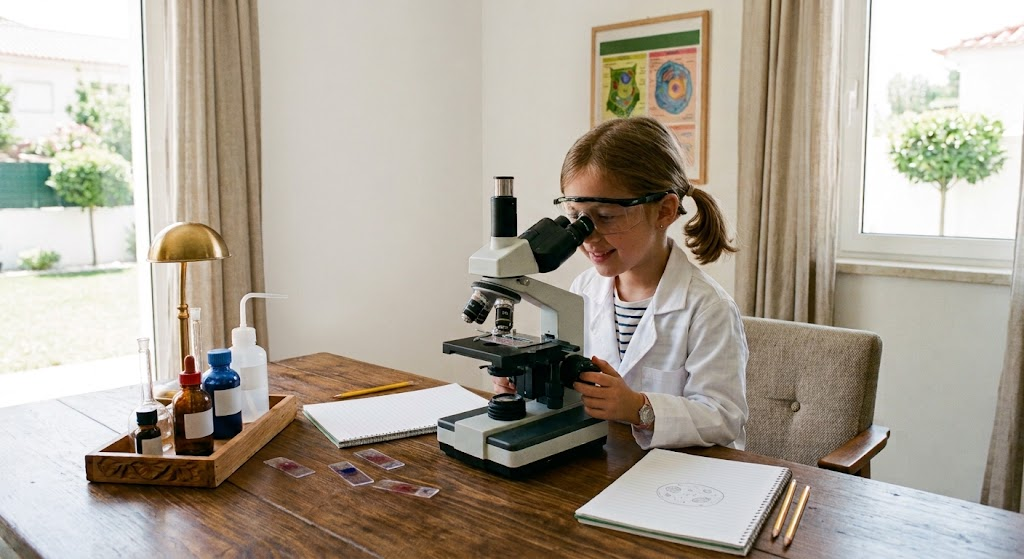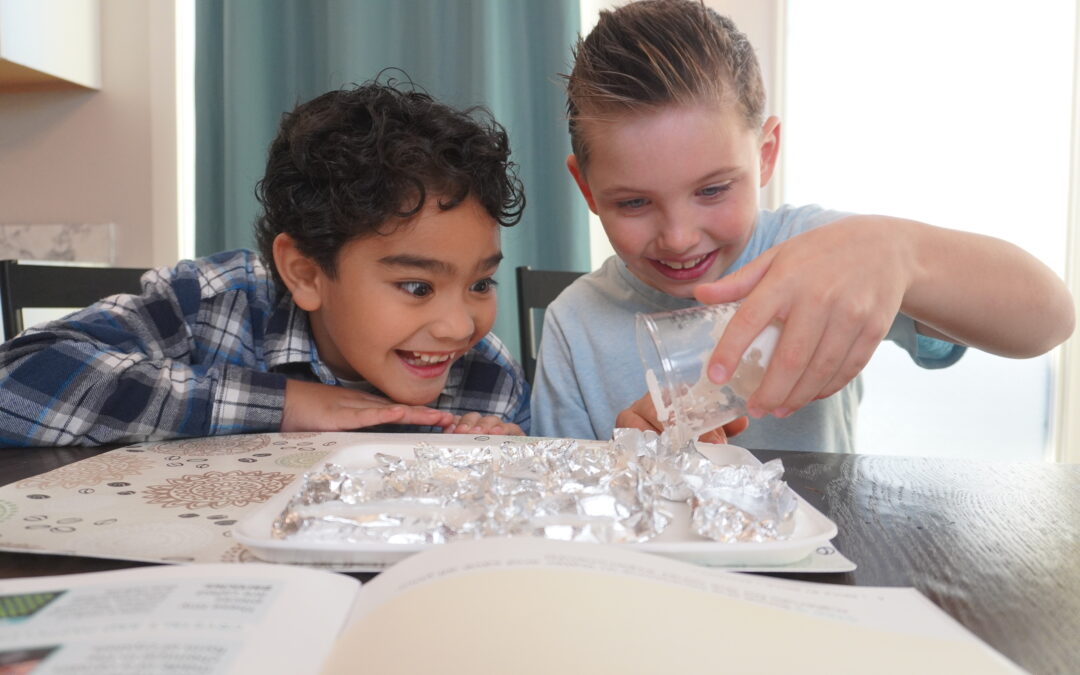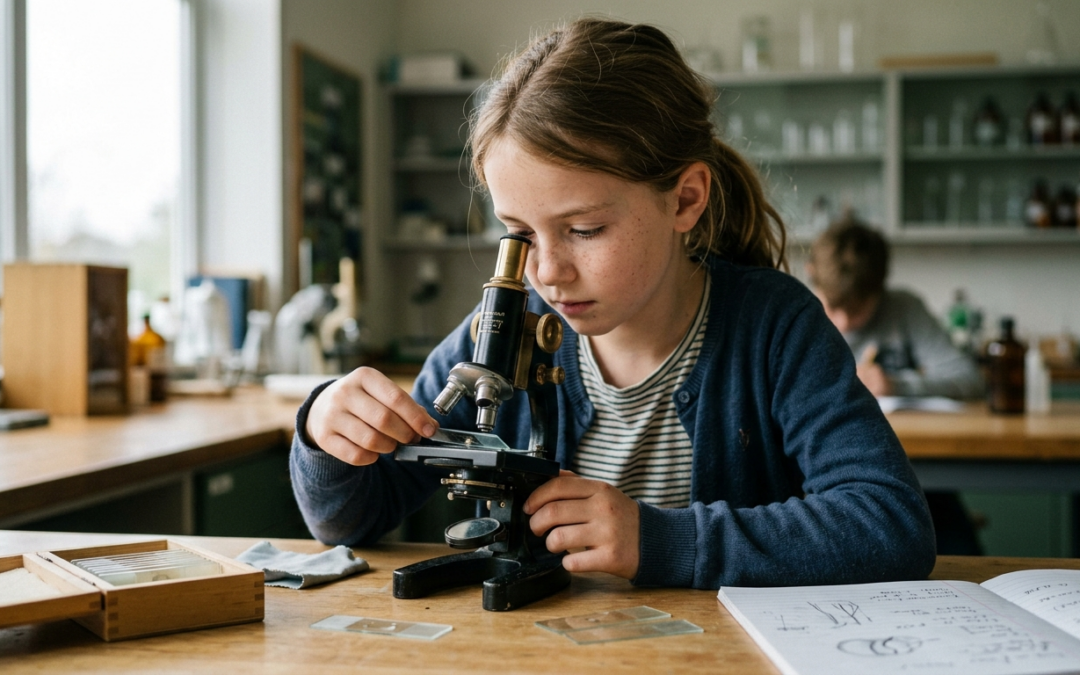
How to choose a science fair project can feel surprisingly overwhelming, even when the excitement starts out strong. If you felt excited when your child signed up for the science fair, you’re not alone. At first, everything feels full of possibility. Then you search for ideas, and suddenly it all feels complicated.
Endless lists promise “50+ Amazing Science Fair Projects” or “Guaranteed Winners.” The projects look impressive, but they also feel overwhelming. Your child wants to do everything (or nothing), so you’re left wondering how to help them choose.
But great science fair projects don’t start with lists. They start with the curiosity your child already has!
Why Project Lists Aren’t the Best Starting Point
Most online project lists are designed to deliver a finished result. They come with a set question, a known outcome, and a clear script to follow. That can feel comforting when you’re pressed for time, but it skips the most important part of the science fair experience: learning how to ask questions.
The goal isn’t the flashiest display in the gym. It’s helping your child practice observing, wondering, testing, and thinking like a scientist. A simple project your child truly cares about will teach far more than an elaborate one they copied.
How to Choose a Science Fair Project Based on Your Child’s Curiosity
How to choose a science fair project comes from what your child already notices and enjoys!
- A child who loves building and rearranging toys is exploring patterns and structure.
- A bug-collector is asking questions about living things.
- A student with strong opinions about studying is thinking about how learning works.
Instead of asking, “What project should we do?” try asking, “What is my child already curious about?”
Conversations That Help Narrow the Focus
Your role is to help your child uncover what they want to investigate, not choosing the project on their behalf.
- Younger students may need you to reflect observations back to them.
“I’ve noticed you like dropping things from different heights. What do you think affects how fast they fall?” - Upper elementary and middle school students often connect everyday experiences to science with little guidance.
“You said you focus better with music. Do you think that’s true for everyone?” - High school students may need permission to explore questions that feel personal or practical.
“You’ve mentioned your phone battery drains quickly. What do you think influences battery life?”
You’re not looking for the perfect question yet. Instead, you’re finding a direction that genuinely interests them.
Turning Interest into a Science Fair Question
Help your child shape their curiosities into something testable.
- Paper airplanes: Which design flies the farthest?
- A picky pet: Does food shape affect what cats prefer?
- Static shocks: Do different materials create more static electricity?
- Sports practice: Does time of day affect reaction time?
These questions are simple and don’t require expensive equipment. And because they come from a place of genuine curiosity, students are far more likely to stay engaged.
What Makes a Strong Starting Question?
A good science fair question should:
- Be specific enough to test
- Match your child’s age and independence level
- Allow for observation or measurement
- Excite your child, not just you
If you’re more invested than they are, keep looking.
When Your Child Suggests “The Volcano”
Classic projects come up for a reason… because they’re appealing! Instead of shutting them down, ask what draws your child to the idea. Is it the reaction? The visuals? Often, that interest can be redirected into a fresh, testable question that still feels familiar and exciting. The goal is transition from copying an idea to asking their own question.
Embrace the Messy Middle
Your child may bounce between ideas, lose interest, or suggest something wildly impractical before landing on what works. None of this is wasted time. That’s learning! Stay curious with them, ask questions, and resist the urge to take over. Choosing a meaningful starting question is the hardest and most important part of the project. But go easy on yourself. This doesn’t have to be perfect or impressive. It just has to be theirs.