How Much Does It Cost to Homeschool?
Deciding to homeschool can be a big decision for a family, and there are many things to consider. Parents have to think about curriculum, scheduling, and financial planning. How much does it cost to homeschool? This is a common question families ask, but the cost of homeschooling varies from family to family.
There are affordable and more expensive options for homeschooling children. You have to consider upfront costs and ongoing financial commitments. Researching materials and lesson plans, like the best homeschool science curriculums, can help you maximize your budget.
Understanding these costs is crucial to making informed decisions and effectively budgeting for homeschooling.
Upfront Costs of Homeschooling
There are some initial expenses associated with home education. You want to create the best experience for your child by designing an enriching learning environment.
Are homeschool supplies tax deductible? Unfortunately, there are no tax breaks for homeschoolers from the federal government. However, some states offer tax credits to homeschool families, making many consider them to be the best states to homeschool! These states are Illinois, Indiana, Louisiana, Ohio, and Minnesota.
The exact cost will depend on your child’s needs and your goals for their education. However, there are three main areas where you’ll encounter upfront costs:
Curriculum Materials
Think of this as your homeschooling tool set ‒ a collection of textbooks, notebooks, materials, and educational resources to fit your child’s learning style and grade level. While some families prefer piecing together lesson plans and materials for each subject, others opt for pre-packaged curriculum sets.
There is also online learning, which provides lessons on all subjects. The price for online homeschooling varies from company to company.
Supplies and Equipment
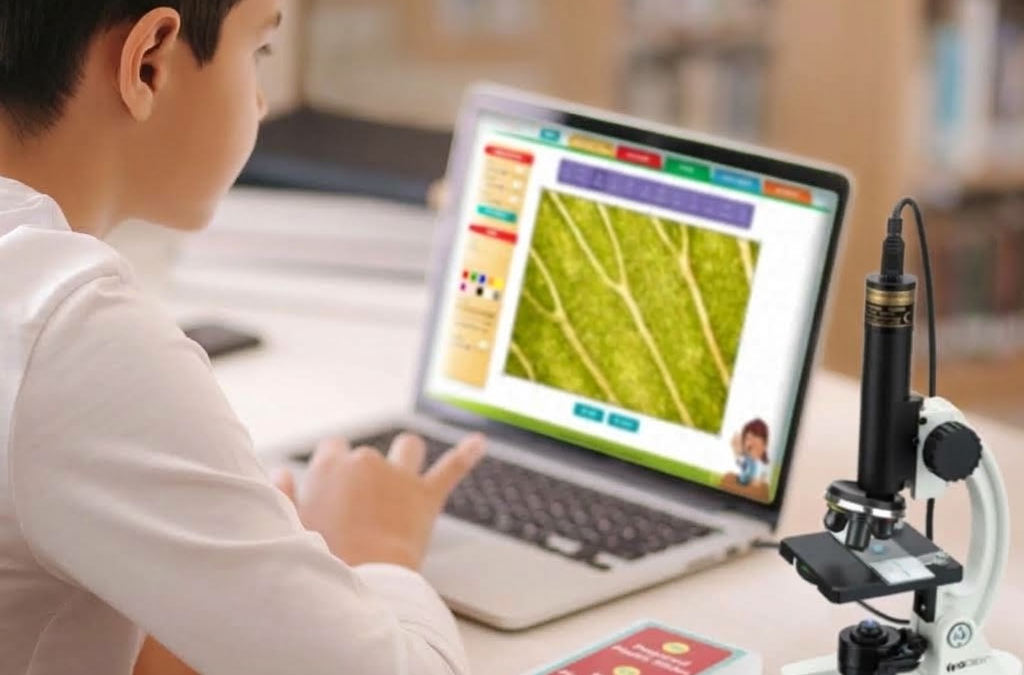
Make a list of the supplies you can find in a classroom and take inventory of what you already own. You will need basic school supplies such as pencils, paper, and a calculator. If you opt for online school, you’ll need a computer, headphones, and any other equipment the class requires.
Extracurricular Activities
Research the local homeschool and co-op groups in your area. There are wonderful groups to meet with, which can be fun social outings for your children and a chance for you to connect with other homeschooling parents.
Recurring Expenses When Homeschooling
There are recurring costs to budget for homeschooling. Your curriculum will need to be updated as your child moves from grade to grade; you’ll also need to purchase school supplies as they run out.
Your child’s extracurricular activities may also change and add to your expenses. As they gain new hobbies and interests, they may want to explore other groups, teams, or music lessons that can cost money.
Another recurring expense may be tutoring – some children need additional assistance that parents can’t provide. Because of all these factors, it can cost anywhere from several hundred to a few thousand dollars a year to homeschool a single child.
How to Save Money While Homeschooling
Homeschooling expenses can certainly add up, especially if you have more than one child. There are several ways to cut costs without skimping on your educational goals, including:
- Look for tax-free weekends to buy all your school supplies.
- Take advantage of state tax deductions and credits if eligible.
- Search for free or low-cost curriculum.
- Find a curriculum swap group or create your own by connecting with other homeschooling families.
- Look into what free learning programs or opportunities are available in your community.
- Take advantage of free resources online, such as children’s educational websites.
- Look for the most bang for your buck by purchasing educational kits that offer a lot of hands-on learning, like Home Science Tools’ year-long bundle offering six Science Unlocked kits to introduce your child to biology, chemistry, earth and space, and physics!
The Takeaways
Starting your homeschool journey can involve a few expenses – you must budget for curriculum, supplies, extracurricular activities, and ongoing costs. However, you can’t put a cost on the flexibility and individualized attention you can offer your child. Our science kits can help you cover science at an affordable price.