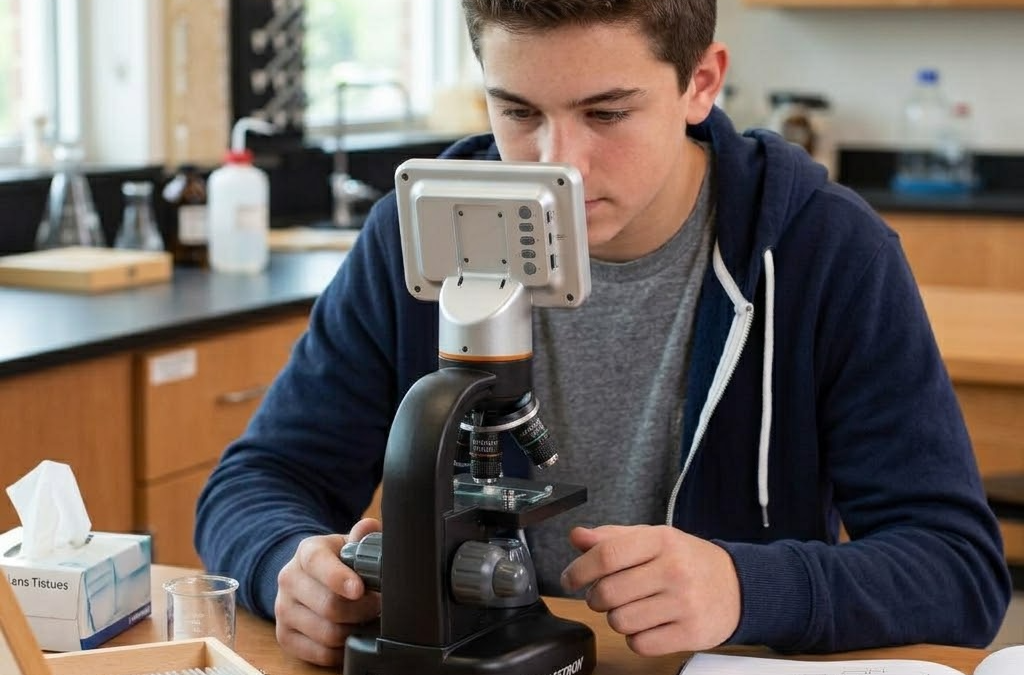
What is Entomology?
Entomology is the study of insects through observation, collection, and investigation, but entomology is something kids can easily take part in! As a quick refresher, insects are small animals with three main body parts, six legs, and often wings. And did you know that there are more kinds of insects than any other group of animals on Earth?
You can find insects almost everywhere—on plants, in the soil, in the air, and even inside your home. People who study insects are called entomologists. They observe insects, collect data, and learn how insects live and interact with their environment. The best part is that you don’t need a lab to get started. You can begin exploring right outside your door.
Entomology for Kids: Why Study Insects?
Insects play a critical role in how ecosystems function. Bees and other pollinators help plants produce fruits and seeds, while decomposers break down dead plants and animals and return nutrients to the soil. Insects also serve as a major food source for birds, fish, and other animals. Some species help control pest populations naturally.
When studying insects, students learn how living systems connect and how each part of an ecosystem depends on the others.
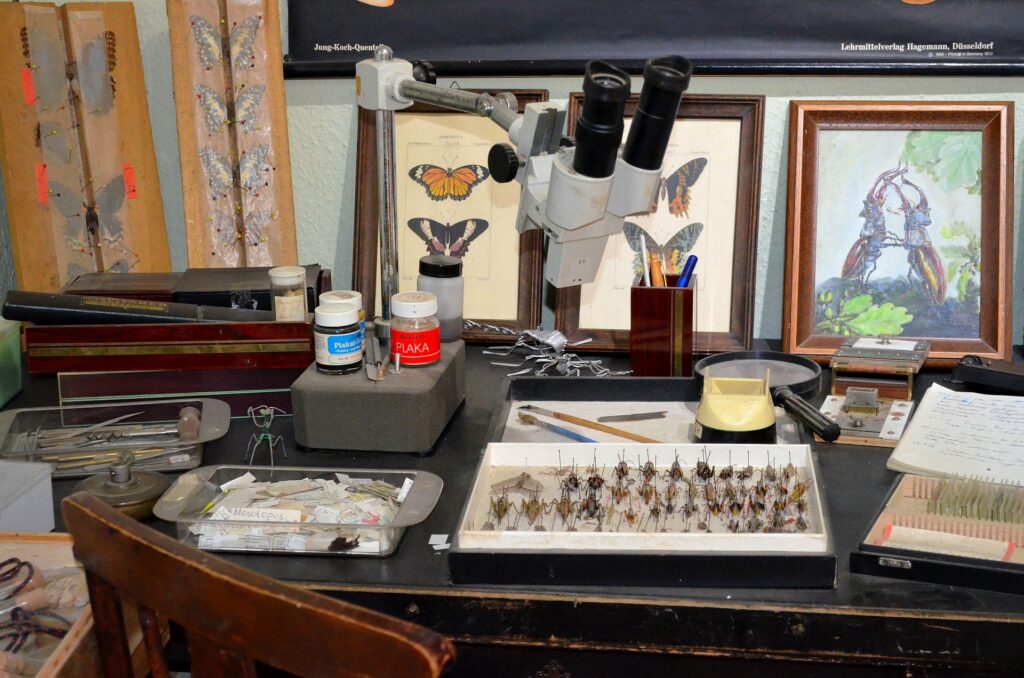
Where Can Your Kids Find Insects?
Insects live in a wide range of habitats, and each environment offers something different to discover. You might find caterpillars, aphids, and beetles on plants, while flies, bees, and butterflies move through the air above them. Beneath the surface, ants, mites, and small beetles live in soil and leaf litter, often hidden from view. At night, an entirely different group appears, including moths, crickets, and nocturnal beetles.
Exploring different locations—and returning at different times of day—helps students notice patterns and discover a variety of insects.
Basic Tools for Studying Insects
A simple setup is enough to get started. Gather a notebook for recording observations, a magnifying glass for close-ups, and small containers for collection. Tweezers or a soft brush can help with careful handling. Lastly, a ruler will help students measure and compare their findings.
As curiosity grows, additional tools can make investigation easier and more effective. Insect nets allow students to safely catch flying insects, while traps help reveal species that are small, hidden, or active at night. These tools remove frustration and make it easier to focus on observation and discovery.
Ways to Study Insects
Scientists use a few core methods to study insects. These approaches also work well in a home or homeschool setting.
Observation is often the first step. Watching insects in their natural habitat helps students notice behavior, movement, and environmental relationships. Writing down observations and sketching what they see encourages attention to detail.
Collection allows for closer study. Using a net or gently transferring insects into a container makes it possible to examine features in motion. After observing, insects should always be returned to where they were found.
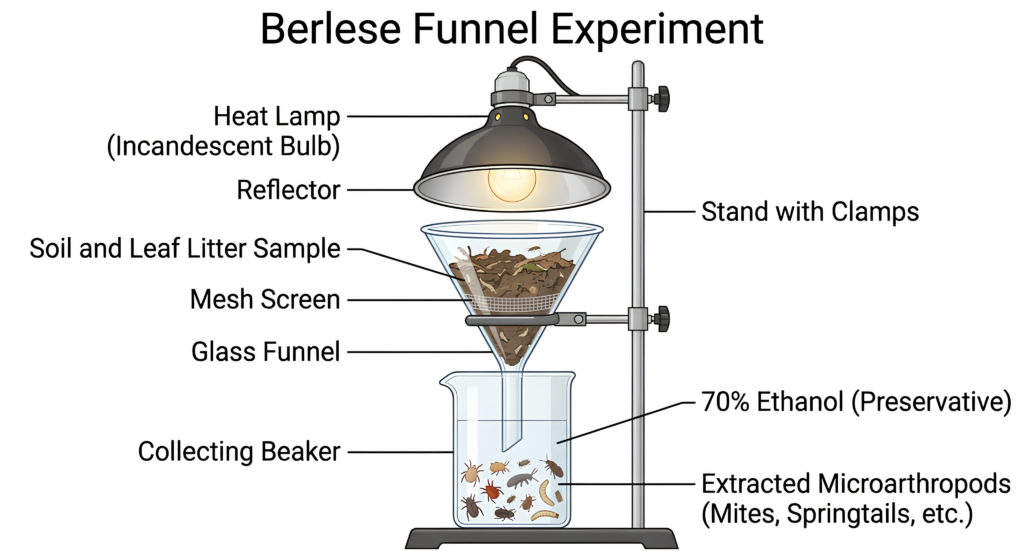
Some insects are difficult to observe because they are small or active at night. In these cases, simple trapping methods can help. Soil sampling, such as the Berlese method, reveals tiny organisms living in leaf litter. Pan traps use color to attract insects that visit flowers, while light traps draw in insects that are active after dark. Each method provides access to a different part of the ecosystem.
Simply Entomology Investigation
Hands-on investigation is where students begin thinking like scientists.
Question: Do different habitats have different types of insects?
To explore this, choose two locations, such as a garden and a grassy area, and spend about 10 to 15 minutes observing or collecting insects in each one. Record how many insects you find, what they look like, and where they are located. When you compare the results, look for differences in the number of insects, the types you found, and how they behave in each environment.
This simple activity helps students move beyond observation and begin analyzing patterns.
Keeping an Insect Journal
Keeping a journal gives students a way to track what they are learning over time. Each entry should include the date, time, location, and weather conditions, along with a description or sketch of the insect and notes about its behavior.
As observations build, patterns begin to emerge. Students may notice that certain insects appear only in specific seasons or habitats, which reinforces the idea that ecosystems are structured and predictable.
Safety and Care
Studying insects safely means handling them gently and respecting their environment. So, students should wash their hands after handling insects, avoid touching unfamiliar species directly, and return all insects to their natural habitat after observing them.
These practices help protect both kids and the ecosystem being studied.
Entomology for Kids: Bringing It All Together
Entomology for kids begins with curiosity but grows through hands-on discovery. As students explore different habitats and use simple tools, they begin to understand how insects live and interact with the world around them.
Over time, those observations become patterns, and those patterns begin to explain how ecosystems function. Then, science becomes something they can see, test, and understand—not just something they read about.