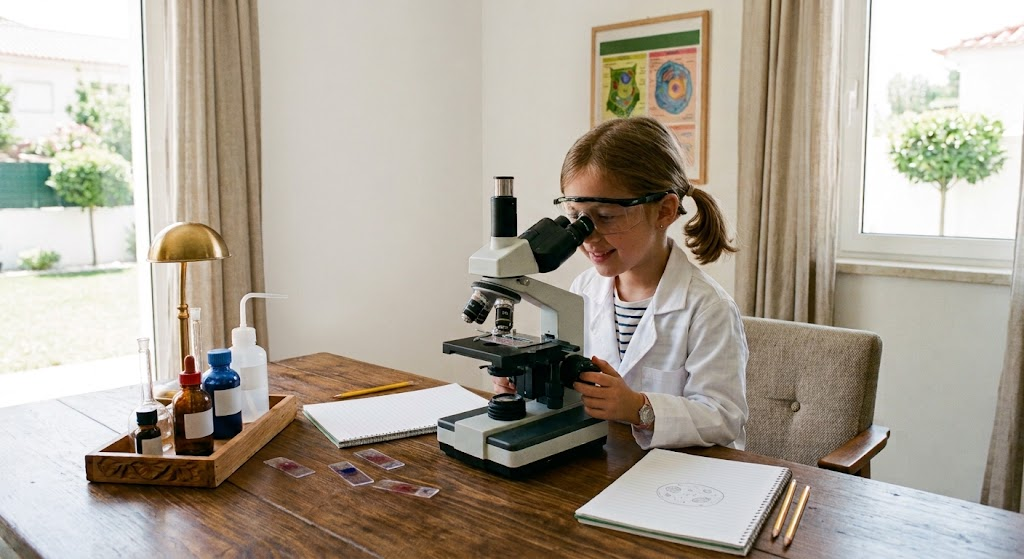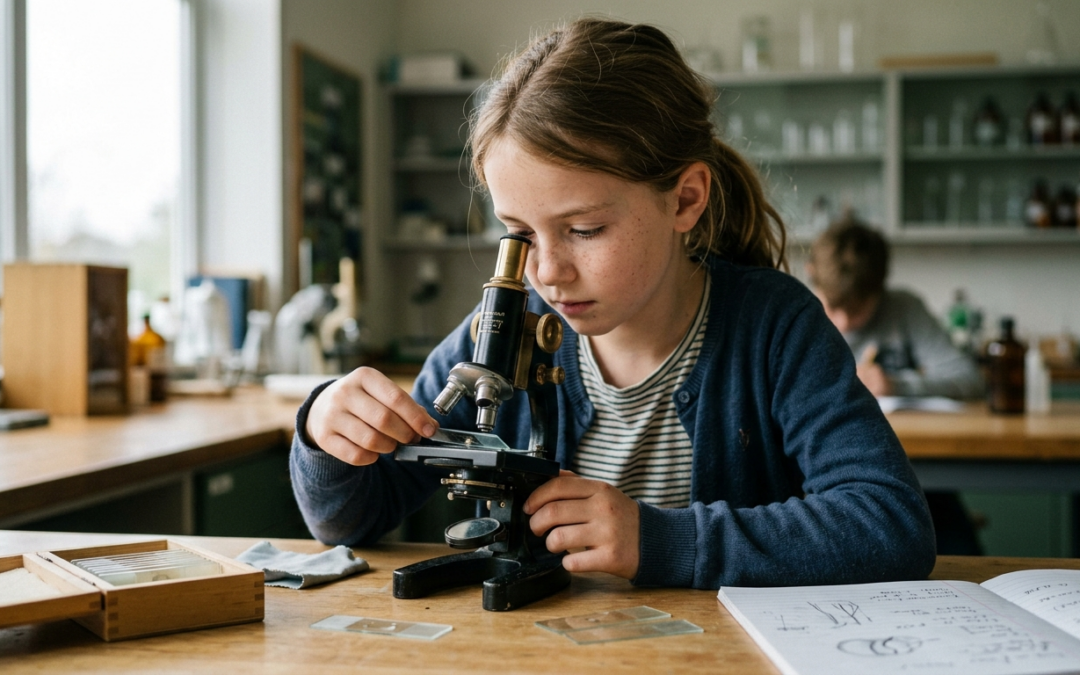
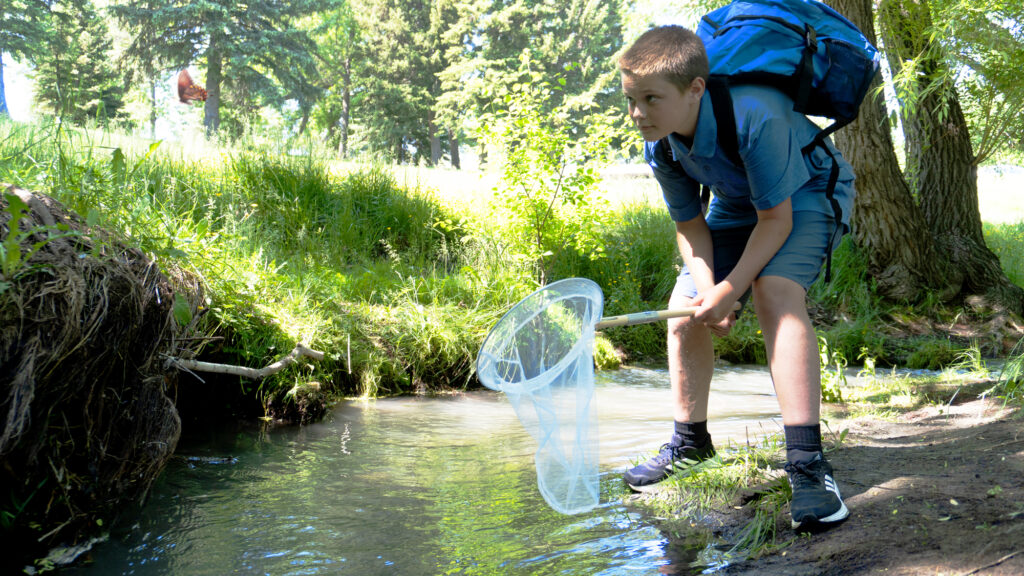
Explore like an entomologist and dive into the fascinating world of insects, from buzzing bees to ants marching along sidewalks—your child can start studying these important creatures just like the scientists do!
Insects are everywhere, from buzzing bees in blooming gardens to ants marching along sidewalks. They’re some of the most important (and overlooked!) creatures on the planet. Entomologists, scientists who study insects, help us understand their behavior, life cycles, and roles in our ecosystems. And the best part? Your child can start exploring just like a real entomologist—no lab coat required!
With simple tools and a curious mind, kids can dive into the incredible world of insects right from their backyard, a local park, city garden, or other outdoor locations!
Discover How to Explore Like an Entomologist: A Fun Intro for Kids
Entomologists study insects—the most diverse group of animals on Earth. In other words, these scientists explore how insects grow, behave, and interact with the world around them. So, they may observe butterflies migrating, study ant colonies, or research pollination in bees.
With over a million known insect species, and many still undiscovered, entomology offers endless opportunities for discovery. So, from a butterfly’s metamorphosis to the teamwork of termites, there’s always something new to learn.
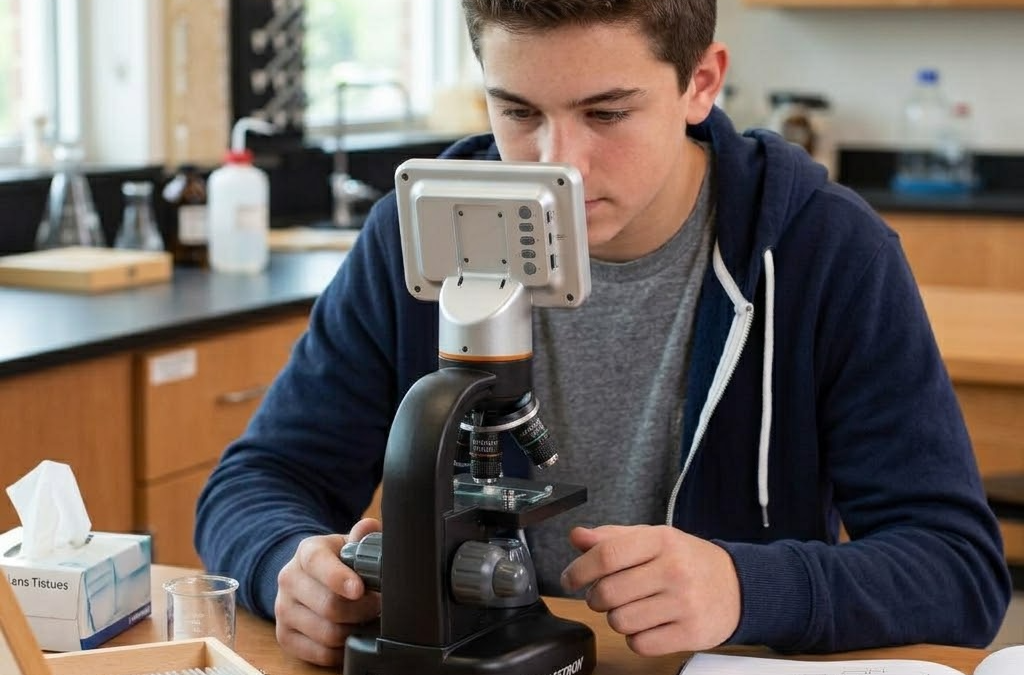
What Kids Learn When They Explore Like an Entomologist
When your child investigates the world of insects, they’re not just having fun—they’re building real-world science skills:
- Careful observation and note-taking
- Understanding metamorphosis and life cycles
- Thinking about ecosystems and interdependence
- Developing respect for living things and biodiversity
Therefore, these experiences are great for sparking curiosity, growing confidence, and building a foundation for future STEM learning!
Explore Like an Entomologist: 3 Insect Activities for Kids
Each of these easy, outdoor activities turns your child into a junior entomologist—no fancy equipment needed!
Activity 1: Start a Butterfly Garden
What You Need:
- Native flowering plants that attract butterflies (a few common butterfly-attracting plants are milkweed, purple coneflower, and black-eyed Susan)
- Shallow dish for water
- Flat rocks for basking
- Butterfly field guide
- Notebook and colored pencils
Instructions:
- Research local butterflies and the plants they like.
- Then, plant nectar flowers and host plants where butterflies can lay eggs.
- After that, create a comfy observation spot with supplies for drawing and note-taking.
- Finally, you can observe butterflies visiting, laying eggs, or even emerging from cocoons!
What They’ll Learn:
This project teaches life cycles and plant-insect relationships, and it also encourages kids to explore like an entomologist by practicing patience and careful observation.
Activity 2: Build a Backyard Insect Hotel
What You Need:
- Empty cardboard box
- Hollow stems, pinecones, bark, rolled paper, etc.
- String or glue (optional)
Instructions:
- Fill the box with different natural materials to create little chambers.
- Then, place your insect hotel in a sheltered outdoor spot.
- Finally, be sure to check regularly to see which bugs move in!
What They’ll Learn:
Kids can explore like an entomologist as they learn about habitat diversity and build observation skills while supporting insect biodiversity.
Activity 3: Pollinator Detective Challenge
What You Need:
- White paper or cardstock
- Colored pencils or crayons
- Magnifying glass
- Small notebook
- Timer or watch
- Flowering plants in a garden or park
- (Optional) Clean container with lid + phone/camera for photos
Instructions:
- Visit a garden or park with blooming flowers.
- Then, choose 3-4 flower types to observe.
- Draw a chart with columns for flower type, insect visitors, visit time, and behaviors.
- After that, observe quietly for 10 minutes per flower type.
- Then, record what insects show up, how long they stay, and what they do.
- (Optional) ently capture a non-stinging insect for closer inspection, then release.
- Finally, create a mini field guide with labeled insect drawings and flower preferences.
What They’ll Learn:
As a result, this activity introduces pollination, encourages scientific thinking, and helps kids understand the vital role of insects in plant life.
Kid-Friendly Science Vocabulary
Introduce your young scientist to these key terms:
- Metamorphosis: The transformation process insects undergo as they develop
- Exoskeleton: The hard outer covering that protects an insect’s body
- Pollination: The transfer of pollen between flowers, often by insects
- Entomologist: A scientist who studies insects
- Biodiversity: The variety of life in a particular habitat or ecosystem
Why Insect Science Matters
These simple activities connect children to the natural world. Moreover, these activities help them see how even the tiniest creatures play big roles in our ecosystems. For example, from pollination to pest control, insects keep our world balanced—and in turn, learning about them builds a foundation for appreciating nature, thinking scientifically, and protecting our environment.
Ready to Explore?
Whether you’re planting flowers for butterflies or investigating bees at a local park, you’re helping your child discover the wonder of the insect world—and giving them the tools to think like a scientist.
Take your investigations even further with our backpack kit, so your curious explorer can easily observe any insects they find wherever their adventures take them.
So, choose an activity above and start your backyard bug adventure today!