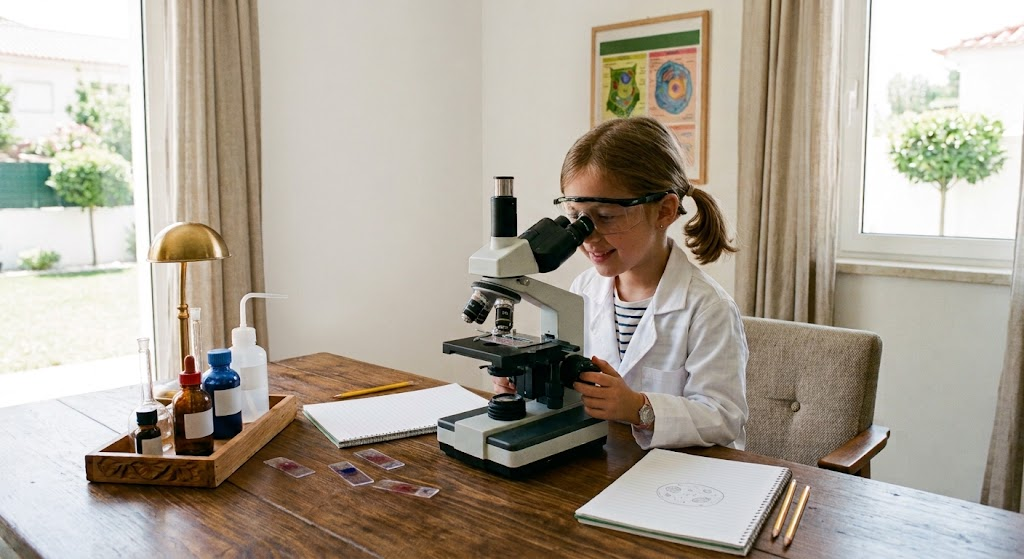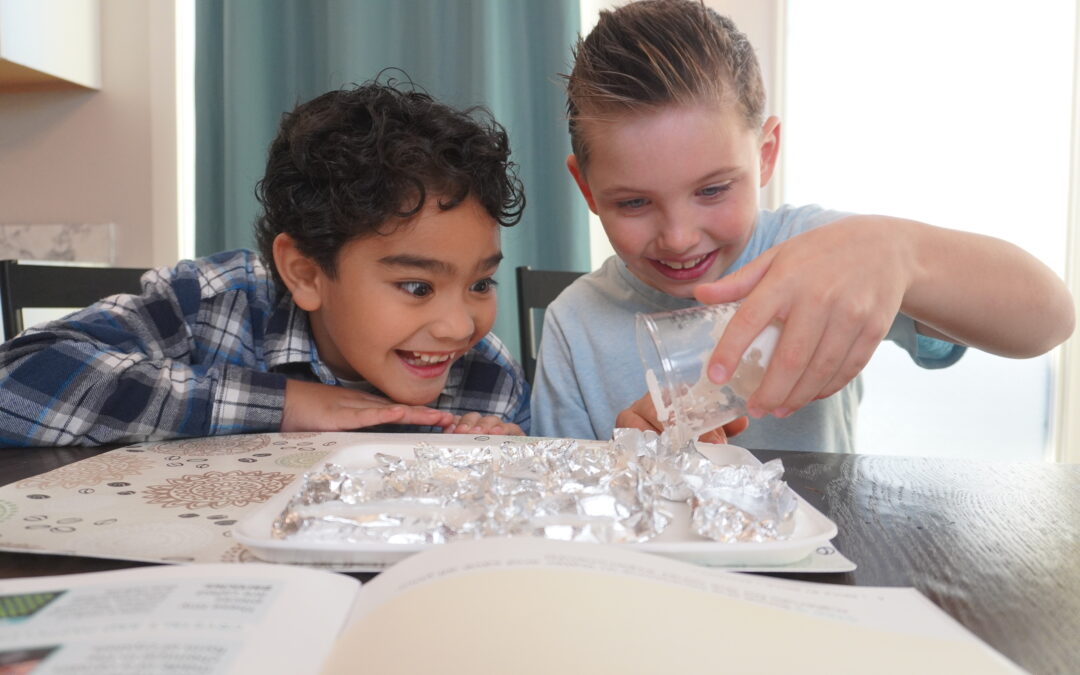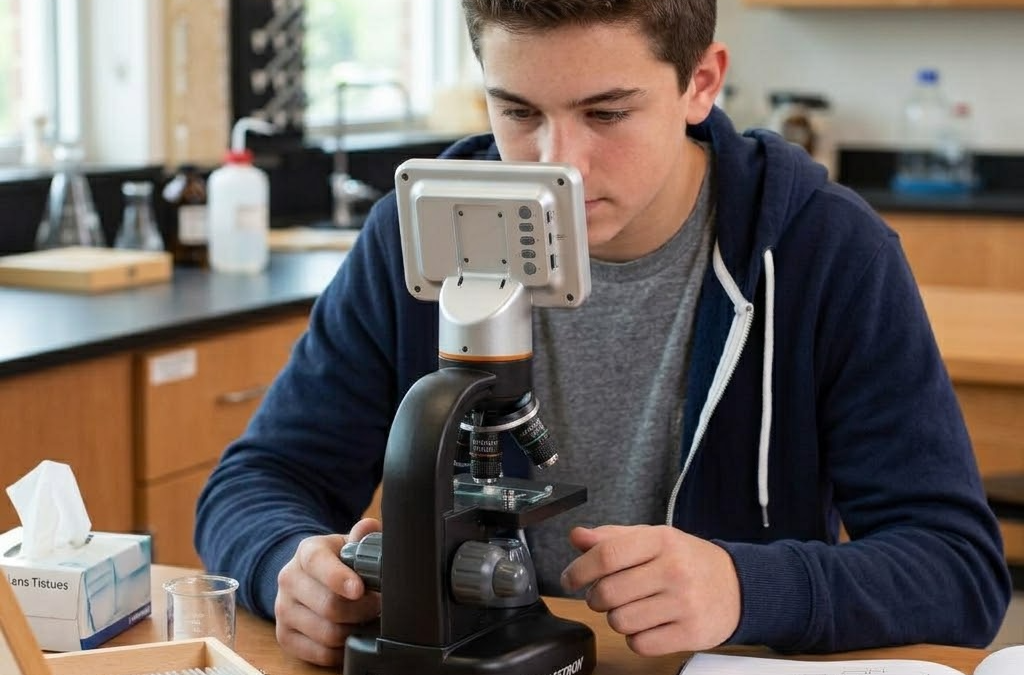
Looking for fun science activities for kids that also encourage connection, creativity, and curiosity? These five hands-on experiments and DIY science projects are perfect for families and educators who want to make science feel personal, joyful, and meaningful. Whether you’re spending time together on the weekend or need engaging indoor science activities, these ideas turn everyday moments into opportunities for discovery.
1. Discover Hidden Colors with Candy Chromatography
This simple and exciting science experiment using candy reveals the surprising colors hidden inside sweets. With just coffee filters, water, and colorful candies, kids can explore the concept of chromatography, a scientific technique used to separate mixtures. All in all, it’s a perfect mix of art and science, ideal for kids of all ages.
2. Make a DIY Sugar Scrub and Learn Chemistry
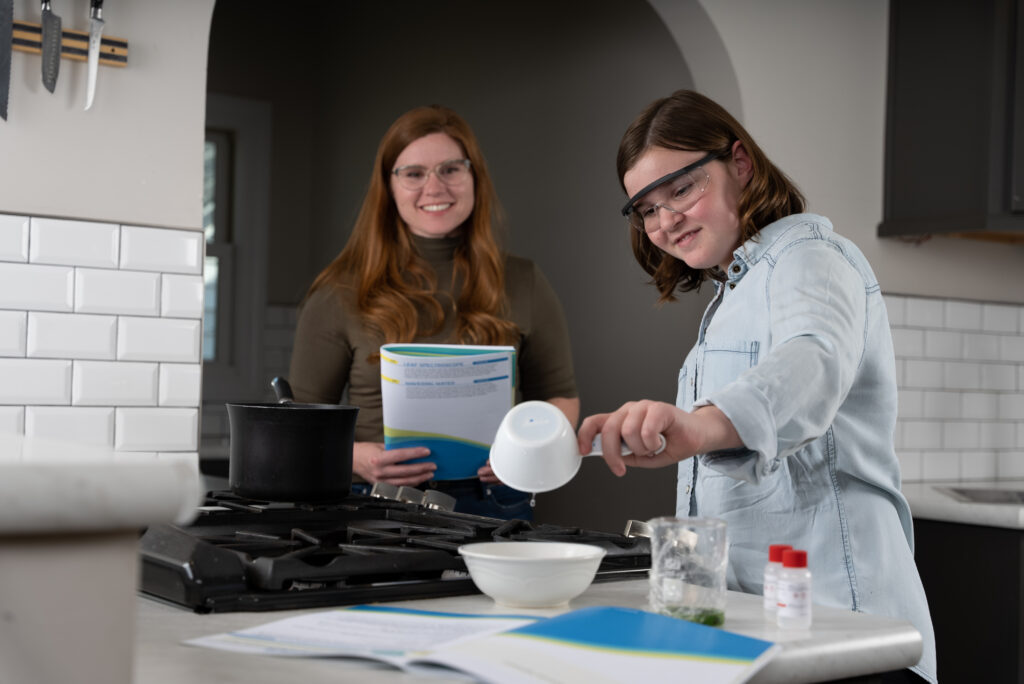
Transform your kitchen into a mini science lab with this homemade sugar scrub project. Kids will explore how oils and sugars combine to create exfoliating scrubs while learning about emulsions, solubility, and mixtures. Not only is it skincare science, but it’s also creative crafting and makes a great gift!
3. Grow Epsom Salt Crystals Fast
If you need a cool science project with quick results, try growing Epsom salt crystals at home. In just a few hours, kids can see beautiful crystals form while learning about saturation, evaporation, and crystal growth. This is one of the best quick science experiments for kids—and it looks magical.
4. Try Easy Indoor Chemistry Experiments
On a rainy day or when you want screen-free fun, try these indoor chemistry projects for kids. Using safe, household items like baking soda and vinegar, you can create fizzy, foamy reactions that demonstrate chemical changes and get kids excited about science. These classic kitchen experiments never get old.
5. Make Natural Lip Balm with Kids
Finally, teach kids about states of matter and natural ingredients by making your own DIY lip balm! This project involves melting, mixing, and cooling oils and waxes to create a smooth balm. Also, you can add essential oils or flavors for a custom touch—it’s science that’s good for your body and fun to make.
These easy and educational science activities for families help children see that science is everywhere—in the kitchen, in nature, and in everyday play. Whether you’re just getting started or looking to add to your collection of fun science activities for kids, these projects offer joyful discovery and lasting inspiration.