Childhood is filled with questions, discoveries, and small moments that shape how the world is understood. Around the age of four, curiosity becomes more intentional. There is a growing interest in how things work, what things are made of, and why nature behaves the way it does. Outdoor toys for kids can support this stage naturally and engagingly, turning simple playtime into meaningful exploration.
Here at Home Science Tools, we view outdoor play as an extension of learning. When children step outside with the right tools, everyday environments begin to feel like spaces for discovery. A backyard, park, or garden can easily become a place where science feels real and exciting.
The Value of Learning Outside
Outdoor spaces offer something that indoor environments often cannot replicate. There is movement, variation, and unpredictability. Leaves fall, insects move, and rocks differ in shape and texture. Each detail invites attention.
With the support of outdoor toys for kids, these moments gain direction. Children begin to notice patterns, ask questions, and test ideas in a way that feels natural rather than structured.
Some of the most valuable skills begin to take shape during this kind of play:
- Observing details more carefully
- Grouping and comparing objects
- Making simple connections between cause and effect
- Feeling comfortable exploring independently
Our team at Home Science Tools understands that these early experiences can influence how children approach learning later on. When curiosity is supported early, confidence tends to follow.
Discovering the Earth Through Rocks and Fossils
Rocks may seem simple at first glance, but they often become one of the most engaging entry points into science. A basic rock kit or a child-friendly rock pick can turn a walk outdoors into a small geological adventure.
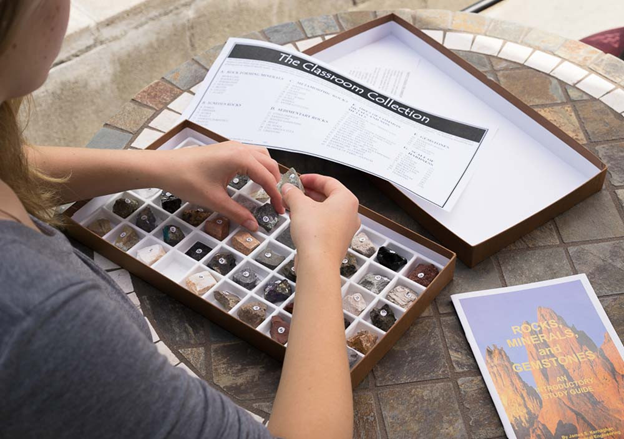
Children often enjoy:
- Collecting rocks of different shapes and colors
- Noticing patterns and textures
- Imagining how rocks were formed
These activities introduce the idea that the Earth has a history. A beginner geologist set can make these discoveries feel more purposeful, helping children start to recognize differences between materials and understand that the ground beneath them has stories to tell.
A Closer Look at Insects and Small Creatures
Insects tend to capture attention quickly. Their movement, colors, and variety make them ideal subjects for observation. Tools such as butterfly nets and simple collecting kits allow children to explore safely and respectfully.
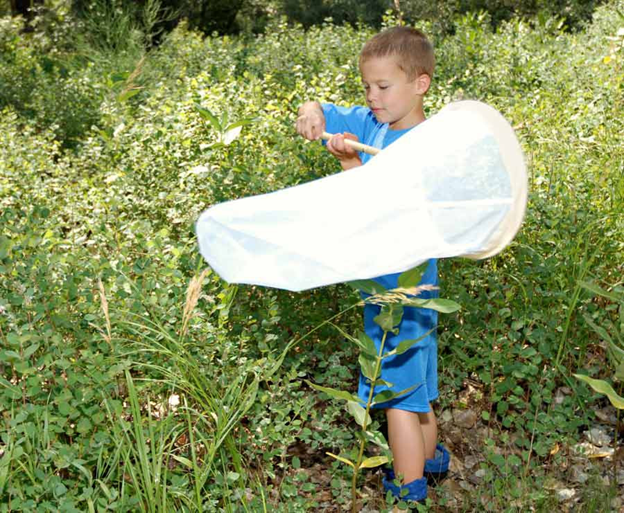
Time spent observing insects can lead to:
- Recognizing different species
- Noticing how insects move and interact
- Understanding that even the smallest creatures have a role in nature
An entomologist’s perspective begins to develop naturally during these moments. Curiosity grows as children realize that more is happening in the grass, on leaves, and in the soil than they expected.
Exploring Water and Sea Life
Water environments bring a completely different experience. Even shallow water can reveal a surprising variety of life. Sea life study kits make it easier to explore these environments in a structured way.
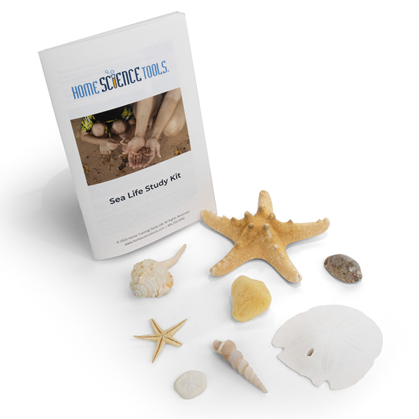
Children may begin to notice:
- Differences between aquatic and land environments
- Small creatures living in water
- The importance of clean and balanced habitats
At Home Science Tools, we believe that observations often lead to early awareness of environmental care. Small discoveries can leave a lasting impression, especially when children feel connected to what they are observing.
Understanding the Human Body Through Play
Science exploration outdoors does not focus only on nature. There is also room to explore how the human body works, especially when movement and play are already involved.
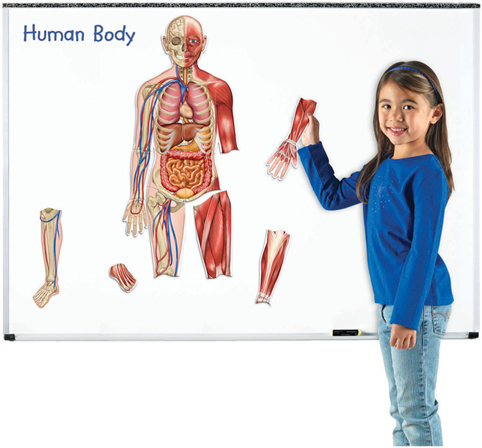
Simple tools such as X-ray models of bones or animal X-rays can make abstract ideas easier to understand. Children begin to connect what they see in these models with how their own bodies move and function.
A brain model can also introduce basic ideas about thinking and reactions. These concepts feel more approachable when they are part of hands-on activities rather than purely visual explanations.
Our team at Home Science Tools sees value in blending these topics. It helps children understand that science is not separate from everyday life.
Growing Plants and Observing Change
Plant kits offer a slower but equally meaningful form of exploration. Watching something grow over time creates a sense of responsibility and patience.
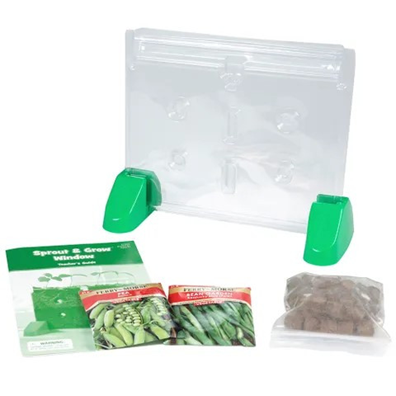
Children begin to notice:
- How seeds change as they grow
- The role of sunlight and water
- Differences between plant types
A small project like this often becomes a daily point of interest. There is a sense of anticipation in checking progress and noticing even the smallest changes.
Ladybug habitats bring a similar experience, but with movement and interaction. Observing a life cycle in real time helps make biological concepts easier to grasp. These small ecosystems often become memorable learning moments.
Looking Beyond What Is Visible
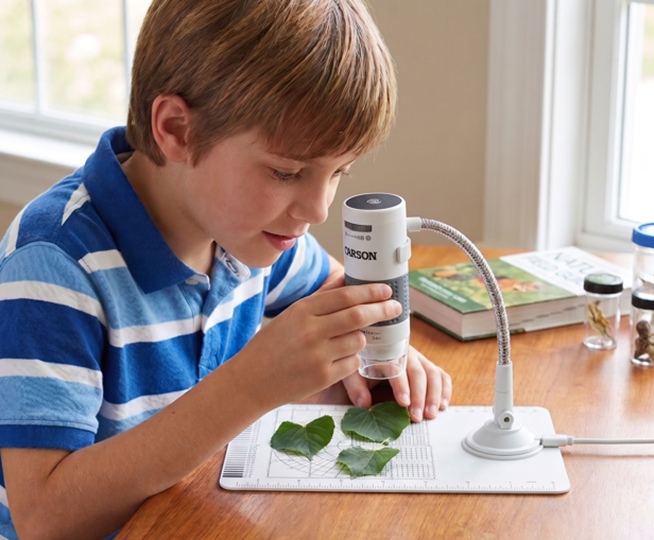
A microscope can completely change how children see the world. Objects that once seemed simple suddenly reveal patterns, structures, and details that were not visible before.
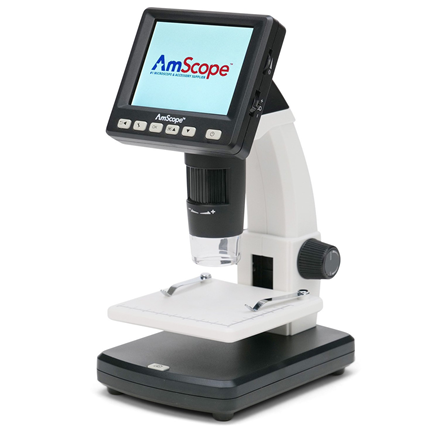
Outdoor exploration with a microscope might include:
- Examining leaves up close
- Looking at grains of soil
- Observing tiny organisms
This kind of discovery often leads to more questions. It introduces the idea that there is always more to learn, even from familiar surroundings.
Outdoor activities for kids that include magnification tools can naturally extend curiosity, keeping exploration fresh and engaging.
Supporting a Lifelong Interest in Science
Early experiences with science do not need to feel formal to be effective. What matters most is the sense of discovery and the freedom to explore ideas.
Outdoor toys for kids help create that environment. They offer just enough structure to guide exploration while leaving room for imagination.
At Home Science Tools, our focus is on providing tools that make learning feel approachable and meaningful. Each kit and resource is designed to support natural curiosity while introducing real scientific concepts in an accessible way.
A Natural Path to Discovery
Science often begins with simple moments. A rock picked up from the ground, an insect observed closely, and a plant growing day by day. These experiences may seem small, but they build a foundation for deeper understanding over time.
Here at Home Science Tools, we believe that learning should feel connected to the world around it. Outdoor exploration opens the door to these experiences, helping transform everyday play into something richer, where curiosity continues to grow with each discovery.