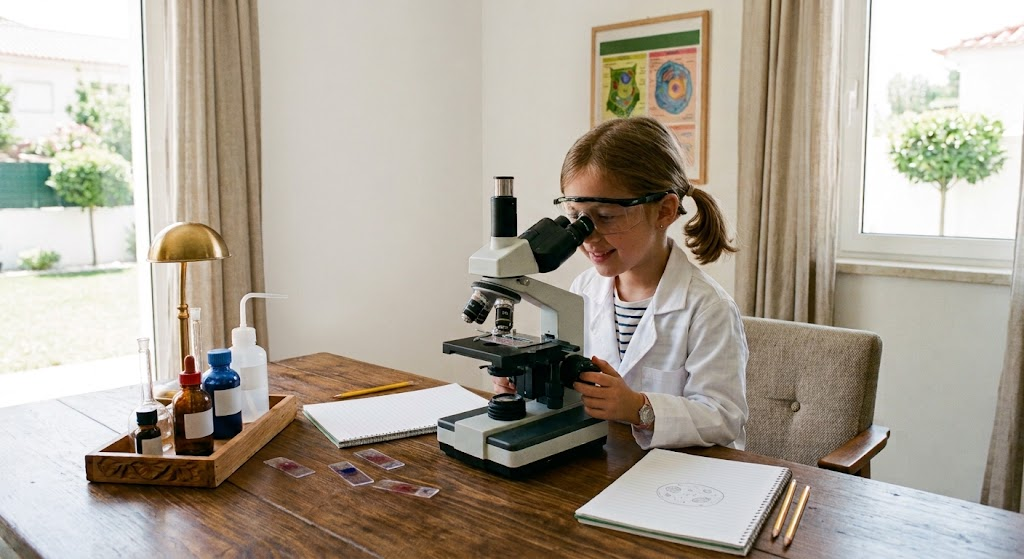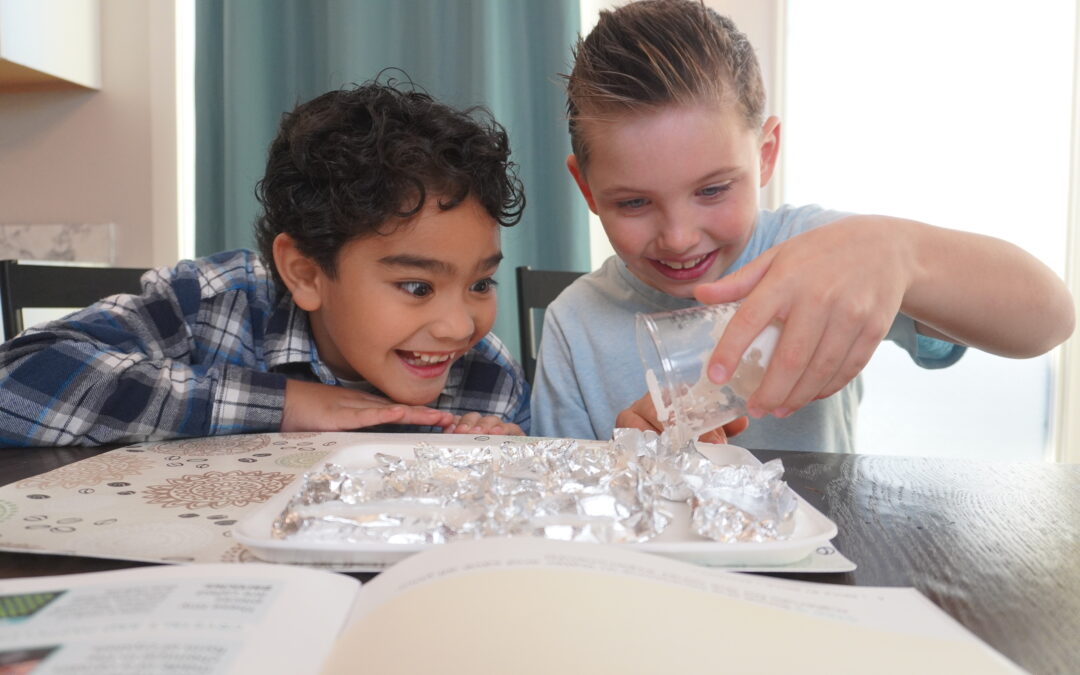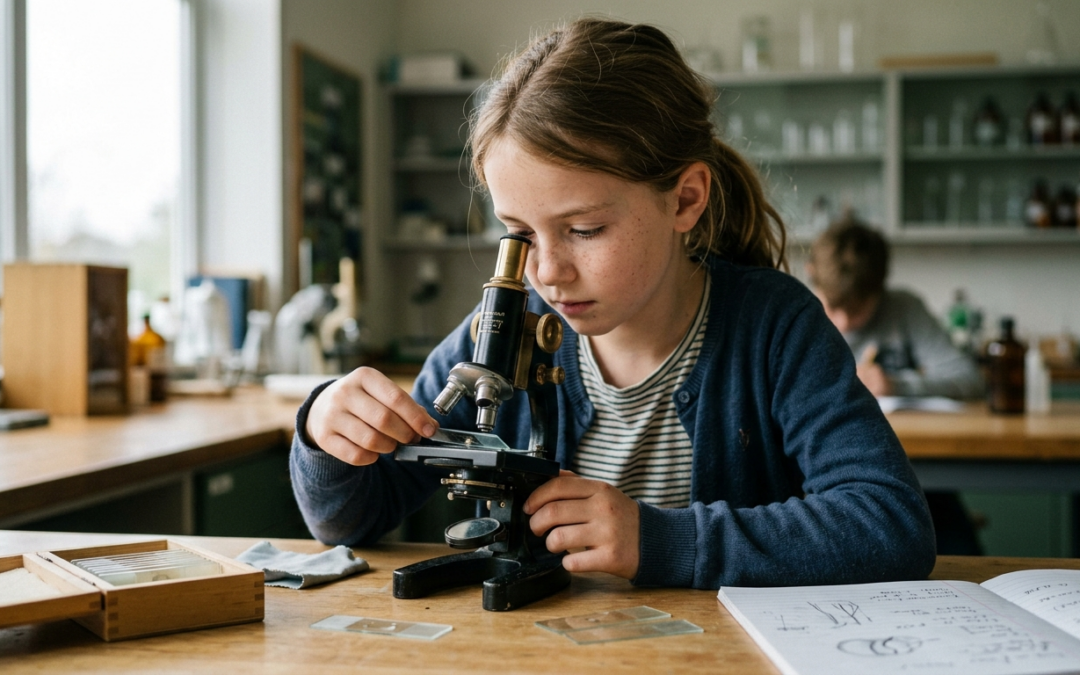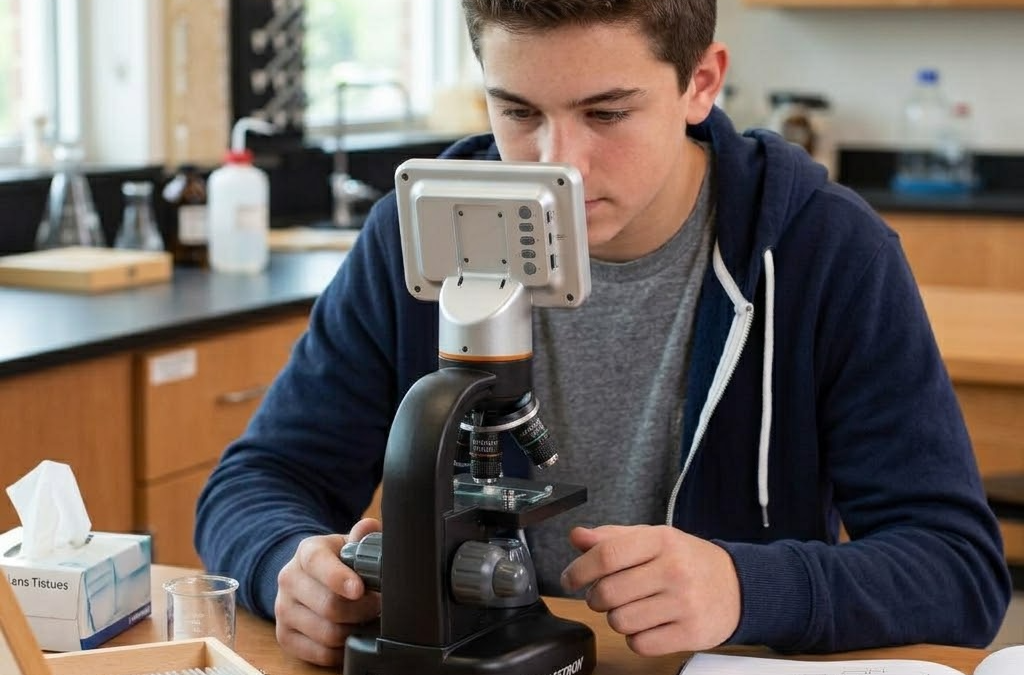
Unlock your child’s full potential with engaging, hands-on activities in paleontology, geology, and entomology, perfect for early STEM career exploration.
Introduction: The Wonder of Scientific Discovery
Do you remember the first time you witnessed something truly fascinating in nature? Perhaps it was finding an unusual rock, spotting a colorful insect, or learning about creatures from the past. Maybe you marveled at the bones of a dinosaur in a museum and imagined it walking the Earth millions of years ago. Moments like those spark more than just interest. In fact, they ignite a deep curiosity and a sense of wonder that can become the fuel for scientific discovery.
Similarly, children experience these moments all the time. They naturally ask questions like, “Why does the moon change shape?” or “How do birds know where to fly?” With just a little encouragement, their wonder becomes the foundation of scientific thinking, the same kind of thinking that drives discoveries and innovation today.
Why STEM Career Exploration Matters
Science is often taught alongside related subjects as part of STEM, an acronym for Science, Technology, Engineering, and Mathematics. Together, these subjects can form the basis of the critical thinking skills your child will need to be successful in a 21st century world. Children who engage early with STEM, particularly science, develop stronger problem-solving skills, critical thinking abilities, and scientific literacy that serve them throughout life.
The Value of Hands-On Science
While traditional learning has its place, hands-on experiences create the deepest, most meaningful connections in a child’s developing brain. When children touch, observe, and experiment, they’re not just memorizing facts, they’re strengthening the neural pathways that link abstract concepts to real-world experiences. As a result, these sensory-rich moments make scientific ideas stick and become part of a child’s genuine understanding.
Exploring Science Through Paleontology, Geology, and Entomology
Looking for fun ways to make science come alive for young learners? The fascinating scientific fields of paleontology, geology, and entomology are especially great to dive into, especially for elementary-aged kids. These areas of science are naturally hands-on, letting children dig, discover, and explore the world around them in tangible ways. Even better? You don’t need a lab or a science degree to get started. With the right tools and a little curiosity, you can turn everyday moments into meaningful science experiences.
You Don’t Need to Be a Science Expert
Supporting your child’s interest in science doesn’t require you to have all the answers. In fact, your willingness to learn alongside your child, ask questions, and explore new ideas together models the core of scientific thinking.
Start small with just one activity from each field. For instance, establish a regular “discovery time” in your family routine and watch your child’s curiosity and confidence grow.
Lifelong Benefits of STEM Career Exploration
The skills your child gains through these explorations—asking questions, forming a hypothesis, testing ideas, and analyzing results—are valuable no matter what path they follow in life. So, by making science feel accessible, engaging, and connected to the real world, you’re helping your child build a lasting foundation of curiosity and critical thinking.
You’re not just encouraging learning; you’re nurturing a mindset that will serve them for years to come.