Life Science Projects, Worksheets & Printables, Science Lessons
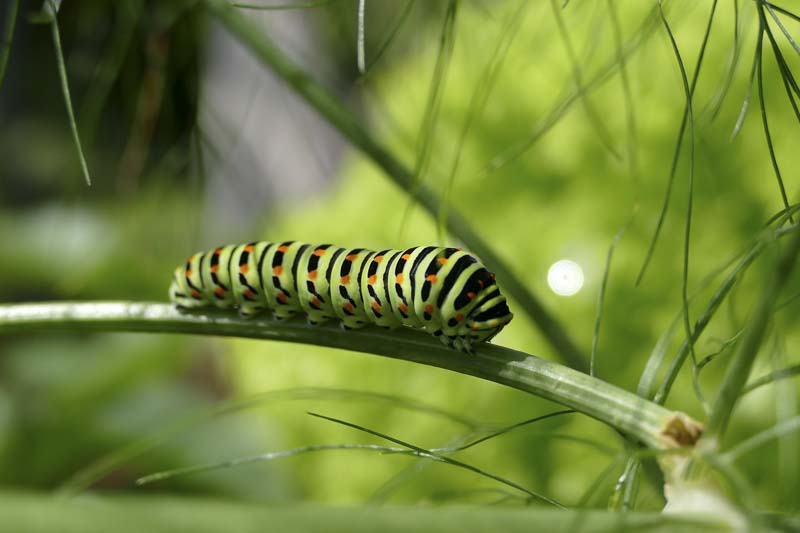
This lesson for elementary students (grades 1-4) teaches about Life Science using an inquiry approach. Students will compare the life cycle of a plant to that of an animal in this hands-on activity.
Product Resources & Support
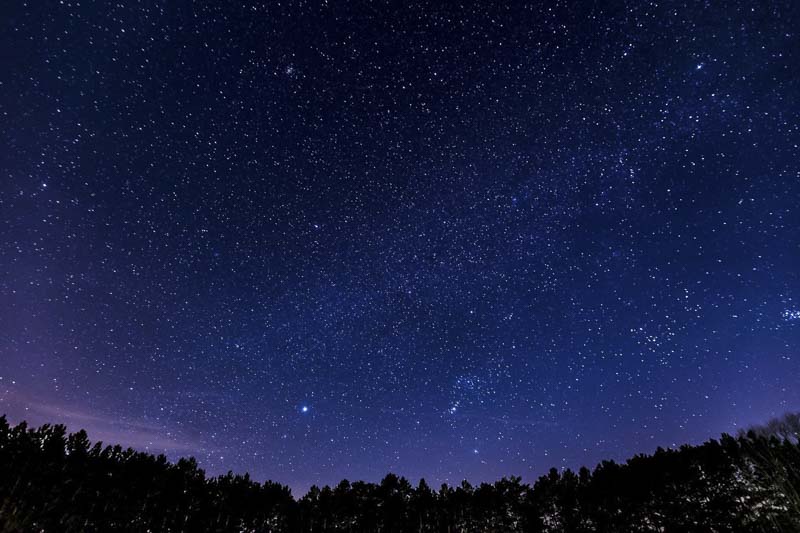
This article addresses the following: Telescope Features Telescope Selection Telescope Features The aperture, which is the light gathering lens or mirror that points at the sky, is the key to observing more stars and greater detail. A larger aperture gathers more...

Product Resources & Support
Find out more about Home Science Tools products with these short videos. They explain features and show the product in action to help you make a more informed buying decision! Click one of the links below or just scroll down to browse these videos. Fun...
Teaching Resources & Guides, How to Teach Science Tips, Projects by Grade, Middle School Projects, High School Projects, Product Resources & Support
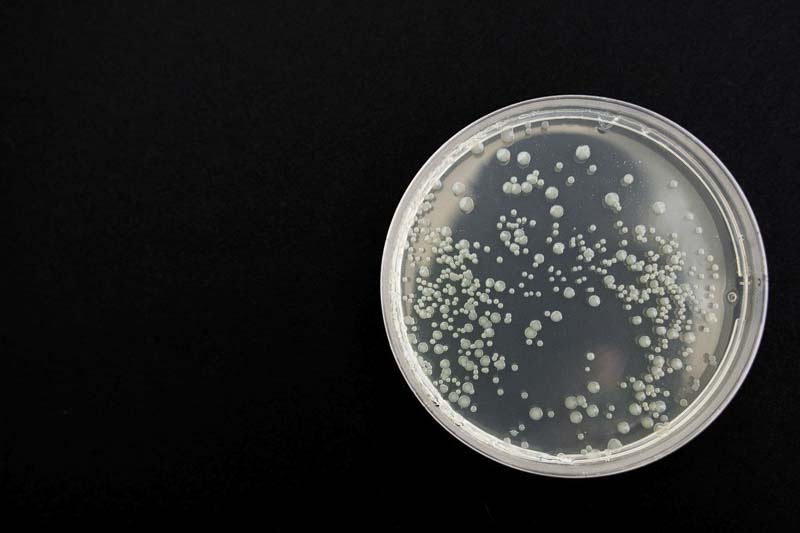
Agar is the medium that is used to grow bacteria cultures. Order nutrient agar for general culturing. Our sterile, 125 ml bottle of nutrient agar is easy to use. Just warm it until it melts and fill your petri dishes. One bottle fills about 10 dishes. We...
Teaching Resources & Guides, Life Science Projects, Science Lessons
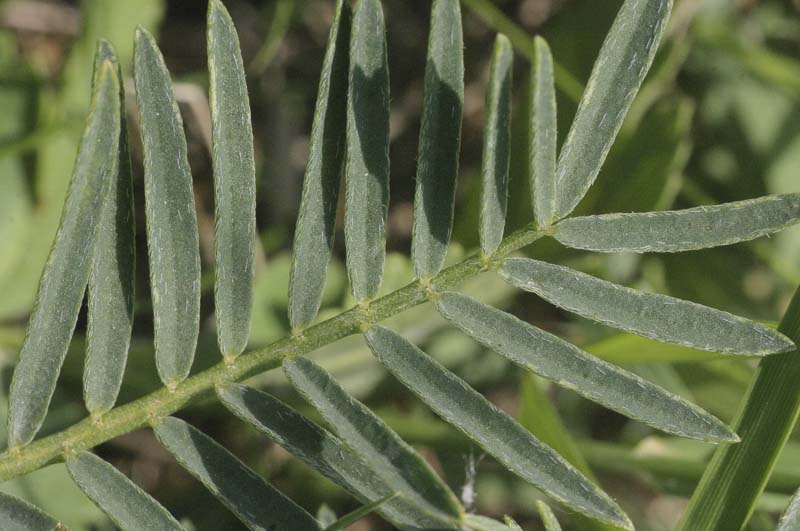
Learn what features to look for when identifying plants and how to start you own herbarium plant collection.
Teaching Resources & Guides, Life Science Projects, Worksheets & Printables, Science Lessons
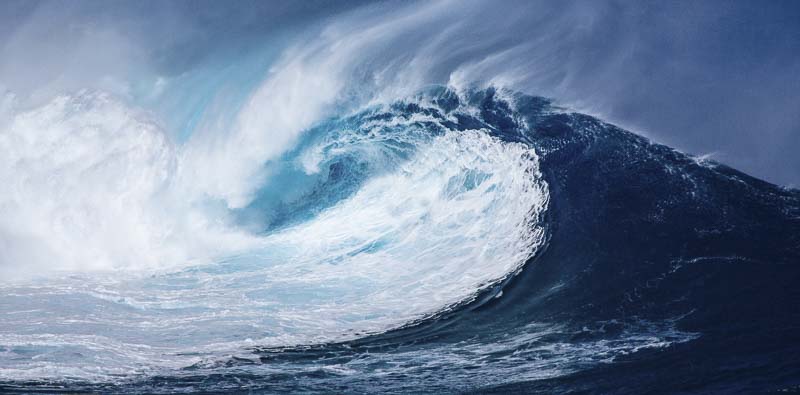
Print this two-page coloring sheet and help kids cut and paste each animal onto the ocean page at the depth where it is most commonly found in the ocean. Talk about why each animal lives in that particular area. Encourage them to draw animals and plants to fill their...