Planning for Homeschool? Expert Tips and Tricks
Planning for homeschooling begins with creating an inspiring learning space. The next step is understanding your child’s learning style, such as visual or hands-on. Finally, set measurable goals relevant to the material being taught.
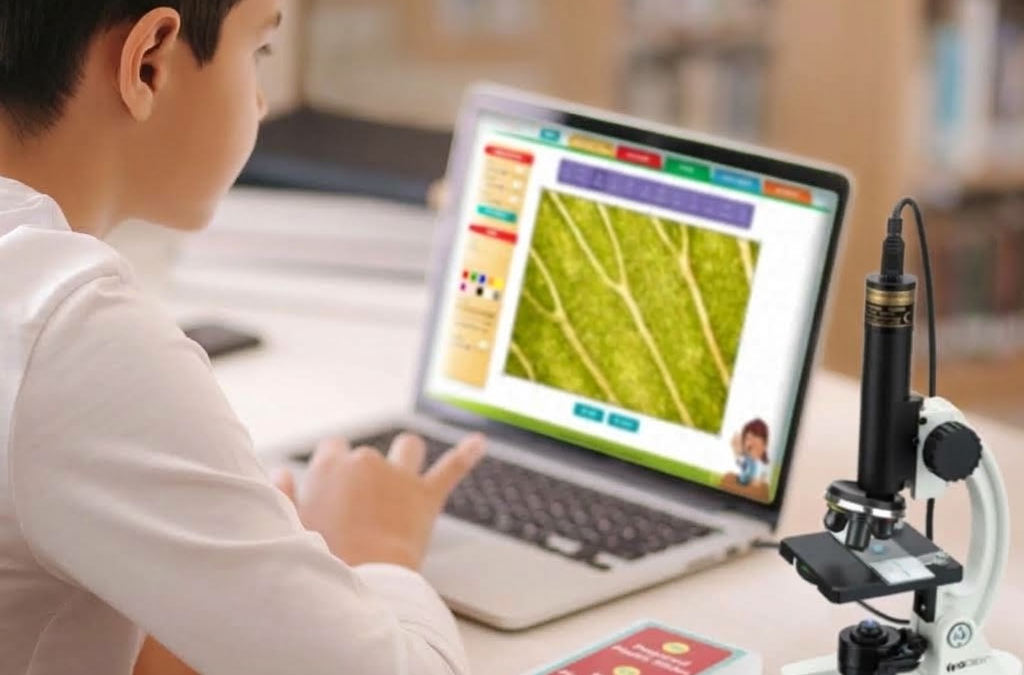
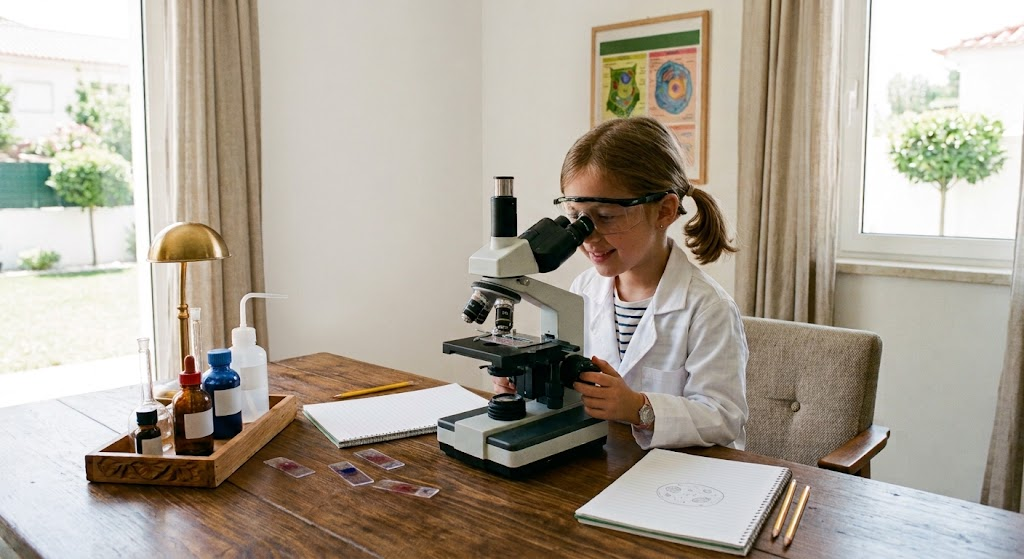
Fortunately, homeschool curriculum isn’t something parents need to design themselves, as there are plenty of curriculum books and materials. For hands-on learners, there are also easy homeschool science curriculums that let children experience the science themselves!
Here are some other tips and tricks for would-be homeschoolers and their parents:
Create a Learning Space That Inspires
Not all families have a spare room to use as a dedicated learning space. Many families will have to co-opt an existing room to use as a classroom. The living room with its comfortable seating may seem like a first choice, but there are often too many distractions, such as televisions and video games.
Dining rooms make a good space for homeschool classes. They are free from distractions and have a table perfect for working. Consider getting an easel to hold a small whiteboard and to display curriculum materials.
Posters can also be hung around the dining room. It also makes a decent space to install a small projector and pull-down screen. Projectors can be blue-toothed to any device for displaying videos. This is especially helpful for kids who need things visualized.
Finish up with a few dedicated bins to store learning materials that can be readily accessed.
The Right Learning Style and Curriculum for Your Child
Children often have a dominant form of learning that they prefer. To help understand their learning preferences VARK is very helpful. Is your child a Visual, Auditory/Aural, Reading/Writing, or Kinesthetic learner?
Different types of homeschool programs and curricula will typically incorporate varying VARK methods. This ensures a well-rounded learning environment.
Visual learners are at their best when watching videos. Static presentations are also ok so long as they contain appealing visual elements. Highlighting and underlining are a good way of emphasizing critical points.
Auditory learners do well when listening to another person explain how something works. They also excel when they are allowed to ask questions. Expect a back-and-forth with this type of learner.
Reading/Writing students may be independent learners. These students can learn simply by reading text and articles. However, many also take notes to help the information stick.
Many children do well with hands-on learning, also known as kinesthetic learning. At HST, our science curriculum and kits contain a plethora of science experiments. They allow your child to make the magic happen right before their eyes, inspiring them for years to come.
Set Measurable Goals
The transition from regular school to homeschooling often lacks structure. Parents should set goals for their children to accomplish that can be measured by some standard.
Measuring progress can be accomplished in two ways. One, the student demonstrates and explains the how and the why as proof of their understanding. Two, quizzes or exams can be used to assess the child’s progress.
With measurable goals, parents can adjust their teaching styles to accommodate the student’s successes and struggles. A student who excels at hands-on science may find math to be boring. Making math visible with objects or presentations can help students find their way.
Putting the Pieces of Your Child’s Education Together
The best kindergarten homeschool curriculum or high school curriculum will keep students engaged. Finding your child’s preferred environment and learning style will help them achieve their goals. The key is listening to your child and adapting to their needs while simultaneously finding a curriculum that meets your criteria.