Outdoor play creates space for curiosity, movement, and observation. Science becomes more tangible when children interact with the natural world. Here at Home Science Tools, our outdoor toys for kids introduce scientific ideas through direct experience. Children observe insects, study rocks, and explore plant life in real settings. These activities build foundational knowledge through simple, engaging actions.
Why Outdoor Play Supports Science Learning
Nature provides constant opportunities for discovery. Each outdoor moment can connect to biology, physics, or earth science. Children begin to notice patterns, changes, and relationships.
Outdoor toys help guide this exploration with structure and purpose. They encourage children to ask questions and test ideas. Some benefits include:
- Improved observation skills through real-world interaction
- Early understanding of scientific processes like classification and comparison
- Increased engagement through movement and sensory input
- Stronger connection to environmental awareness
At Home Science Tools, we value these outcomes because they support long-term learning habits.
Tools That Encourage Exploration
Simple tools can transform a backyard into a science lab. Outdoor toys for kids often focus on observation and collection. These tools help children slow down and examine details.
Observation Tools
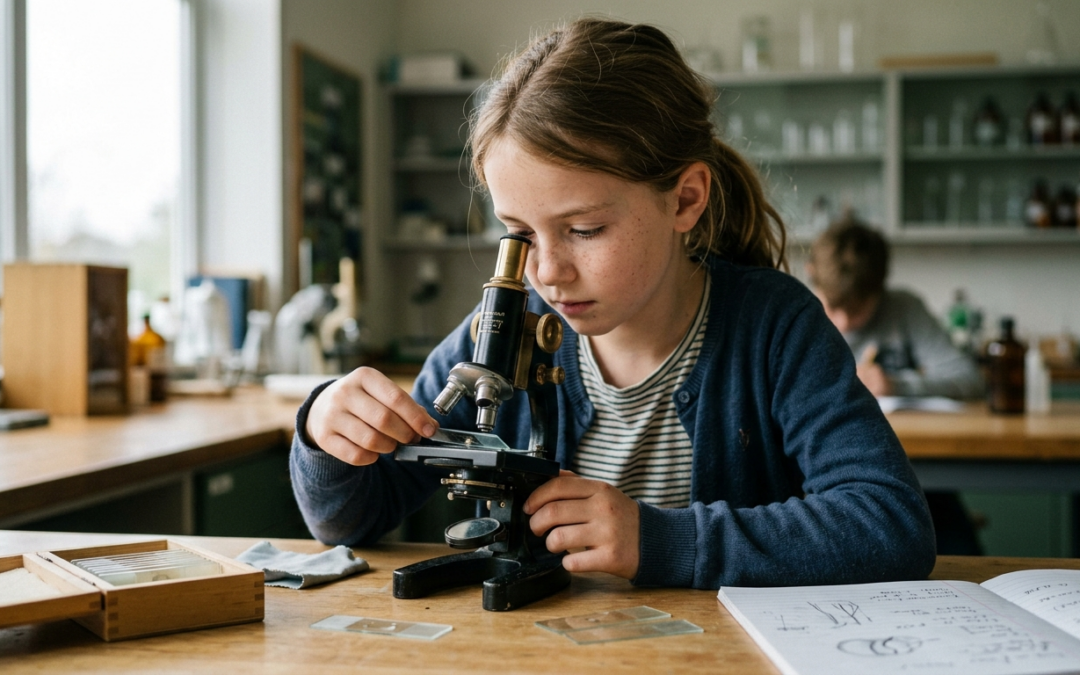
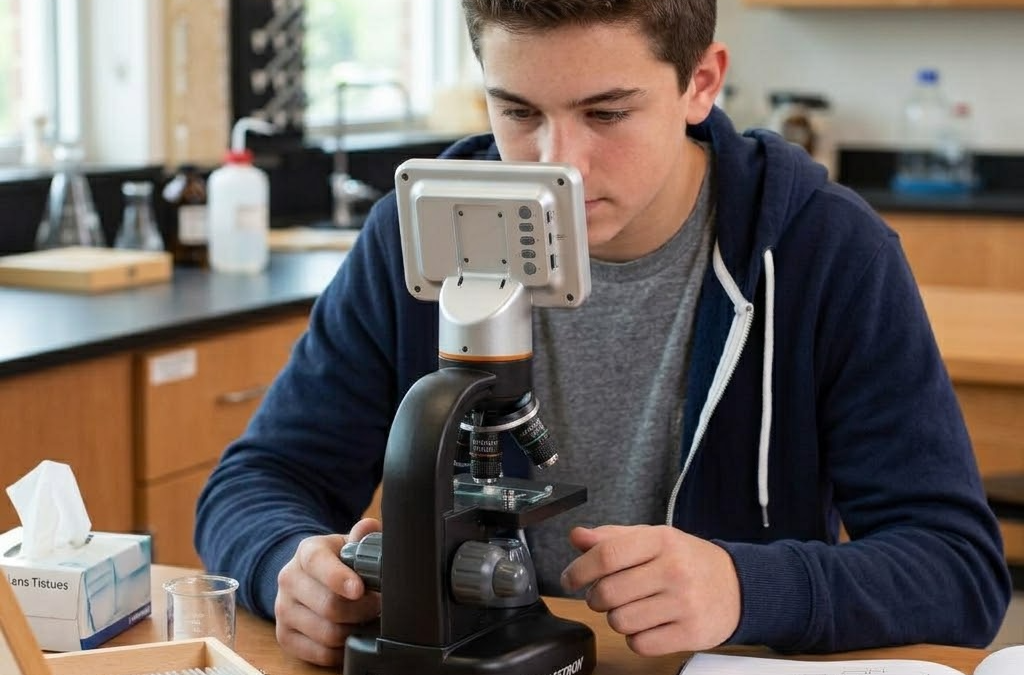
Magnifiers and microscopes reveal textures and structures that are often missed. Children can examine leaves, insects, and soil particles closely. Our tools include:
- Magnifying glasses for field observation
- Beginner microscopes designed for outdoor use
- Bug viewers for safe insect study
These support curiosity while keeping the experience accessible.
Collection Tools
Collecting natural items introduces organization and comparison. Children gather rocks, shells, or plant samples and study their differences. Popular options include:
- Butterfly nets for catching and releasing insects
- Specimen containers for temporary observation
- Field bags for carrying collected items
This process builds early scientific classification skills.
Life Cycle Learning in Action
Understanding growth and change is a central part of biology. Outdoor toys often include life cycle kits that demonstrate these concepts.
Hands-On Life Cycle Kits
These kits allow children to observe transformation over time. Watching a caterpillar become a butterfly creates a lasting impression. Examples include:
- Butterfly gardens that show metamorphosis step by step
- Frog growth kits that demonstrate amphibian development
- Plant growing kits that track seed to sprout progress
Children learn patience and observation through repeated checks and note-taking. Here at Home Science Tools, we created our kits to provide clear, visible stages of development.
Exploring Earth Science Through Play
Outdoor environments offer direct access to geology. Soil, rocks, and minerals become learning materials.
Geology Kits
Geology kits encourage digging, sorting, and identifying materials. Children engage with textures and structures in a tactile way. Our kits include:
- Rock samples for identification
- Tools for digging and sifting
- Guides that explain mineral properties
This type of play supports early understanding of the Earth’s composition.
Seashell and Rock Displays
Collected items can be turned into visual displays. Arranging shells or rocks creates opportunities for comparison. Children can:
- Sort items by size, color, or shape
- Label collections with simple descriptions
- Use magnification tools to study surface details
These activities combine creativity with scientific observation.
Adventure Kits and Field Exploration
Our outdoor toys also include kits designed for exploration and imaginative play. These kits encourage movement and storytelling while supporting science learning.
Backpack Adventure Kits
These kits provide tools for extended outdoor exploration. They often include items for navigation, observation, and recording findings. Typical contents include:
- Binoculars for distant observation
- Compasses for basic navigation
- Notebooks for recording discoveries
Children develop independence and curiosity during these activities.
Field Guides
Field guides help identify plants, animals, and insects. They introduce classification and naming systems in a simple format. Using field guides encourages:
- Recognition of local species
- Comparison between similar organisms
- Development of vocabulary related to science
At Home Science Tools, we support the use of guides to connect play with structured knowledge.
Combining Art and Science Outdoors
Creative activities can also support scientific thinking. Our outdoor toys blend art with natural observation.
Sunprint Kits
Sunprint kits use sunlight to create images. Objects placed on special paper leave silhouettes after exposure. This activity introduces:
- The effect of light on materials
- Basic principles of exposure and shadow
- Creative expression through natural shapes
Children experiment with placement and timing to achieve different results.
Encouraging Reluctant Learners
Some children hesitate to engage with traditional science tools. Outdoor play offers a more relaxed approach. It removes the structure of indoor experiments and replaces it with open exploration. Our nature toys provide:
- Flexible activities without strict instructions
- Opportunities for movement and freedom
- A low-pressure environment for discovery
Here at Home Science Tools, these products are chosen to support different learning styles.
Creating Scientific Curiosity
Outdoor experiences create lasting impressions. Children who explore nature often develop an ongoing interest in science. These early interactions shape how scientific ideas are understood later. Outdoor play contributes to this process by:
- Making science visible in everyday environments
- Encouraging repeated interaction with natural elements
- Supporting independent discovery
Consistent exposure to outdoor learning strengthens curiosity and confidence. Selecting appropriate tools depends on age and interest. Younger children benefit from simple observation tools. Older children may prefer kits with more detailed instructions. Consider:
- Durability for outdoor use
- Ease of handling and safety
- Opportunities for repeated use
Outdoor play offers a natural path into science learning. It connects children with real-world examples and encourages active exploration. Outdoor toys for kids support this process through engaging, hands-on tools.
Here at Home Science Tools, we make science engaging. Nature-based toys provide meaningful experiences that support curiosity and learning. Explore the available options and bring science into outdoor play with tools designed for discovery.