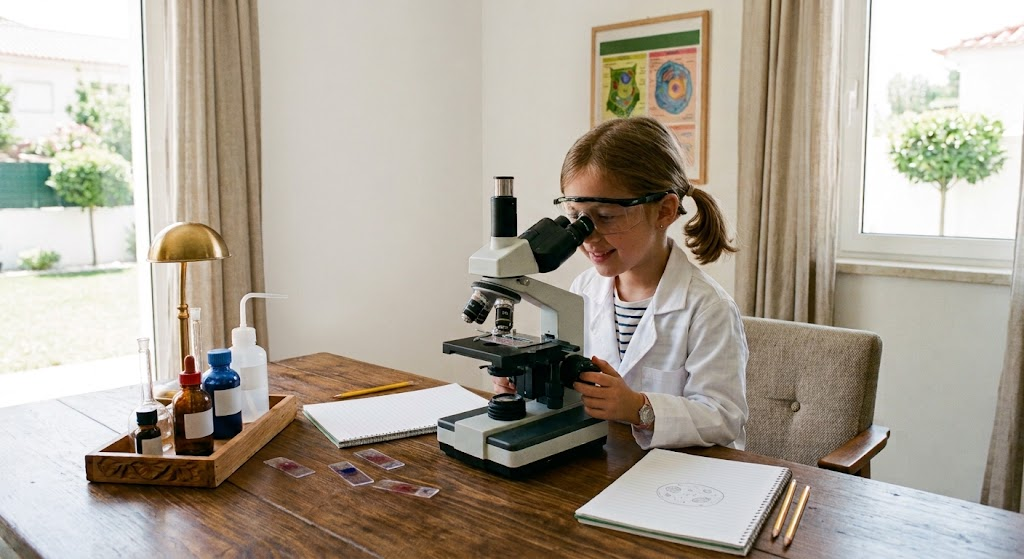
Capillary action, or capillarity, is the process by which plants pull water up from their roots, to distribute to other areas including stalks, trunks, branches, and leaves.
All plants drink water.
Most of them absorb it through their roots, from the soil.
Do Plants Have Capillaries?
In the human body, capillaries are blood vessels with slim, hair like openings. Capillaries join the ends of an artery to the beginning of a vein.
Plants don’t have blood vessels or arteries.
Instead, vascular food plants, like carrots and celery pull water (and minerals) from the roots through xylem.
Xylem are straw-like tubes, made from lignified tissues (e.g., starch). They also serve to support plants. A well-watered plant will have a firmer feel because its xylem is hydrated.
How does capillary action work?
Capillary Action Makes Life Possible for Plants
It’s what enables plants to grow, produce shade, food, and oxygen.
Capillary action is the result of two competing forces: cohesion and adhesion.
Cohesion is the attraction between two of the same molecules. Water, or H2O is cohesive. It’s why drops of water stick together.
(Learn more about the properties of water.)
Adhesion is the attraction between two different molecules. Water adheres to many molecules, including the walls of plant xylem.
Capillary action occurs in a plant when the force of adhesion is stronger than the forces of cohesion (and gravity). When it is, water can travel from the roots of a plant to the tallest tip.
See the proof of capillary action with the two drinking plant experiments below:
Drinking Carrot
What You Need:
- Two carrots with stems removed
- One cup of water
- Blue food coloring
- Scissors
What You Do:
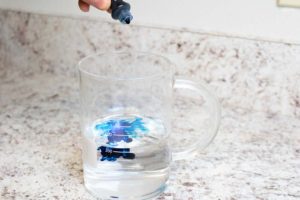
1. Mix a few drops of the food coloring into the cup of water.
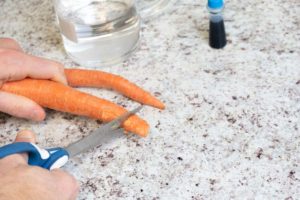
2. Cut the tips of the carrots.
3. Stir the water with the carrots until the water is a deep blue.
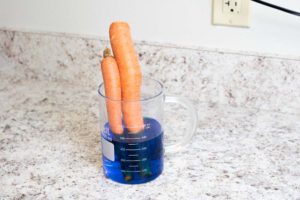
4. Leave the carrots in the water for a few hours.
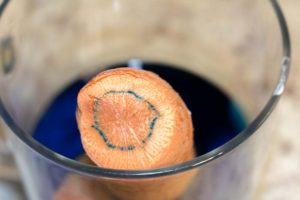
5. Look at both ends of the carrot. Note where you see blue dots. The blue dots indicate where the water was carried through the root.
What Happened:
Carrots are root vegetables. That is, like potatoes, turnips, and beets, we primarily eat their roots.
You can see the proof of capillary action by the blue dots in the carrot’s xylem.
Moreover, you can see in just a few hours how capillary action pulled the blue dye from one end of the carrot to the other.
This is important because wild carrots have stems and leaves on top of their roots that need water to grow.
Drinking Celery
What You Need:
- Two celery stalks with leaves removed
- One cup of water
- Red food coloring
- Scissors
What You Do:
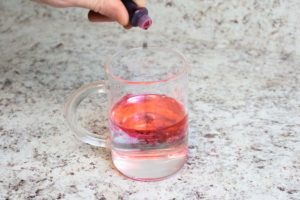
1. Mix a few drops of the food coloring into the cup of water.
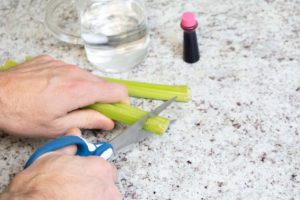
2. Cut the tips of the celery.
3. Stir the water with the celery until it’s dark red.
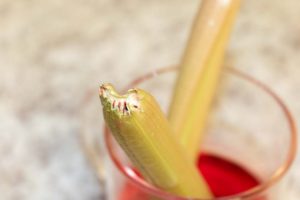
4. Leave the celery in the water for a few hours.
5. Look at both ends of the celery. The red dots indicate that water traveled through the stalk.
What Happened:
Celery is a marshland plant, with a long growing season.
In the United States, we grow it mostly for its stalks, although the leaves are edible and the seed is used as a spice.
Like the carrot, the proof of capillary action is seen by the red dots at the top of the stalk.
Celery stalks, in the wild, separate into thin branches with leaves. They need water to survive and they get it by capillary action.