What is a Life Cycle?
A life cycle refers to the stages or changes that an animal goes through while it’s alive. A life cycle repeats itself (or goes in a circle) for each new generation of life.
There are lots of different kinds of animals living on earth and many different types of animal life cycles! Mammals (including humans) have babies that look similar to adults. Baby mammals grow bigger and bigger until they are full-grown.
Other animals (including beetles, frogs, and butterflies) go through a process called metamorphosis. Metamorphosis is a big word that means changing from one form into another. These animals look very different as babies than their parents do (which is one way that frogs snakes differ).
Learn the four stages of metamorphosis in a frog’s life with the Life Cycle of a Frog Worksheet.

The Life Cycle of a Frog
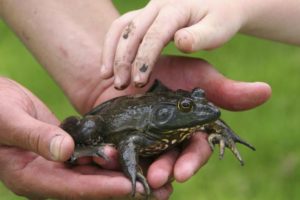
Frogs are amphibians, which means that they can live in water or on land. They go through several stages of life before they become adult frogs and during those stages, they live only in water.
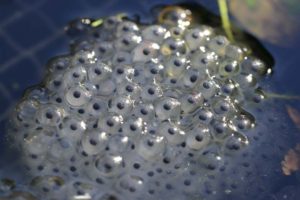
Stage 1: Egg
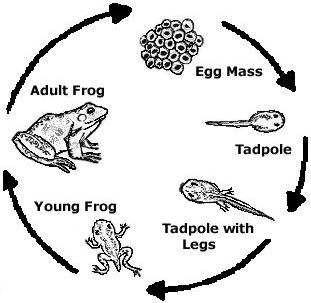
A frog begins life as a fertilized egg. A female frog lays a lot of eggs at one time in a pond. The eggs float on water in a jelly mass or cluster. The eggs will soon hatch into tadpoles!
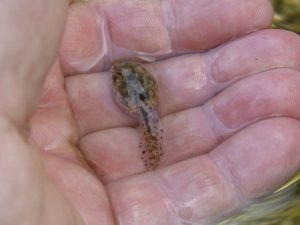
Stage 2: Tadpole
When the tadpole hatches, it looks more like a fish than a frog. It doesn’t have any legs! It has gills that allow it to breathe underwater. The tadpole swims, eats plants and algae from the water, and grows for several weeks.
During this time, the tadpole starts to develop lungs so it will be able to breathe out of the water when it becomes a frog. The tadpole also starts to grow two hind legs. Now it can leap around instead of only swimming. Although the tadpole is starting to look a little more like a frog, it still has a very long tail!
Stage 3: Young Frog
The tadpole grows two front legs and its long tail becomes shorter and shorter. The tadpole uses the nutrients stored in its tail as food, so until its tail is completely gone, it doesn’t need anything else to eat! Then just a little stub of its tail is left, and the tadpole is a young frog. It hops right out of the water and onto dry land for the first time! The frog is still very small.
Stage 4: Adult Frog
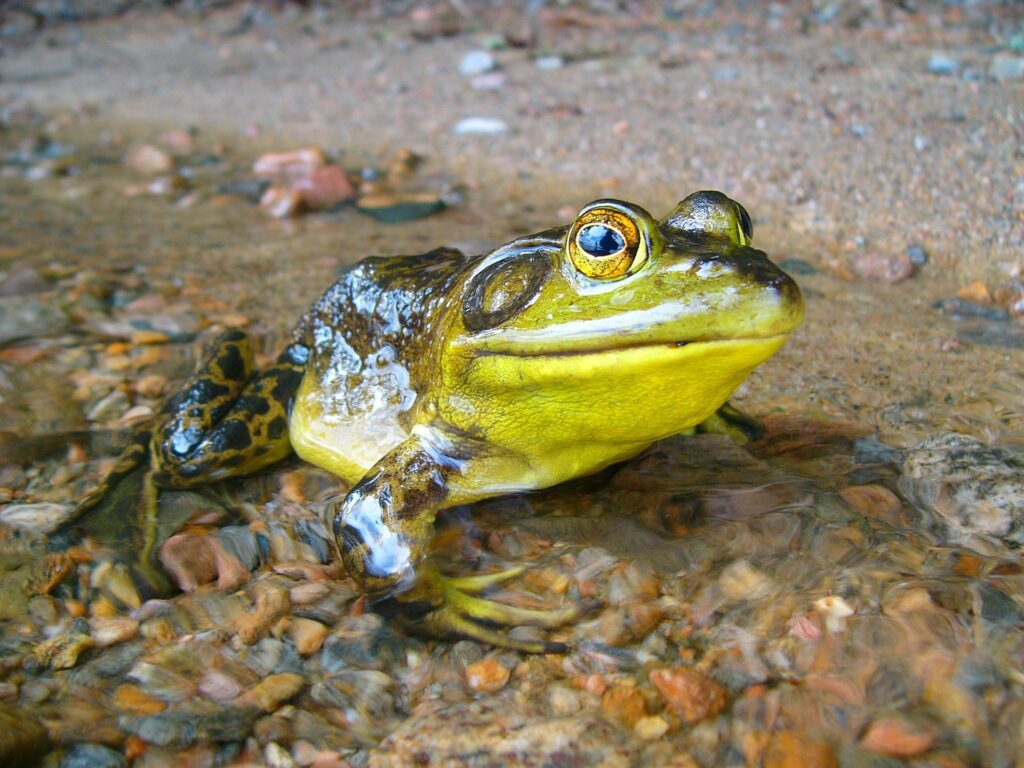
The frog’s tail will eventually disappear completely and it will start to eat insects instead of plants from the water. The young frog will grow for about 2-4 years to become an adult. The adult frogs then lay their eggs and more tadpoles hatch and begin the cycle again!
Frog Life Cycle Worksheet
Use this free printable worksheet to learn the stages of a frog’s life cycle! Cut out the pictures of the eggs, tadpole, young frog (also called a froglet), and adult frog, and glue them to the life cycle where they belong.
Further study:
More Life Cycles:
Discover More Kid-Friendly Biology Science Kits; Explore Our Collection!
Take your lesson to the next level and grow your own frog(s). Use our frog kit or the classic grow a frog kit kit.