
Get your green on with these gardening science projects!
Make Your Own Compost
Watch as materials you have collected turn into rich, dark soil! This project takes a few minutes to set up. It will take several weeks to complete.
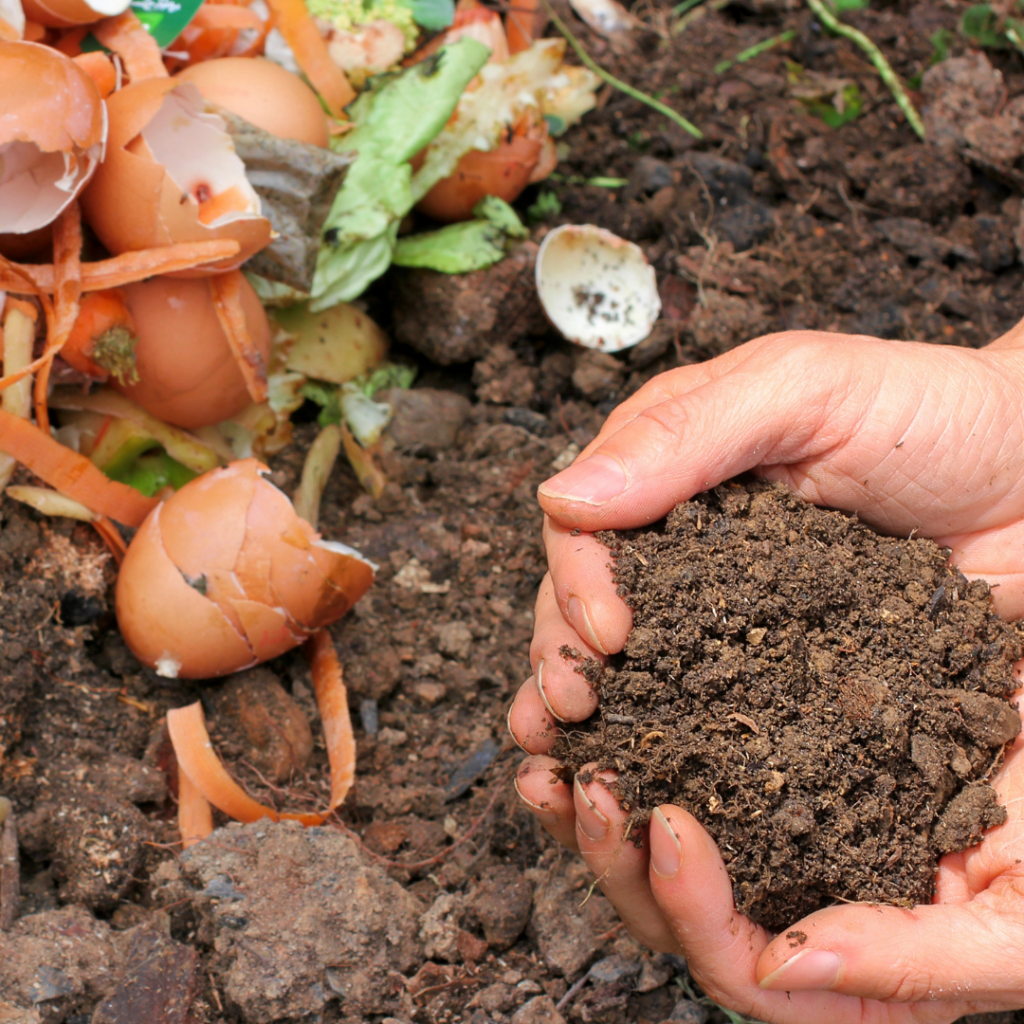
What You Need:
- Plastic one gallon jar
- Two bags of peat moss
- Biodegradable material for composting:
- Brown material: dried grass or leaves, sawdust or wood shavings, torn bits of cardboard, torn newspaper, shredded paper, straw or hay, wood ash
- Green material: grass clippings, vegetable peels or green tops, old flower bouquet, houseplant clippings, coffee grounds, tea leaves, banana peels, eggshells
Note: Compost materials should be collected for up to a week before the experiment begins.
Keep the two kinds of material (brown and green) in separate containers as you are collecting them.
Instructions:
- Put a two-inch layer of the brown material in the bottom of the jar. It is okay to use your hands for this.
- Next, put an equal amount of green material on top of the brown material. What is in the green material? How is it different from the first material you put in the jar?
- Then, add a one-inch layer of peat moss to cover the green material. Add water until the peat moss is moist. There shouldn’t be any puddles of water, but the peat moss should look damp.
- Repeat these layers until the jar is ¾ full. Then, moisten the top layer with water. Set the lid on the jar, but do not tighten it.
- Watch your compost every day for the next three weeks. If it looks dry, add a little water. Be careful not to over-water it, as this will create mold.
- Finally, after three weeks, stir the compost. Does it look different than when you started?
What Happened?
Because all your compost materials were organic (came from plants) they break down or decompose. The brown material you collected is rich in carbon. The green material is rich in nitrogen. As a result, the compost produces soil that contains both carbon and nitrogen, which are essential for a healthy garden.
How does organic matter decompose? The peat moss helped speed the process up, because it is already decomposed.
Inside the jar, the mixture of nitrogen, carbon, and soil (peat moss) started to break down chemically. This produced heat. If you felt the jar, it may have felt warm. This chemical reaction also requires oxygen (air) and water.
You may notice some materials broke down quicker than others. What kinds of things can you still identify in your compost jar? What has completely decomposed? Your compost may need more time before it can be used to add nitrogen and carbon to your garden soil.
 Gardening Science Projects
Whether you have a green thumb or not, these fun experiments are perfect for spring! Involve the whole family in learning about plants and botany.
- Watch Seeds Sprout – Even those with zero gardening experience can start quick-growing bean seeds! This project allows kids to watch in wonder as a seed turns into a plant.
- Do a Flower Dissection – Learn about the parts of a flowering plant with this step-by-step guide. Dissect any kind of flower. To easily see the parts we recommend a lily or an iris.
- Drinking Plants – Use a few common items to explore the root structure of a plant. See how capillary action works in a carrot stick and a celery stalk.
- Mini Flower Garden – Use an empty egg carton to start growing flower seeds! They’ll need sunshine and water. This gardening experiment is perfect for spring!
- Traveling Nutrients – Plants need water and sunshine, right? They also get nutrients (food) from the soil. Bring out the art supplies to visually demonstrate how nutrients in the soil get to plants.
- Recycled Seed Starter – Grow carrots, radishes, green beans, or herbs with this science project. Includes step-by-step instructions and photos to ease the process.