April 22nd is Earth Day! So, in honor of Earth Day, let’s try this recycled seed starter project. This is an important day for people all over the world. It is a day when we celebrate planet Earth and think about ways to protect the environment and make it a safer and healthier place for people, plants, and animals. But you don’t have to wait for Earth Day to find ways you can help protect the planet! So, are you ready to start our recycled seed starter project?! Let’s begin!
Recycled Seed Starter Project
What You Need:
- Empty cardboard egg carton
- Potting soil or dirt
- Seeds (carrots, green beans, radishes, and herbs grow well)
- Aluminum foil
- Scissors
- A large nail
- an adult to help
What to Do:
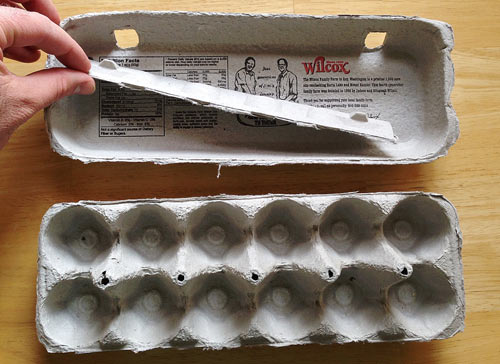
1. Cut the lid and front flap of the egg carton off neatly. Set the front flap into the lid to cover up the holes.
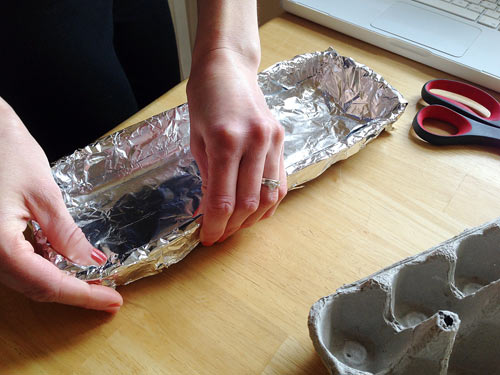
2. Line the inside of the lid with one or two sheets of aluminum foil, covering all of the cardboard to prevent it from getting wet. Use this as a tray to catch any extra water later.
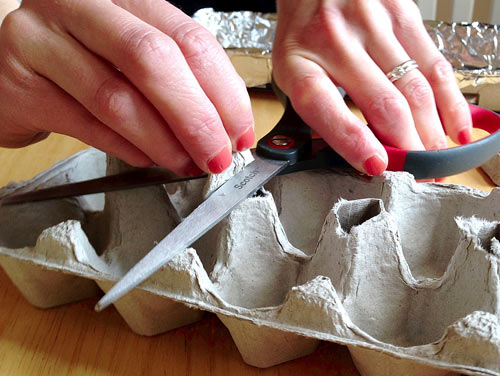
3. Turn the bottom half of the carton over (If there are tall portions that stick up between the egg cups, you can cut those off, too).
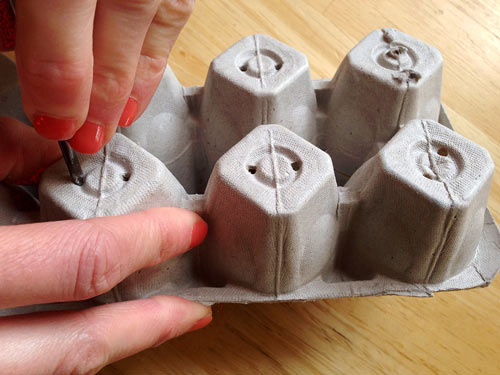
4. With an adult’s help, carefully use a large nail to poke 2-3 holes in the bottom of each egg cup. These holes will allow extra water to drain out.
5. Set the bottom half of the egg carton right side up into the foil-lined tray.
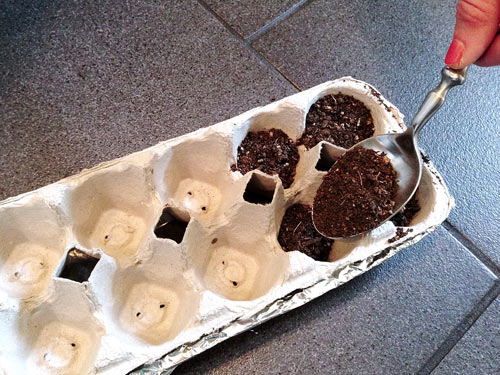
6. Fill each cup with soil and press it down lightly.
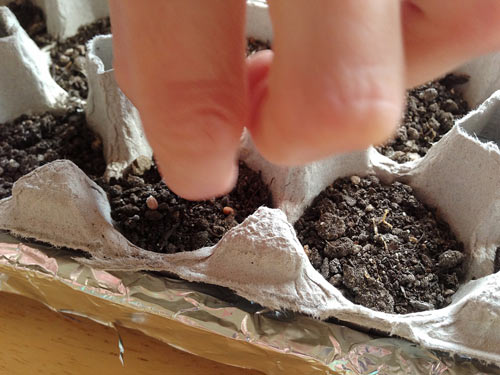
7. Plant seeds by making a small hole and sprinkling 5-6 seeds into it. Repeat in each cup and cover the seeds lightly with soil.
8. Sprinkle water carefully over the soil in each cup.
9. Set the egg carton on a sunny windowsill. Water the seeds every day or as often as the edges of the soil begin to look dry. Because the cardboard from the egg carton will soak up some water, be careful not to water the seeds too much, or the carton will become soggy. You can also lift the carton out of the tray and pour out excess water if needed.
What Happened:
The recycled seed starter project held many lessons!
First, let’s think about what seeds need in order to sprout and grow. Well, they need water, sunlight, and nutrients from soil. Learn more about germination (when seeds sprout) and how plants grow.
Once your seeds have sprouted and grown into healthy seedlings, you can plant them outdoors. Even if you don’t have a garden, your seedlings should do just fine in larger pots or recycled containers (poke holes in the bottom of containers so extra water can drain out, then fill with soil). When you’re ready to plant your seedlings, carefully cut the egg cups apart. You can plant each egg cup (carton and all) directly into the ground or a container by digging a hole large enough for the cup to fit in and then carefully packing dirt around it.
Biodegradable Materials in Your Recycled Seed Starter Project
A cardboard egg carton is biodegradable, which means it will break down and become part of the soil over time. The roots of your plants will help break the egg carton apart, too. In nature, organic matter – such as leaves that fall from trees in Autumn – breaks down into the ground over time. Leaves and other organic materials (natural things that were once living) enrich the soil, giving plants growing nearby nutrients they need to be healthier. The cardboard from your egg carton pots won’t enrich the soil, but it will still break down and become a part of the soil.
An Important Note for the Recycled Seed Starter Project
It is important to make sure freezing nighttime temperatures have passed where you live before planting seedlings outside. Even one night of frost could damage or destroy small plants.
Science Lesson
Earth Day is a holiday dedicated to raising awareness about how people’s choices impact the environment and how they can help protect and preserve the Earth. The first Earth Day occurred in 1970, and nearly 200 countries now observe it. You can check this map from the EPA (Environmental Protection Agency) to find out if any local Earth Day activities are planned in your community.
Reduce, Reuse, Recycle
The most practical ways you can make an impact on the environment are to practice the three Rs: reduce, reuse, recycle.
Reduce means cutting down on how much waste and energy (examples: garbage and electricity) we use. Reuse means to find a new way to use something rather than throwing it away (like using a jelly jar as a drinking glass). Recycling turns old things into new ones. For example, manufacturers make soda cans mostly from recycled aluminum.
Can you think of some ways you and your family already practice the three Rs? How many ways to reduce waste and energy usage can you think of? An example is turning off lights when you leave a room. How many different reuse techniques can you think of? One way is to cut up ripped, stained, or old t-shirts to use as cleaning rags. Do you know what items are recyclable where you live? Most areas usually recycle plastic bottles (with a 1 or 2 on the bottom), cans, and newspapers. What else does your local recycling center take? You can find out more here.
These practices are important every day, not just on Earth Day. Sometimes our efforts at recycling and reducing how much energy we use can seem insignificant. Even small things can make a big difference over time. Think about how much less energy we will use if we all remember to turn off the water while brushing our teeth, avoid keeping the refrigerator door open longer than necessary, and turn off lights, using natural light from windows instead. More people working together to make small changes every day can make a big difference in the long run.
Renewable and Nonrenewable
Natural resources are materials that occur naturally, like water, land, and coal. Humans use natural resources for all kinds of things, like heating our homes, fueling our cars, and to make other things, such as plastic. You can categorize natural resources into two groups: renewable and nonrenewable.
What Are Renewable Resources?
Renewable resources, like wind and sunlight, constantly replace themselves. Nonrenewable resources, such as land, water, and fossil fuels (oil and coal), either don’t replace themselves or replenish very slowly. Fossil fuels come from plants and animals that lived millions of years ago. We rely on them for heat, electricity, and fuel for cars. However, we’re using fossil fuels faster than they can replenish. Some sources estimate that fossil fuels account for 90% of the world’s energy use. Burning them also releases harmful toxins into the air, causing pollution. Many believe using more renewable resources, like wind, water, and sunlight, is a good way to reduce fossil fuel use. These are known as alternative or renewable energy sources.
Gardens, Farms, and Sustainability
Have you ever thought about where the food you eat comes from? Most of us probably buy a lot of the food our families eat from grocery stores. How did the food get to those stores? Often, it had to travel a long distance on trucks to get from where it was grown or raised to the nearby grocery store we bought it from. Transporting food uses lots of fossil fuels (nonrenewable resources). Food packaged or processed in factories requires even more nonrenewable energy, such as electricity to operate machines and materials like plastic and paper for packaging. The next time you go to the grocery store, look at the tiny stickers on different fruits and vegetables to see where they were grown if you want a better idea of how far food had to travel to get to you!
Sustainable Farming Practices
Many farms and manufactures produce food using sustainable methods. That means they try hard to reduce the amount of nonrenewable resources they use to grow, produce, and package food. Many companies use only recycled materials for packaging and use alternative energy, such as wind or solar (sun) power to keep things running smoothly. They also work hard to take good care of the land they use to make sure it remains fertile for a long time. To control pests, such as insects and weeds, sustainable farms find ways that are less harmful to the land as well as to other plants, animals, and people.
Supporting Local Farms
Buying food that is grown locally is a great way to help support small farms and people who live near you. It’s also a good way to help the environment. Small farms and local gardens don’t need as much equipment. In fact, most of their work is done by hand. Buying food that is produced locally also helps reduce fossil fuel use since it doesn’t have to travel very far to get to you!
The Benefits of Organic Food
Have you heard that organic food can be healthier for you? Well, buying food that is organic is better for the earth, too! Chemical fertilizers, pesticides, and herbicides are often used in large amounts on plants that are grown conventionally, but not on ones that are grown organically. Therefore, those chemicals can be harmful to humans and wildlife alike.
Protecting Our Resources
Not everything that we use from the Earth will be replaced naturally. Cutting down on how much water we use, how many chemicals are added to the ground to grow food, and how much food we buy from stores are all ways we can help make the resources we have on the Earth last longer. Growing your own food, even just a few vegetables or herbs for a few months out of the year, is another practical and fun way to help protect the environment.