Teaching science to multiple ages of children can feel like a juggling act. One child is learning the skill of observation while another is ready to explain why something is happening—and then there’s you, trying to give everyone the support they need.
The good news is that you don’t have to teach a separate science lesson to every child!
Science Unlocked makes it possible to bring your children together for hands-on science while giving each student room to learn at their own level.
Can You Use Science Unlocked with Multiple Students?
Absolutely!
Science Unlocked was designed with flexibility in mind. Each module includes a Teacher Guide with Multiple Ages and Abilities sections throughout to help you adapt lessons for students at different stages of learning and with different learning styles/needs.
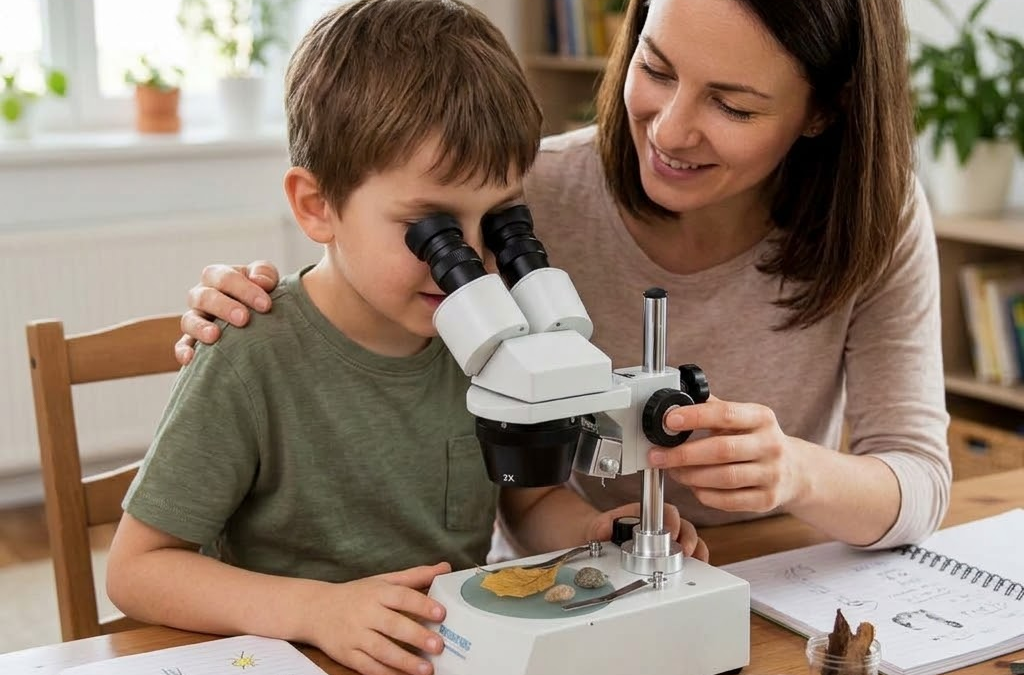
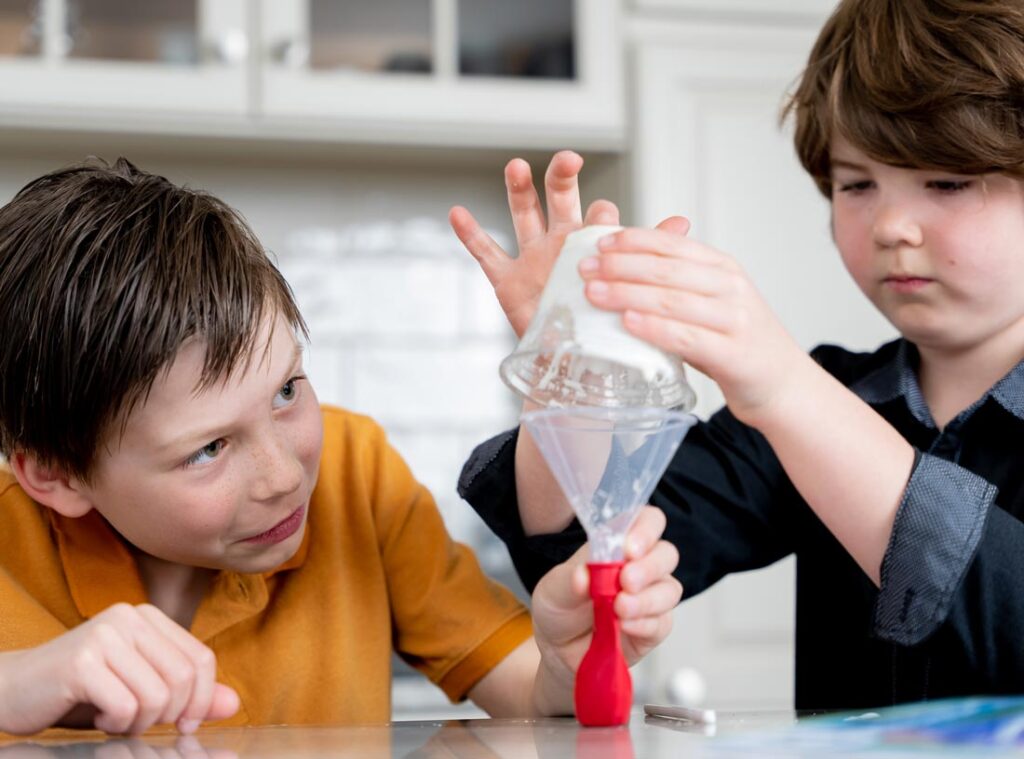
For example: Imagine your children exploring the same experiment. Your youngest might focus on describing what they see. An older sibling could be recording measurements and comparing results.
Everyone participates in the same activity, but their work reflects their individual abilities.
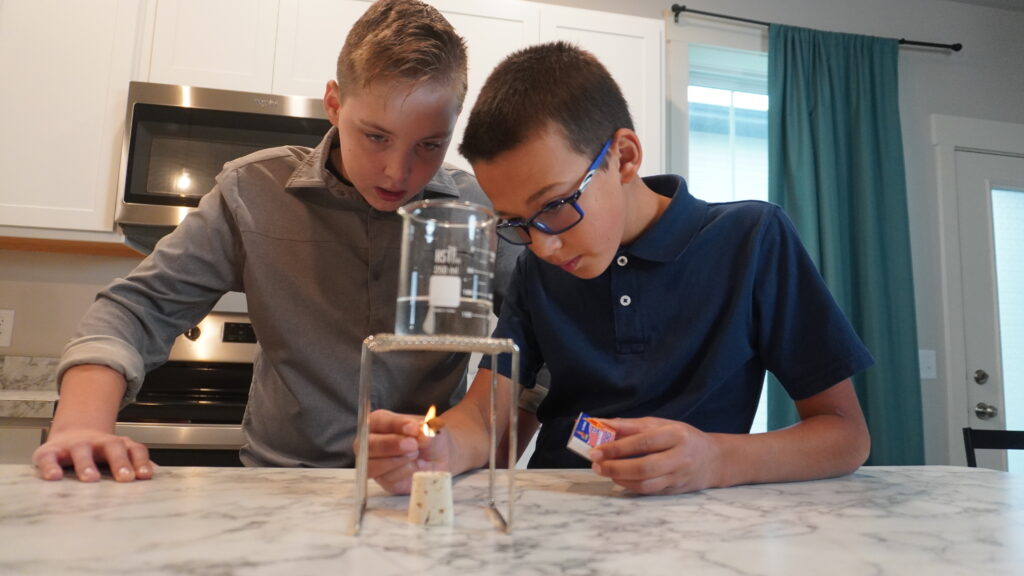
And you don’t need a science background to guide them! Each Teacher Guide includes instructions, sample answers, and helpful tips to help you recognize when your children understand the concepts and are progressing in their science journey.
Do You Need a Separate Curriculum for Each Child?
Not necessarily! Siblings can work through the same module and share the included experiment materials to complete each activity together.
Working together also gives children opportunities to compare predictions and discuss what they’ve discovered. And it reinforces important skills, like cooperation and communication.
Necessary supplies come right in the box. You’ll only need to gather a few household items.
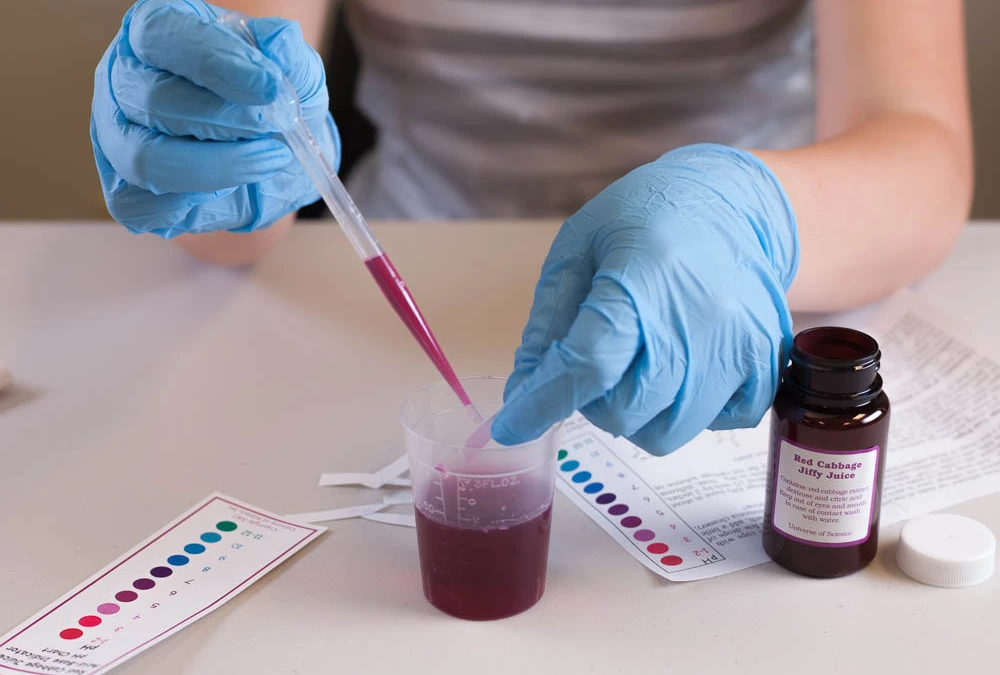
One important safety note: If an experiment involves chemicals, be sure to purchase additional personal protective equipment (PPE), including appropriately sized safety goggles and gloves, so every participating student has their own.
Does Every Student Need a Workbook?
Yes. Though children can share experiment materials, each student should have their own Student Workbooks.
The workbook is where students record predictions, observations, answers, and conclusions.
Every Science Unlocked module includes one Student Workbook and one Teacher Guide. Additional workbooks are available at Home Science Tools. Be sure to click the button under the product name to add workbooks for additional students.
How Do You Choose the Right Level?
Science Unlocked offers a complete K-12 science pathway organized into three levels:
- Wonder (designed for grades K-2): Builds curiosity and introduces foundational science skills through hands-on exploration.
- Accelerate (designed for grades 3-7): Develops scientific reasoning through experiments, observations, and evidence.
- Launch (designed for grades 8-12): Challenges students to investigate advanced scientific concepts and practices.
If your child falls between two levels, consider their experience with science, reading ability, and comfort working independently. Students who are new to science or still building foundational skills may benefit from starting at a lower level to develop confidence. On the other hand, children who love science, grasp new concepts quickly, and enjoy working independently may be ready for the higher level.
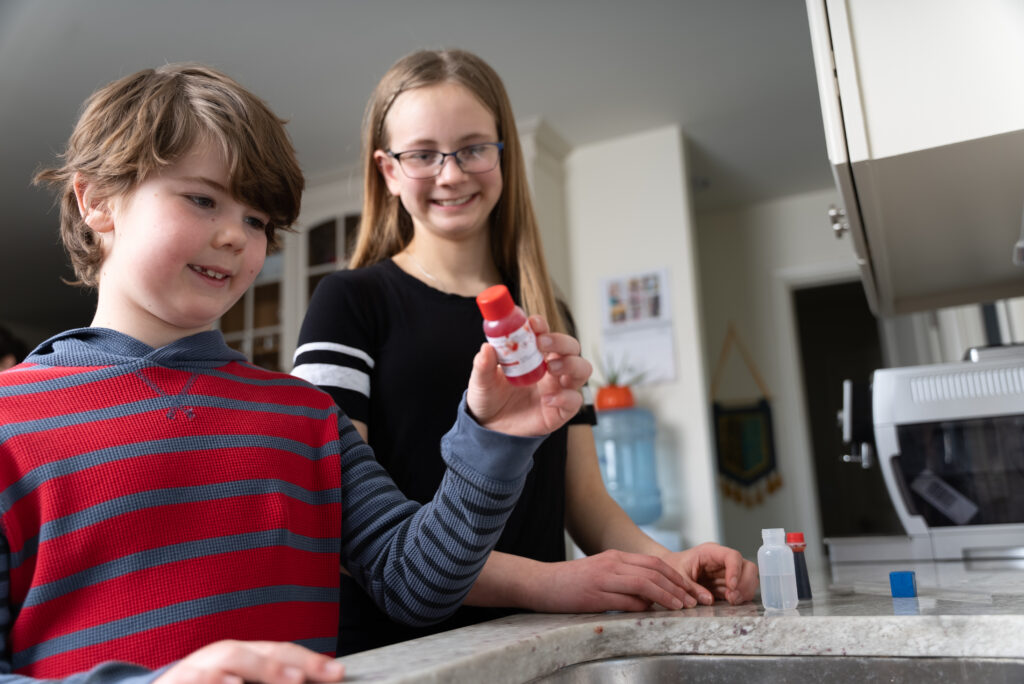
Remember: Grade levels are a guide. The goal is to help each child build understanding and confidence as they learn.
For families teaching multiple ages who fall in different Science Unlocked levels, consider which curriculum offers the best starting point for your group. You can then use the Teacher Guide’s adaptations to adjust expectations up or down for individual students. This approach may require a little extra preparation ahead of time, but it will likely be easier than planning and teaching multiple separate courses at once.
Make Science a Family Experience
Incredible science experiences and conversations happen when children learn alongside each other. One question leads to another, and suddenly, everyone has an idea they want to discuss!
With Science Unlocked, you can spend less time coordinating separate lessons and more time making discoveries together.
Ready to Get Started?
Explore Science Unlocked and find the right curriculum for your family.