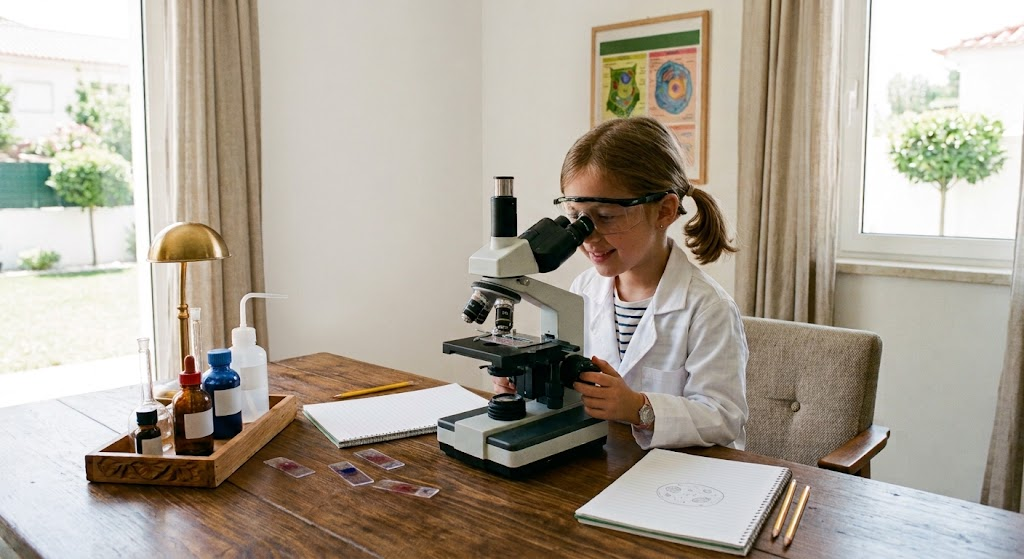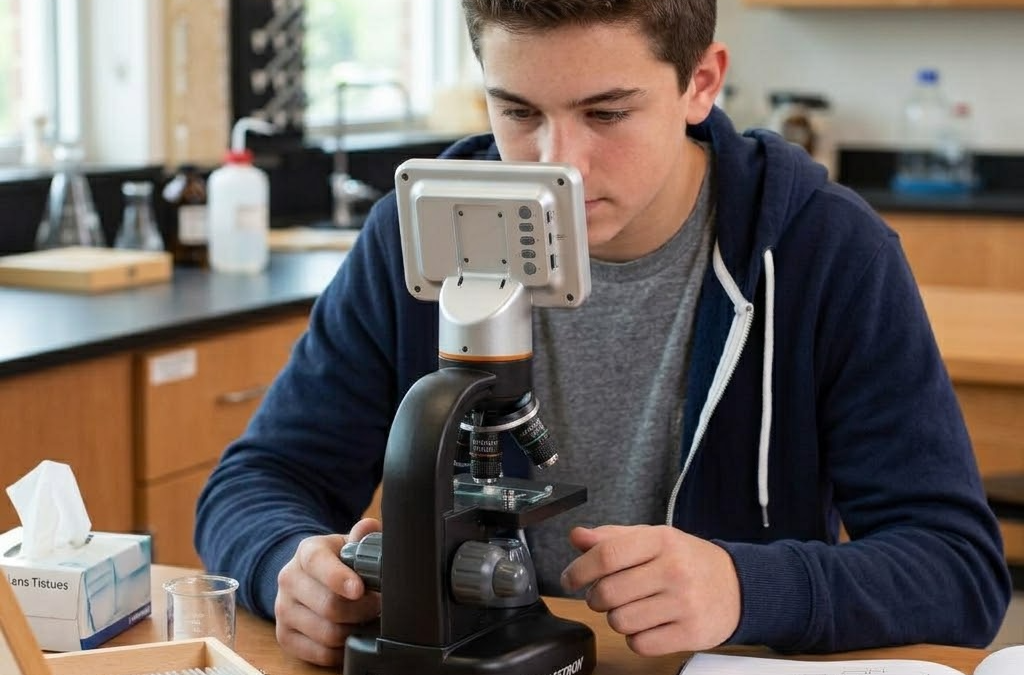
Learning becomes more engaging when children can explore ideas through active experiences. STEM Toys provide opportunities to investigate scientific concepts, experiment with problem-solving strategies, and develop practical skills in an enjoyable format. At Home Science Tools, we believe meaningful learning experiences begin with curiosity, and educational toys can help foster that interest from an early age.
STEM stands for Science, Technology, Engineering, and Mathematics. These subjects form the foundation of many modern careers and support valuable life skills. Educational toys, games, and kits introduce these concepts in approachable ways that encourage exploration and discovery.
Why STEM Learning Makes a Difference
Children benefit from activities that challenge them to think critically and test ideas. STEM-focused learning encourages observation, experimentation, and logical reasoning. These experiences help strengthen skills that support academic success and everyday problem-solving. Key benefits of STEM learning include:
- Critical thinking development
- Creative problem-solving
- Improved fine motor skills
- Greater confidence when tackling challenges
- Enhanced understanding of scientific concepts
- Increased interest in technology and engineering
Hands-on activities help transform abstract ideas into tangible experiences. Instead of simply reading about a concept, learners can build, test, observe, and draw conclusions.
Finding the Right STEM Toys for Different Age Groups
Children develop skills at different stages, making age-appropriate learning tools essential. The best educational toys provide challenges that match developmental abilities while maintaining a sense of fun.
Early Learners
Young children benefit from simple activities that encourage exploration and sensory engagement. Building blocks, robotic kits, weather experiments, and introductory science kits help develop coordination and spatial awareness.
These experiences introduce basic scientific thinking while supporting creativity and imaginative play.
Elementary-Age Students
As children grow, they become ready for more structured activities. Engineering, electronic kits, and beginner chemistry projects offer exciting opportunities to investigate new concepts.
Projects at this stage encourage experimentation and persistence. Children learn that trial and error is a natural part of the learning process.
Older Students
Preteens and teenagers can explore more advanced topics with detailed science kits and technical projects. Chemistry experiments, electronics kits, crime scene investigation kits, telescopes, and coding systems provide opportunities to apply classroom knowledge in practical ways.
These activities help reinforce scientific principles while encouraging independent learning.
Affordable Ways to Explore STEM
Educational learning tools are available across many budget ranges. Affordable options make it possible to introduce STEM concepts without a significant investment. Examples include:
- Magnetic thinking putty
- Crystal-growing projects
- Small engineering kits
- Beginner science experiments
- Nature exploration activities
These products provide engaging learning experiences while remaining accessible to many families and educators.
Frequently Asked Questions About STEM Toys
What does STEM stand for?
STEM stands for Science, Technology, Engineering, and Mathematics. These disciplines encourage analytical thinking, creativity, and problem-solving while helping students understand how different fields connect.
At what age should kids start playing with STEM toys?
Age-appropriate STEM activities are available for children from toddler years through the teenage years. Early exposure helps develop curiosity, observation skills, and confidence with hands-on learning.
Are STEM toys only for kids interested in science?
No. These learning tools benefit children with many different interests. Activities help develop critical thinking, creativity, communication, and problem-solving skills that support learning across subjects.
How do I choose a high-quality STEM toy?
Look for products that are durable, age-appropriate, and designed to encourage exploration. Open-ended activities that allow experimentation can provide lasting educational value. Home Science Tools offers carefully selected products from trusted educational brands.
Can STEM toys be used in a classroom or homeschooling environment?
Yes. STEM learning resources work well in classrooms, homeschool programs, after-school activities, and independent study. They can reinforce curriculum topics, support hands-on projects, or introduce entirely new concepts.
Supporting Learning at Home and in the Classroom
Educational toys serve many purposes beyond entertainment. Teachers, homeschool families, and parents frequently use STEM-based resources to reinforce lessons and encourage independent exploration.
Learning kits can supplement classroom instruction, provide enrichment activities, or support project-based learning. Their flexibility makes them valuable educational tools in many settings.
At Home Science Tools, we carefully select products that combine educational value with durability and reliability. Our goal is to provide resources that support meaningful scientific exploration while withstanding repeated use.
Science projects can become messy, especially when curiosity takes over. That is why our products are designed to handle active learning environments. When questions arise, our knowledgeable customer service team is available to help with product guidance and educational support.
Explore STEM Learning with Home Science Tools
Curiosity drives discovery, and educational experiences help transform questions into understanding. At Home Science Tools, our collection of STEM Toys, games, and science kits supports learners at every stage of development. From beginner projects to advanced experiments, our products encourage exploration, creativity, and scientific thinking. Check out our selection today to discover new ways to make learning engaging, memorable, and fun.