Teaching Resources & Guides > Science Lessons > Microscope Slide Stains 

Microscope Slide Stains

You will find stains needed to prepare microscope slides in the Chemicals section. Common stains and their uses are as follows:

  • Iodine: Stains carbohydrates in plant and animal specimens brown or blue-black. Stains glycogen red.
  • Methylene blue: Stains acidic cell parts (like nucleus) blue. Use on animal, bacteria and blood specimens. Can be used as a substitute for Janis B Green.
  • Eosin Y: Stains alkaline cell parts (like cytoplasm) pink. Use on plants, animals and blood. Can be used as a substitute for Congo Red and Carmine.
  • Toluidene blue: Stains acidic cell parts (like nucleus) dark blue. Good to show mitosis in plant cells.
  • Wright’s stain: Stains red blood cells pink/red.
  • Crystal Violet: Stains bacteria purple.
  • Aceto-orcein: Biological stain for chromosomes and connective tissue.
  • Sudan III: Biological stain used as a lipid indicator.

More Information:

  • Looking for a microscope? Check out all our affordable microscopes!
Teaching Homeschool

Welcome! After you finish this article, we invite you to read other articles to assist you in teaching science at home on the Resource Center, which consists of hundreds of free science articles!

Shop for Science Supplies!

Home Science Tools offers a wide variety of science products and kits. Find affordable beakers, dissection supplies, chemicals, microscopes, and everything else you need to teach science for all ages!

Related Articles

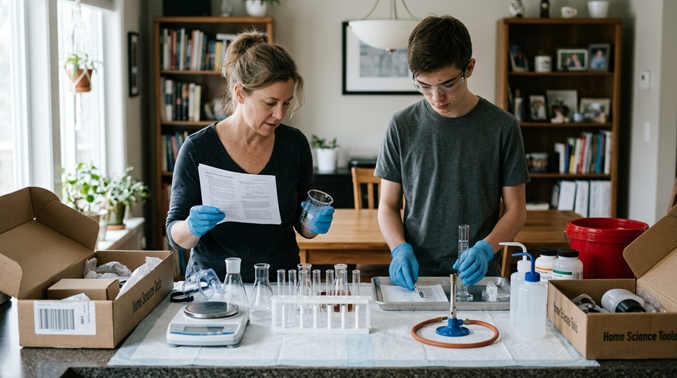
3 Lab Equipment Sets for a Successful Homeschool Chemistry Lab

3 Lab Equipment Sets for a Successful Homeschool Chemistry Lab

A well-planned homeschool chemistry lab gives students a practical setting for exploring scientific concepts. The right tools support accurate measurements, safe procedures, and hands-on experimentation. For families beginning a chemistry course, selecting equipment...

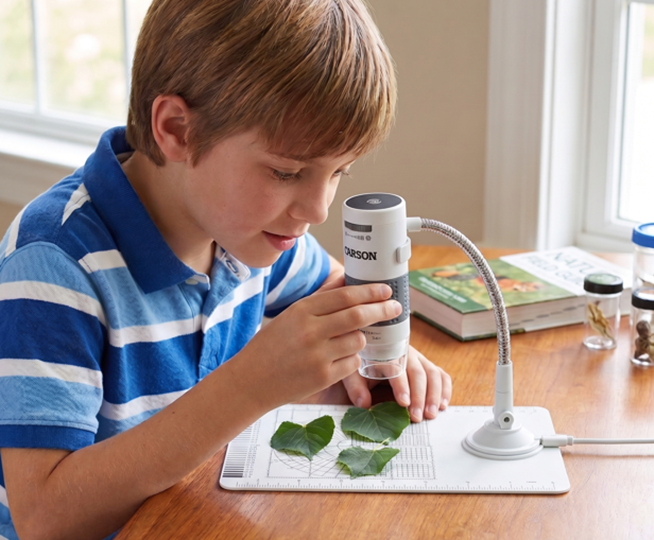
Fun Science Activities to Try at Home With a Digital Microscope

Fun Science Activities to Try at Home With a Digital Microscope

Science activities at home can turn ordinary afternoons into memorable learning experiences. A digital microscope gives children and families a chance to explore details that are impossible to see with the naked eye. From plant cells to fabric fibers, small...

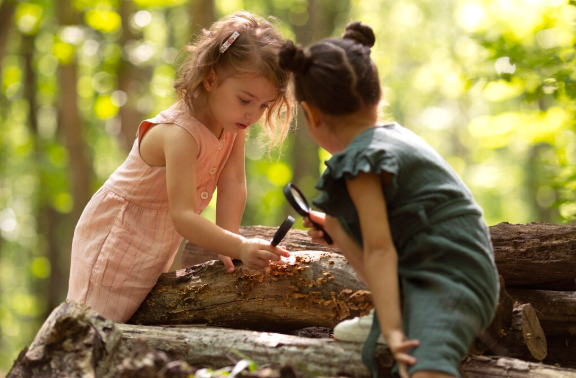
Making Science Fun with Outdoor Toys for Kids

Making Science Fun with Outdoor Toys for Kids

Childhood is filled with questions, discoveries, and small moments that shape how the world is understood. Around the age of four, curiosity becomes more intentional. There is a growing interest in how things work, what things are made of, and why nature behaves the...

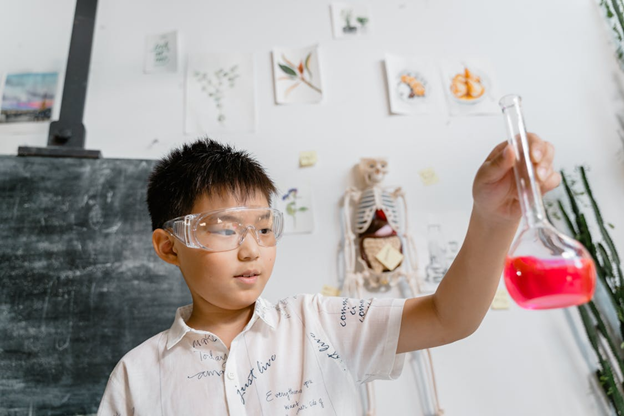
Recreating Famous Science Experiments at Home

Recreating Famous Science Experiments at Home

Science history isn’t just something to read about in a textbook; it’s something that should be experienced firsthand. At Home Science Tools, we believe some of the most powerful learning happens when students do science, not just study it. Many of the world’s most...

should I learn computer coding