Creating a STEM-friendly home environment makes scientific exploration more accessible and enjoyable for both kids and parents. Whether you’re homeschooling or simply encouraging curiosity at home, a thoughtfully prepared space and the right tools can help nurture your child’s interest in science, technology, engineering, and math.
Setting Up a Stem-Friendly Home Environment
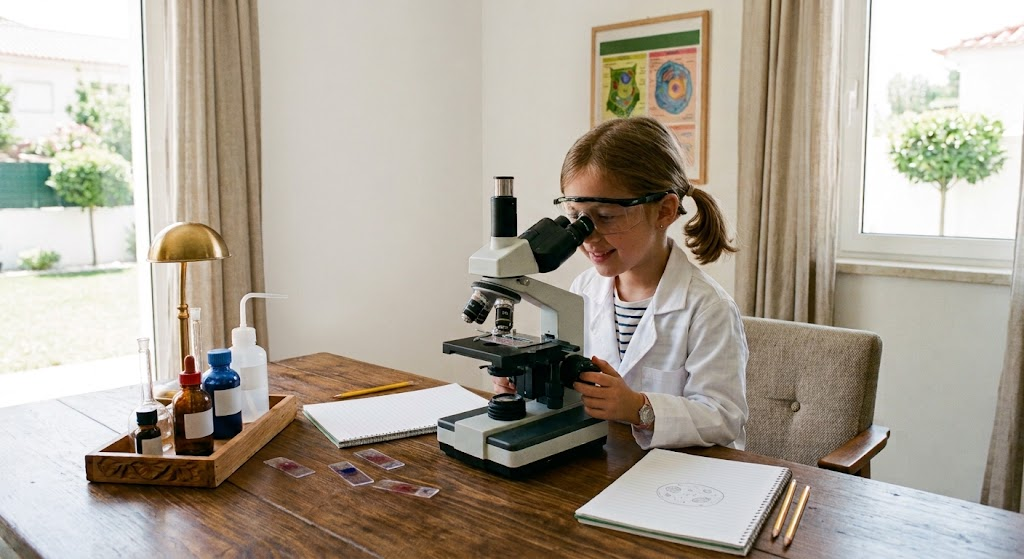
You don’t need a full lab to start STEM learning at home—just a small, dedicated space. Here’s what to include in your DIY science corner:
- First, save yourself major headaches and messy cleanups but ensuring washable surfaces for messy experiments
- Then, be sure to have good lighting to observe details clearly
- Storage is especially helpful, specifically for science tools, collections, and journals
- Also, consider having display space for ongoing projects and natural specimens
- Finally, easy-to-clean flooring or a protective mat to catch spills is always a plus in these environments!
As a result, these simple changes create a reliable space for hands-on STEM activities.
STEM Tools Every STEM-Friendly Home Environment Needs
Equip your science corner with STEM tools, specifically age-appropriate STEM tools, to make every activity engaging and educational.
General Science Tools (Great for All Ages) for Your Stem-Friendly Home Environment
- Magnifying glasses (varied strengths)
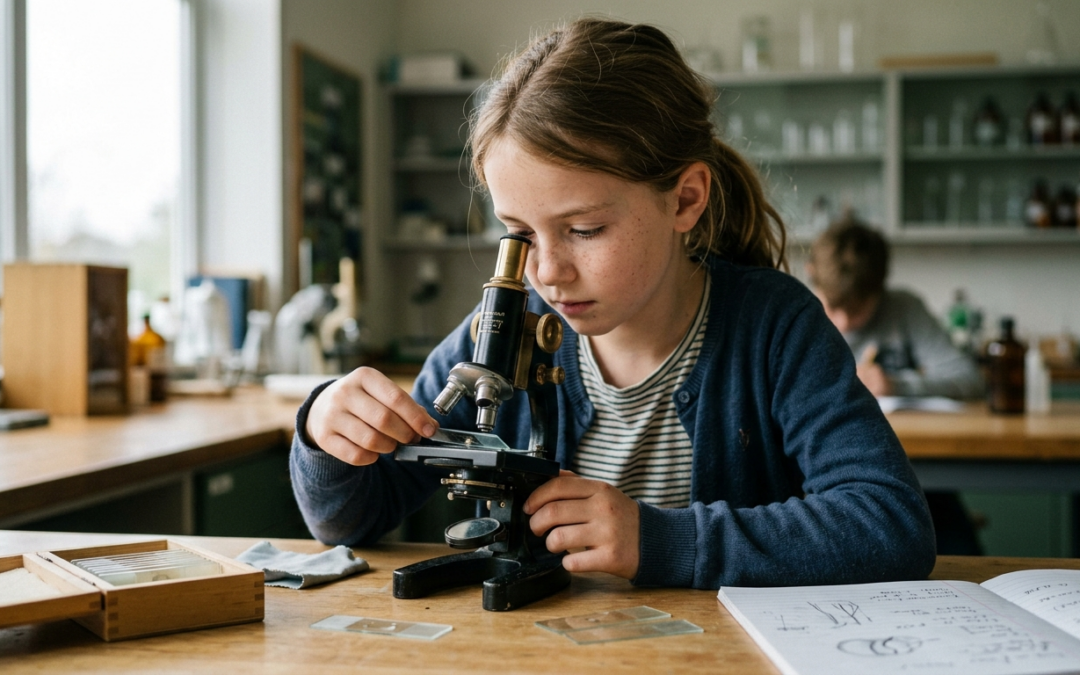
- Science notebooks and observation journals
- Colored pencils for scientific drawings
- Measuring tools (rulers, scales, graduated cylinders)
- Containers and trays for sorting materials
- Flashlight for exploring shadows and dark corners
For Budding Paleontologists
- Soft brushes for “fossil” digs
- Clay or plaster to make fossil impressions
- Beginner-friendly fossil field guides
Future Geologists, This is For You
- Rock hammer (for older children, with supervision)
- White vinegar for testing limestone
- Unglazed ceramic tile for streak testing
For Aspiring Entomologists
- Bug viewers with built-in magnification
- Butterfly nets
- Soft paintbrushes for safely moving insects
Not only will these hands-on tools make STEM learning interactive and meaningful, but they can be right in your living room or backyard!
Encourage Scientific Thinking Through Conversation
What you say matters. Therefore, everyday questions are powerful tools for developing your child’s scientific reasoning skills!
Ask Questions Like:
- “What do you notice about this?”
- “How do you think it works?”
- “What might happen if we changed something?”
- “How could we test your idea?”
- “How is this similar to or different from what we saw before?”
When Your Child Asks “Why?”
- Respond with: “What do you think?” or “Let’s find out together.”
- If you don’t know, model curiosity: “Great question! Let’s look it up!”
As a result, these habits develop critical thinking, observation skills, and scientific confidence over time.

Balance Structure with Free Exploration
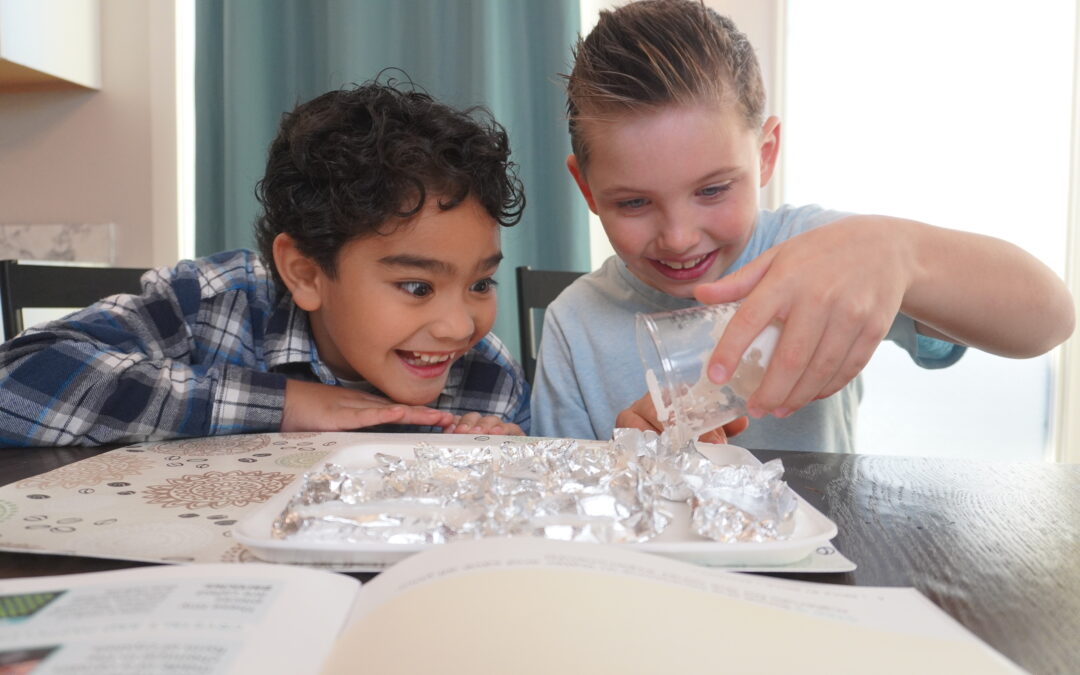
Kids thrive when they have a balance of structured STEM lessons and open-ended discovery.
- Use step-by-step science kits or activity guides to introduce new skills.
- Then, let kids explore with materials in their own way—ask open-ended questions to guide discovery.
- Start with a guided project, then encourage independent experimentation.
This balance nurtures creativity, independent thinking, and a lifelong love of learning.
Document Their Science Journey
Keep a record of your child’s scientific discoveries. Overall, it builds confidence and shows growth over time.
- For example, you can maintain a science journal with dates and sketches
- Include photos of experiments and collections
- Save findings, in particular, in a digital folder or binder
- Revisit old projects together and reflect on new learning
Showing how understanding changes with evidence teaches the heart of the scientific method.
Final Thoughts: Nurturing Curious Thinkers with a STEM-Friendly Home Environment
In sum, the activities you do at home—from observing bugs to testing vinegar on rocks—aren’t just educational… they’re transformative!
Therefore, by creating a STEM-friendly home, you’re helping your child:
- Build critical thinking and problem-solving skills
- Foster curiosity and creativity
- Connect learning to the real world
- Develop confidence through hands-on discovery
You don’t need to be a science expert. In fact, all you need is a willingness to explore and learn together. Start small. Try one activity. Then, create a consistent “science time,” and let curiosity lead the way.
Safety Guidelines for At-Home Science Activities
Always follow basic safety tips to keep STEM learning safe and fun:
- Wash hands after handling rocks, soil, or insects
- Never put natural materials in the mouth
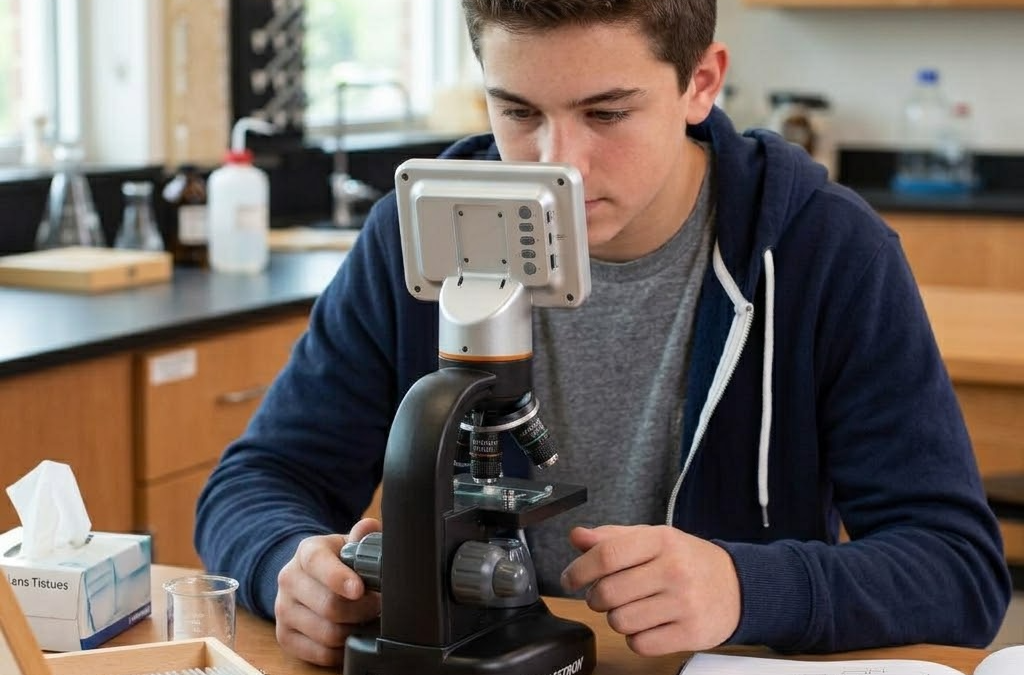
- Use eye protection when needed
- Supervise tools, chemicals, and heat
- Handle insects cautiously—observe and release
- Be aware of dangerous plants or animals in your area
- Check for allergies before bringing natural items into shared spaces
By making science approachable, exciting, and part of everyday life, you’re setting your child up for a lifetime of learning. Whether they become a biologist or a builder, the skills they develop at your kitchen table today will support whatever future they choose tomorrow.