What is a STEM Fair Project?
A STEM fair project is similar to a science fair project. It focuses on science, technology, engineering, or math. STEM fair projects are a fantastic way to introduce young scientists to the world at large and provide opportunities for scholarships and employment.
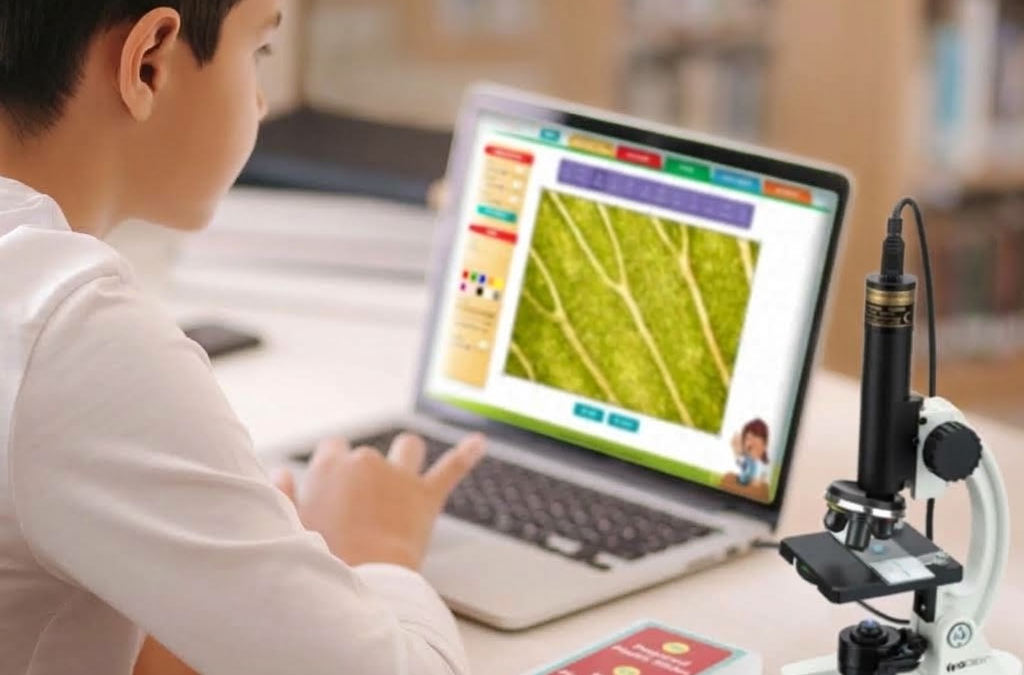
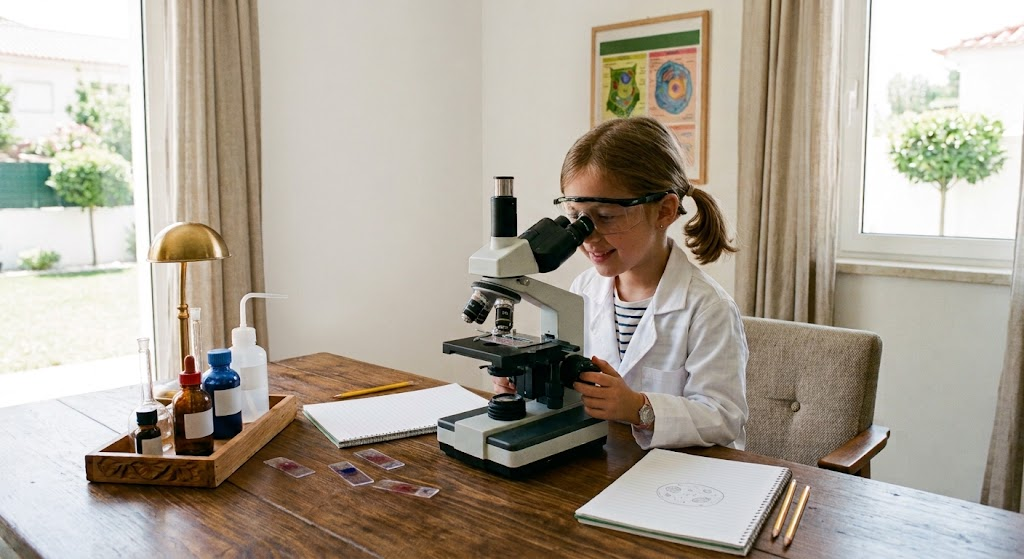
STEM fair projects are exciting but require some fundamental knowledge. A fantastic way to teach kids the basics of science and engineering is with a STEM educational toy or an experiment.
Once a student comprehends the broad concepts, it’s time to look into attending or even competing at a STEM fair.
Choosing a STEM Fair Project
The beauty of STEM is its vastness. STEM project ideas can be found in everything from biology and bridge engineering to artificial intelligence and algebraic algorithms. A student should choose a field that they are passionate about. Some students dislike math but love chemistry–the key is ensuring the project is enjoyable.
STEM fairs aren’t run-of-the-mill science fairs. They showcase cutting edge ideas from young minds around the world. Ideas should be original in concept or significantly improve existing systems. This is at the heart of what a STEM project is.
Sometimes, a working product is not necessary, only proof of concept or experimental results. Projects like this require significant evidence and a flashy sales pitch to entice judges and investors. Knowing how to stand out is important.
If possible, solving a real-world problem is the holy grail of a STEM project. Passionate minds can study the world around them for inefficiencies. With a bit of thought and some experimentation, they can win a scholarship and maybe change the world while they’re at it. Even if a student manages to solve a problem or prove their hypothesis, however, they still need to convince others.
Showcasing the Project
Everything about a STEM fair project should draw people’s attention. Things like math theorems don’t often have a line of people waiting to see them. There are ways to help give a project life and keep people interested.
Make eye-catching displays that provide a broad outline of what your project is about. Eye-popping cryogenic glass clouds aren’t always necessary; sometimes, a clear and colorful diagram that showcases the work is all that’s needed. The goal is to have attendees ask questions–this is what makes a quality STEM fair project.
From a crowd-interest perspective, interactive projects are perhaps the best of all. Anything that fair attendees can touch, feel, or engage can be a standout. Consider color-changing fluids, interesting textures, and unique inventions to make people take notice.
STEM for Starters
Geniuses aren’t made overnight, but they can be taught. Home Science Tools has everything a parent needs to help foster their child’s interest in science and technology. Chemistry, biology, medicine, robotics, and electrical engineering are just a few of the kits available.