What is a STEM Project?
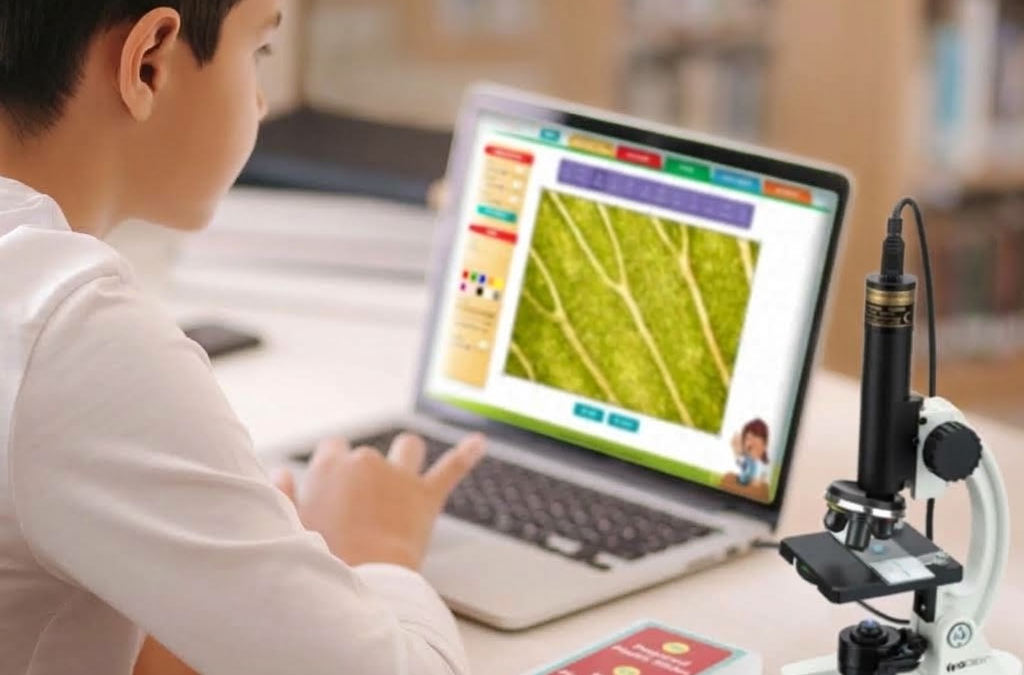
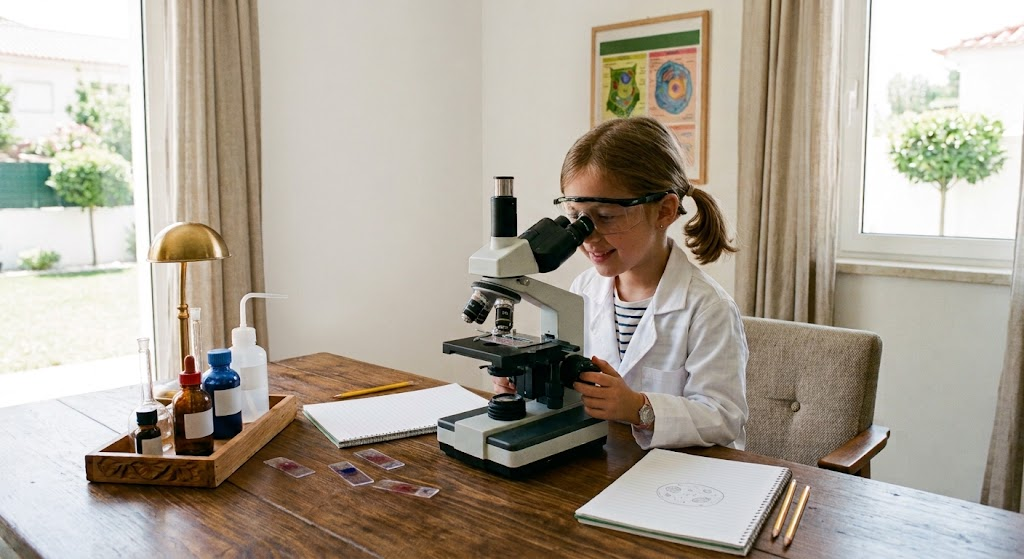
A STEM project is an educational project designed to demonstrate skills in science, technology, engineering, or math. It often involves hands-on tasks that teach children foundational knowledge while improving critical thinking skills.
STEM toys for ten year olds and advanced science kits for older kids are great ways to encourage STEM skills. Using what they’ve learned with these kits, kids can go on to attempt advanced STEM projects and perhaps even compete in real-world competitions. These STEM fairs are held all over the world and regularly showcase world-class talent with young creativity.
What Makes a STEM Project?
STEM projects don’t have to be a full science fair presentation in front of thousands of people. A STEM project can be any science, technology, engineering, or math project. Ideally, it will combine two or more disciplines, but it doesn’t have to.
The most important part of a STEM project is that the creator is passionate about it. No one can be forced to become a chemist–they need to love it. A STEM project does not need to achieve its goal to be successful.
The measure of success for a STEM project is learning. Sometimes, that comes from meeting goals. Other times, it means learning what went wrong. Either way, the student who worked on the project should gain new knowledge that they can apply to future projects and academics.
Examples of STEM Projects
What is a STEM fair project? STEM fair projects have moved far beyond baking soda and vinegar volcanoes. Today, STEM projects often involve technology, and they can be tiny or huge in scope.
A STEM project might be building an effective water filter using everyday materials. Another might be more ambitious, using 3D printers to create novel solutions to simple problems.
The only limits of a STEM project are budgets and imagination. A STEM project that performs well at a fair may one day become a real product if it finds investors interested in expanding the idea. Remember–in a STEM project, there are no losers, only learners.
Benefits of STEM
Starting STEM learning as early as possible can help inspire young minds to join STEM fields. The goal doesn’t need to be about landing a job as a scientist or engineer just yet–the goal should be to learn about science and technology and gain critical thinking skills along the way.
The Future of STEM
Artificial intelligence, augmented reality, and virtual reality are the future. We are already beginning to see STEM education examples in the online world. The best way to get young minds interested in the virtual possibilities starts with the hands-on experience they can learn with STEM learning kits.
Home Science Tools has a variety of STEM learning kits to help kids engage science and technology in fun ways. Kits are available for learners of all ages, ranging from single experiments to multi-step kits that teach skills from basic to advanced. Examine everything that Home Science Tools has to offer and see how we can help jumpstart a future STEM enthusiast.