Types of Homeschool Programs
The types of homeschool programs available to parents are varied. Some more popular ones are traditional homeschooling, Montessori, Charlotte Mason, and unschooling. The goal should be to foster an environment where your child wants to learn rather than being forced to learn.
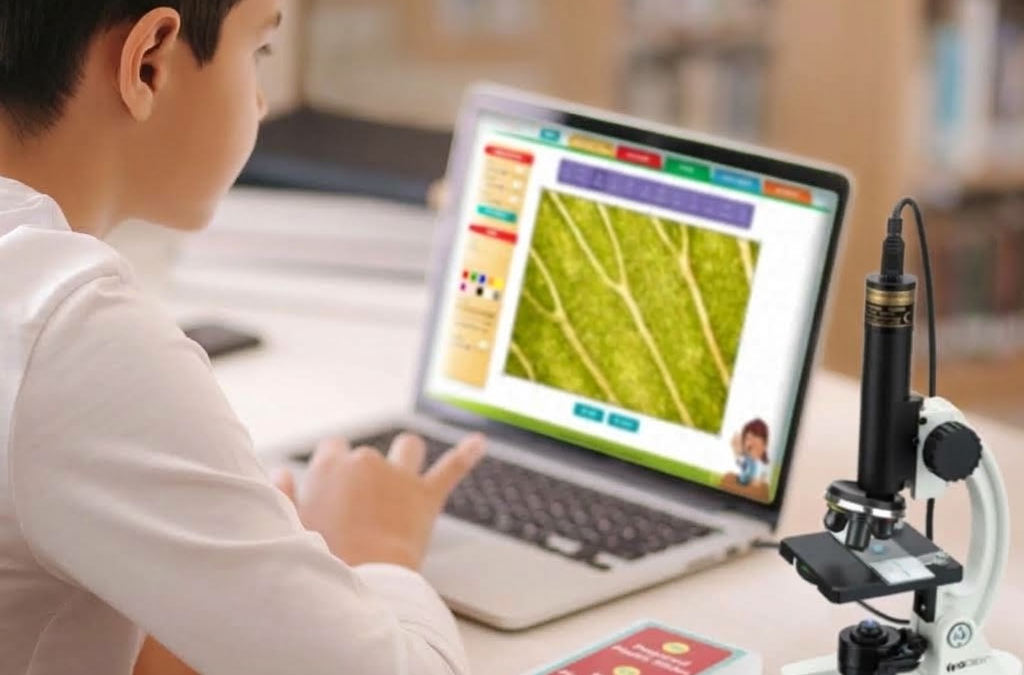
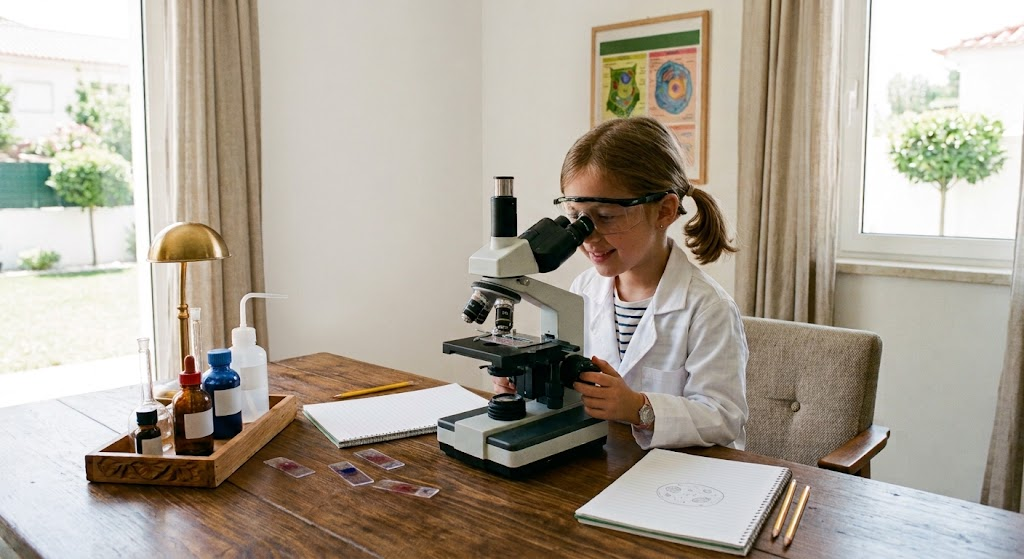
An excellent way to keep children engaged is by using a homeschool science curriculum with experiments. These can be incorporated into a multitude of programs.
When choosing a program, parents also need to consider how much they want faith to play a part in their children’s education. Faith-based education is a major driver of the homeschool world. Those disinterested in faith might ask, “What is secular homeschooling?” The methods below are inherently secular, but each family can choose to introduce faith lessons as part of the curriculum.
Traditional Homeschooling
Traditional homeschooling means taking the standard public school curriculum and bringing it into the home. This type of homeschooling may be right for children who already excel in a public school environment and are comfortable with book learning.
Parents may also opt for this route because it makes it easier to transition back into public school if necessary. Students can readily test back into their appropriate grade level, as they were already following along at home.
Montessori
Montessori has gained significant popularity in the last two decades. Its open-minded approach to education is favored by parents and students alike. Its schools are on every continent and more are built each year. Because of this, Montessori is also popular with homeschoolers.
Montessori focuses on children learning at their own pace in the subjects they enjoy. Dedicated time is set aside each day for a child to choose what they want to work on, and the rest of the day is set aside for traditional subjects taught in an open forum.
The strength of Montessori lies in its encouragement and self-empowerment. It also focuses on hands-on learning, such as fun science experiments and time in nature. These create an atmosphere where children actively seek out new skills and knowledge.
Charlotte Mason
Charlotte Mason is similar to Montessori, but more tailored for the homeschool environment. It seeks to captivate children’s imaginations with hands-on learning and vivid literature.
Traditional textbooks present information in a dry format that many children find disinteresting. For a history lesson, Charlotte Mason might encourage reading and discussing ‘living books.’ These stories take place at pivotal points in history written by people who were there.
For the knowledge that they can see and touch, Charlotte Mason emphasizes nature walks to familiarize children with the biological world. Finally, many of its classes are shortened to around twenty minutes per subject with young children. At later ages, this may be lengthened to forty-five minutes. This helps keep childrens’ brains active as they jump from subject to subject.
Unschooling
In short, unschooling throws the textbooks out the window. The rigid environment of learning, reviewing, quizzes, and tests are gone. Unschooling means different things to different parents and children, so it is up to each to find a learning style that works.
The foundations of unschooling are allowing children to learn what they are interested in, allowing them time to follow their passions and interests. While unschooling is great from a child’s perspective, parents must be actively engaged, ensuring that while a child follows their own path, they receive a well-rounded education.
While some students excel at science, they may be uninterested in math entirely. Unschooled children need a guiding hand in areas they may struggle with. Many parents find it helpful to join local ‘unschooling’ clubs where students come together to learn skills their peers have mastered.
Which Is Right for Your Child?
Planning for homeschool requires an honest conversation with your child. Try and understand their passions, their struggles, and their preferred learning styles, and don’t be afraid to experiment. The beauty of homeschooling is that the parents and children can decide for themselves!