Teaching Resources & Guides
The journey of scientific discovery often begins with a single moment of wonder. For children and adolescents, the ability to see the intricate details of a honeybee’s wing or the complex cellular structure of a leaf can spark a lifelong passion for the STEM fields....

Teaching Resources & Guides
The pursuit of scientific knowledge is most effective when it moves beyond the pages of a textbook and into the hands of the learner. Sensory engagement and active experimentation foster a deeper understanding of complex concepts, turning abstract theories into...
Product Resources & Support
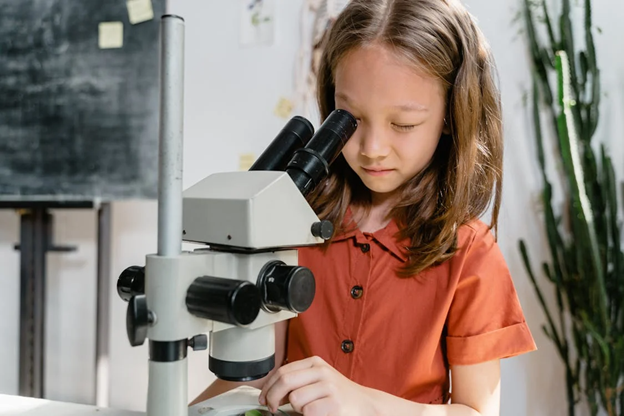
The natural world is full of wonders that remain invisible to the naked eye. A plain, gray pebble found in a garden might appear to be nothing more than a mundane object destined to be ignored. However, under the lens of a microscope, that same pebble transforms into...

Teaching Resources & Guides
The Decision Point If you’re reading this, you’ve already done the hard work. You have recognized that science is not an enrichment activity or an occasional project. It is a foundational literacy skill that strengthens reading, mathematics, and critical thinking...