Teaching biology at home to elementary-aged kids can feel a little intimidating at first. After all, biology is the science of life, and life is wonderfully messy, curious, and complex. The good news is that young children are naturally wired for biology. They ask endless questions about animals, plants, bugs, and their own bodies. Anything that moves, really.
A homeschool biology curriculum doesn’t need to be heavy or technical to be effective. It just needs to be engaging, age-appropriate, and connected to the real world that your child already loves to explore. Here’s how to teach it:
Understanding Elementary-Level Biology
At the elementary level, biology should be about observation, curiosity, and building a foundation for scientific thinking, not memorizing scientific terms or drawing perfect cell diagrams. Approaching biology as a story about life rather than a textbook subject can make it far more meaningful. Children should learn that living things grow, change, and interact with their environment.
Instead of focusing on strict outcomes, think in terms of exposure. You are planting seeds of understanding that will grow over time. A child who understands that plants need water and sunlight, or that animals have habitats, is already doing real biology. Keep lessons flexible and responsive to your child’s interests, and you’ll find that learning will happen naturally.
Choosing the Right Homeschool Biology Curriculum
Selecting a homeschool biology curriculum for elementary students starts with knowing your child’s learning style. Some kids thrive with colorful workbooks and short readings, while others learn best through hands-on experiences. Look for curricula that use simple language, lots of visuals, and real-life examples. A strong curriculum should encourage exploration rather than overwhelm your child with facts.
It also helps to choose a curriculum that allows you to move at your own pace. Homeschooling gives you the freedom to slow down when something sparks excitement or to move on when your child’s interest fades. Biology works best when it feels like discovery, not pressure. If a curriculum invites questions and leaves room for curiosity, you’re on the right track.
Making Biology Hands-On and Relatable
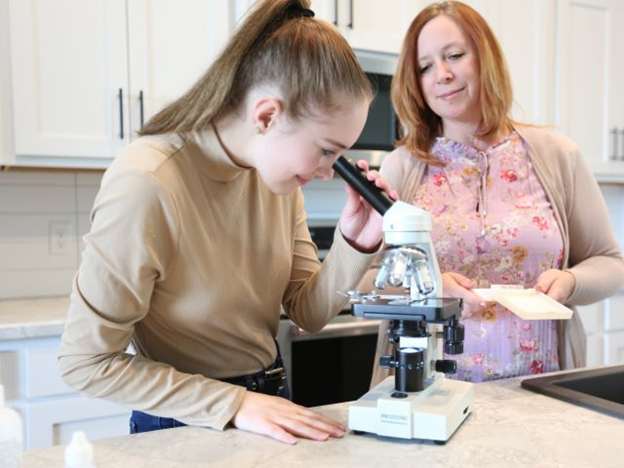
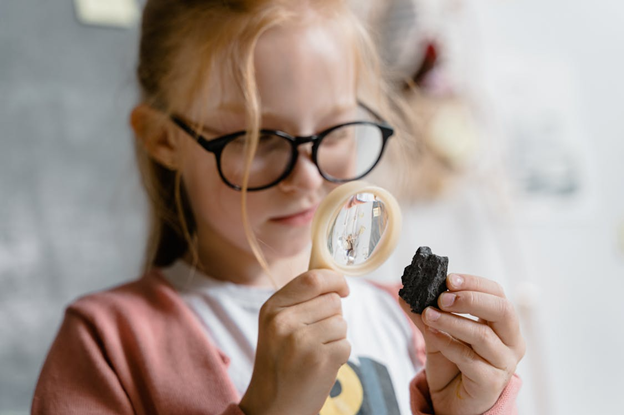
The subject of biology comes alive when children can see it, touch it, and experience it. You don’t need a lab or any fancy equipment to teach life science effectively: your backyard, kitchen, or the local park can all become a biology classroom. Watching seeds in a jar sprout, observing insects on a walk, or noticing how a pet behaves are all valuable learning moments.
When children connect biology to their daily lives, the lessons stick better. Talk about digestion while eating lunch or discuss plant parts while watering flowers. These small connections reinforce big ideas in a natural way. The goal is to help children realize that biology isn’t just a subject; it’s a way of understanding the living world around them.
Using Stories, Books, and Media to Teach Biology
Elementary-aged children learn incredibly well through stories. Biology concepts can be woven into picture books, nature stories, and simple documentaries designed for kids. Reading about animals, ecosystems, or the human body helps children absorb information without feeling like they’re studying.
When used thoughtfully, videos and educational shows can also support your homeschool biology curriculum. Short, engaging clips can explain complex ideas in a way that feels accessible to children. The key is balance. Media should spark conversation and curiosity, not replace hands-on learning. After watching or reading, ask your child what they noticed or what surprised them. Discussions like these will deepen their understanding and encourage them to think critically.
Keeping Biology Lessons Fun and Low-Pressure
Learning should feel joyful, not forced, especially at the elementary level. For younger children, short lessons are often more effective than long ones. A homeschool biology curriculum works best when it fits into your routine without becoming overwhelming. Some days might include a focused lesson, while others may involve observing nature or reading a related book.
At this age, you want to celebrate your child’s curiosity rather than correctness. There’s no need to test or formally assess them frequently just yet. Instead, take note of how your child talks about what they’ve learned thus far. If they can explain ideas in their own words or notice patterns in nature, that shows real understanding.
It’s important to remember that teaching biology to elementary-aged children at home is about laying a foundation, not mastering every topic. When children feel comfortable exploring living things and asking questions, they’ll be better prepared for more advanced science later on. A positive early experience with biology can shape how they feel about related subjects for years to come.
By keeping lessons engaging, flexible, and connected to everyday life, you turn biology into an adventure rather than an assignment. Life science is all around us, and when children learn to see it, they begin to understand the world in a deeper, more meaningful way.