Baby Animals
Why are baby animals born in spring? Many animals have their young as the days are getting warmer, and plenty of food is available. Spring is a great time to see kittens, chicks, lambs, or other baby animals! You can learn more about why animals have babies in the spring.
Do you know what the names of different baby animals are? What is a baby cow called? Some of these names may surprise you!
- A baby bear is called a cub.
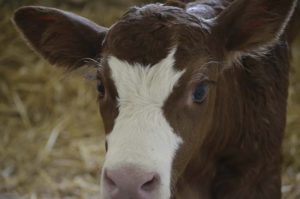
- A baby cow is called a calf.
- A baby fish is called a fry or fingerling.
- A baby goat is called a kid. A mother goat is a nanny.
- A baby horse is called a foal.
- A baby kangaroo is called a joey.
- A baby sheep is called a lamb. A mother is a ewe.
- A baby monkey is called an infant.
- A baby pig is called a piglet. A mother pig is a sow.
- A baby platypus is called a puggle.
- A baby spider is called a spiderling.
- A baby swan is called a cygnet.
What other names of baby animals do you know? Test your knowledge with this Animal Babies Coloring Page.
Baby Animal Science Projects
Are you a kid looking for more information about baby animals? Or an adult looking for awesome science experiments for kids? Check out seven wonderful projects and worksheets below.
- Observe Animal Babies – visit a zoo, wildlife reserve, or even your backyard or local park to see baby animals in action this spring. You could also visit a farm supply store to see chicks and ducks, or a pet store to see kittens and pups.
- Make an Insect Habitat – have you found a ladybug, beetle, or ant outside? Make a habitat it will thrive in with this project.
- Make a Bird Feeder – use simple household supplies to make four different kinds of feeders! Attract birds to your yard this spring.
- Make a Bird’s Nest – mimic the design you see in nature with this fun and crafty project! Use natural materials like twigs, grass, and mud.
- Hatch Chicks – Learn to care for newly hatched chicks with this science lesson. This project is perfect for spring! Use an incubator and eggs.
- Learn the Ladybug Life Cycle – use this cut and paste worksheet to learn the four stages of a ladybug’s life, from egg to adult.
- Amazing Butterfly Metamorphosis – watch our video to see a baby butterfly (larva) turn into a beautiful winged insect. Plus, learn how to grow your own with a butterfly habitat!