Engineering Activities for Students
Why Do Engineering Activities with Students?
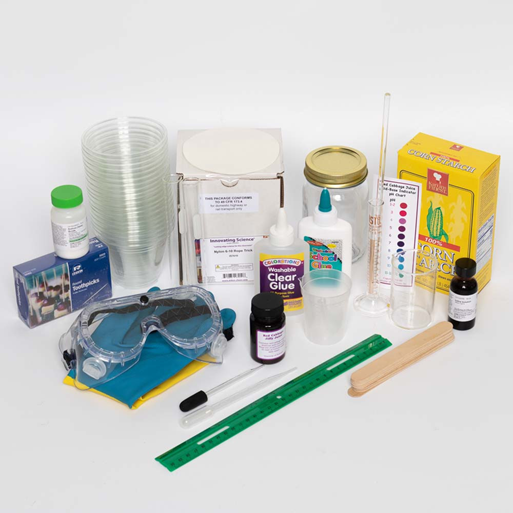
With the rapid expanding of technology and engineer-related fields of study, educators are always seeking new ways to keep their classrooms up to date! And with new standards like the Next Generation Science Standards (NGSS) and an increased focus on encouraging girls especially to study in STEM (Science, Technology, Engineering & Mathematics) fields, there are great reasons to do hands-on activities with your students on these topics. You can find complete kits on our engineering page or read on for DIY project ideas.
Engineering Activities = FUN Ways to Explore Physics Concepts
By nature, this field of study requires knowledge of physics principles like work, force, mass, gravity, simple machines, lift and thrust, and density. But the exciting news is exploring these concepts can be fun! Take the approach of asking questions and experimenting to guide your kids’ learning.
Use the following engineering activities for your students to get started exploring this essential STEM subject! Most of these projects are aimed at an upper elementary/middle school age, but they can be adapted for whichever grade levels you are teaching. (See our Preschool Engineering Activities for ideas for younger kids!)
Go Faster
Have your class use different sizes and weights of toy cars to test when increased mass might make a vehicle go slower or speed up. To add more mass to a car, you can have kids tape on more and more weight to the back of it, being careful not to impede the wheels’ movement. You’ll need a scale and stopwatch for comparisons and an inclined plane or track for the cars to move down.
Which Blades Are Best?
Can your class design different types of wheels or fan blades for a windmill or water wheel? First, look at a few pictures of real-life examples. Then use cardboard, plastic yogurt carton or peanut butter jar lids, or paper plates to create your wheel or fan shape. Use wooden skewers or pencils as the axis the wheel turns on.
When this engineering activity is over, be sure to ask your students what they think made one style of fan blade or wheel (or material, etc.) more effective than another. Does a water wheel need a different design than a windmill?
Experiment with Gears
This calls for some upcycling! Use broken or unwanted toys with wheels and motors, like pullback cars, and let your class take the toys apart to pull out the gears and motors. You can find small screwdrivers at the dollar store or hardware store to make this task easier. Once you have a collection of gears, set them up so they’re each touching the adjacent ones and are attached to an axle on a piece of Styrofoam to hold them in place. Explore different set-ups and consider how gears can make work easier!
Build a Dam
This is a good project for outside on a warm day. Use twigs, Lego bricks, rocks, or something else to create “walls” across a mock stream bed. What happens when the water is blocked (dammed) up? Why do engineers also make reservoirs to store water? You can create a reservoir too, by creating a wide and shallow hole for the water to flow into and layering it full of small rocks.
There Goes Gravity
With this project, explore some of the principles that a rocket scientist needs to know. All you need is a long piece of string, plastic or paper straws, tape, and balloons. Tie one end of the string to something unmovable (e.g. the knob on a closed door). Strech the string tight and then, with assistance, attach a blown-up (but not tied) balloon to one end of a straw and slide the straw onto the end of the string, with the balloon pointing backward.
Once the string is pulled taut and you’re ready to let it fly, release the end of the balloon. The thrust from air leaving the balloon will push the straw forward, the same as thrust propels a rocket into the air!
A Final Note: Don’t Stop Exploring
Use these engineering activities as a springboard for inspiring your students to explore more on their own or in the classroom. Who knows how many will go on to success in STEM-related lines of work as a result?