Best Age to Start Homeschooling
Determining the right age to begin homeschooling can be confusing. There’s no ‘best age’ to start this educational journey because each child is different, and circumstances can also impact the ideal time. We know the early years are the optimal time to educate children, but the method of learning they start in isn’t always what’s best for them later on.
In this post, we’ll dive into each age group and discuss everything parents should consider when deciding when to homeschool their kids.
Preschool Through Kindergarten
Whether your children will be taught at home or not, early childhood is the ideal time to start their educational journey. Their little minds are like sponges soaking up the world around them. Many parents begin homeschooling in preschool with children as young as three.
This age is naturally curious and will be drawn to storytelling, art, and hands-on exploration, such as an interactive homeschool science curriculum for kindergarteners. Very young children typically aren’t interested in a classroom-type structure, but keeping them active will help keep their attention.
As you begin homeschooling, you may wonder if homeschool supplies are tax deductible. Unfortunately, at the federal level, there are no tax breaks for families, but some states offer relief for homeschoolers.
Elementary School
Children attend elementary school from first to fifth grade. This time offers homeschooling families the opportunity to build a love for learning by expanding their foundational skills with core subjects‒science, math, reading, and writing.
Homeschooling at this age allows parents to choose a learning plan tailored to their child’s pace and style. For example, if your child struggles to sit still, a lesson on plants and photosynthesis could include a nature walk to observe local flora instead of sitting in a classroom.
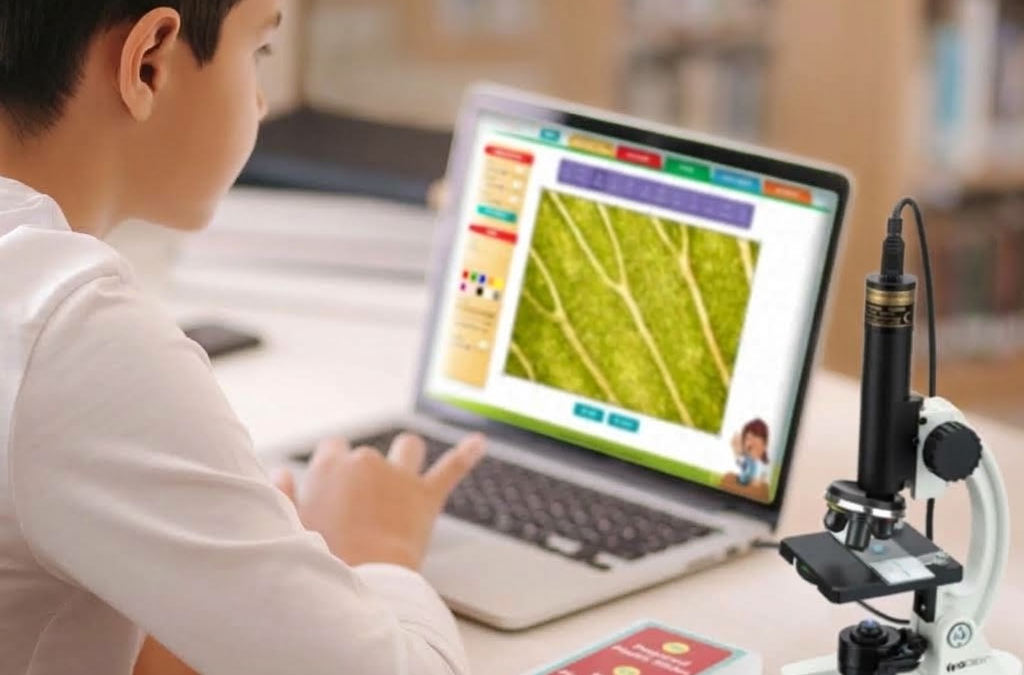
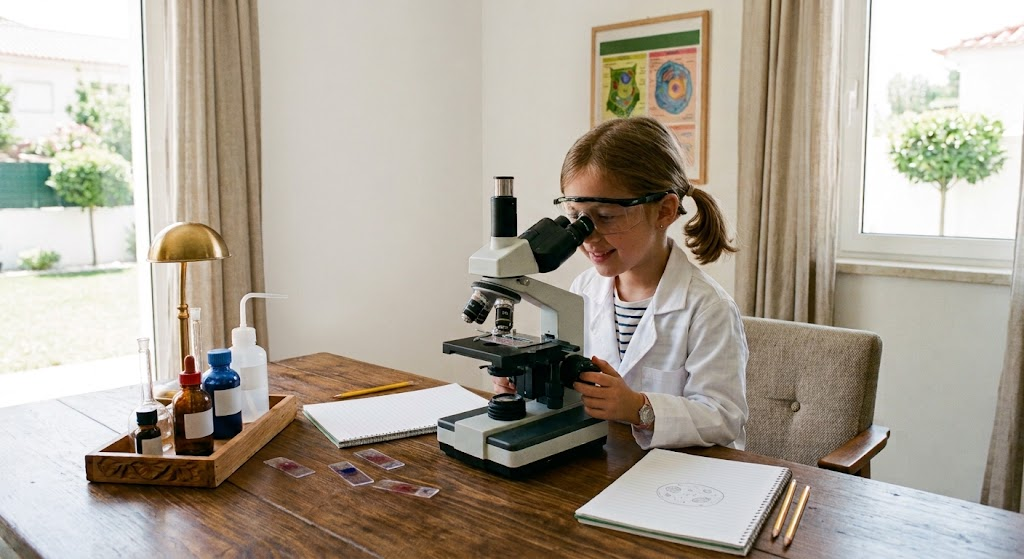
Hands-on experiments are also doable when homeschooling. With Home Science Tools, you’ll get everything you need to create an engaging, interactive learning experience that inspires your children!
As your children grow and become more independent at this age, you can explore other interests and passions that may not be offered in the school system. For example, they may show an affinity for competitive dance or horseback riding, and their schedule doesn’t fit with traditional schooling. If your child is uninterested in school or reaches elementary school age, this is a great time to start homeschooling.
Middle School
Middle school is a significant transition period for children, typically ranging from sixth to eighth grade. This age allows homeschooling parents to meet the evolving needs and interests of their pre-adolescent learners.
Middle school brings a balance of practicing foundational skills while learning more advanced concepts. Kids’ learning styles and interests take form and can present unique challenges, or parents may find they need to be challenged more in school.
The flexibility of educating middle schoolers at home allows them to learn at their own pace. If your child requires more individual attention or needs increased autonomy, homeschooling may be the best option.
High School
Homeschooling in high school can present a unique set of challenges, but it can also be the most rewarding. Children in ninth through twelfth grade can do their coursework on their own or guide themselves through an online curriculum.
It’s a special time when students learn to do things independently and prepare for college, their careers, and adulthood. Staying focused is crucial as they enter the final stretch before graduation. Some homeschooled students have to take standardized tests, while many states relieve the pressure by not requiring test scores.
Students who plan to attend college may still have to take the ACT or SAT. With their future goals in mind, parents can customize their education to specialized interests to ensure they’re prepared.
Final Takeaways
The best age to start homeschooling is unique to each child. Parents must consider what makes the most sense for their child and their educational goals.
Homeschooling gives families the freedom to personalize coursework and activities. Providing an encouraging learning environment at home can lay the foundation for a bright and promising future.