Make summer science learning actually happen by giving your child something they can do, not just read or watch.
Summer science learning often starts with good intentions. You prepare ahead by ordering a kit and making a plan, but then life happens. Between traveling, summer camps, and everything else under the summer sun, those well-intended items end up unopened. What’s missing is structure that actually works in everyday life.
That’s where Science Unlocked comes in. It’s a complete, hands-on science program that includes the materials and the guidance. So, you’re not having to piece things together or figure it out as you go. Students move through real experiments step by step, and you can focus on guiding the experience instead of preparing for it.
Why Hands-On Works
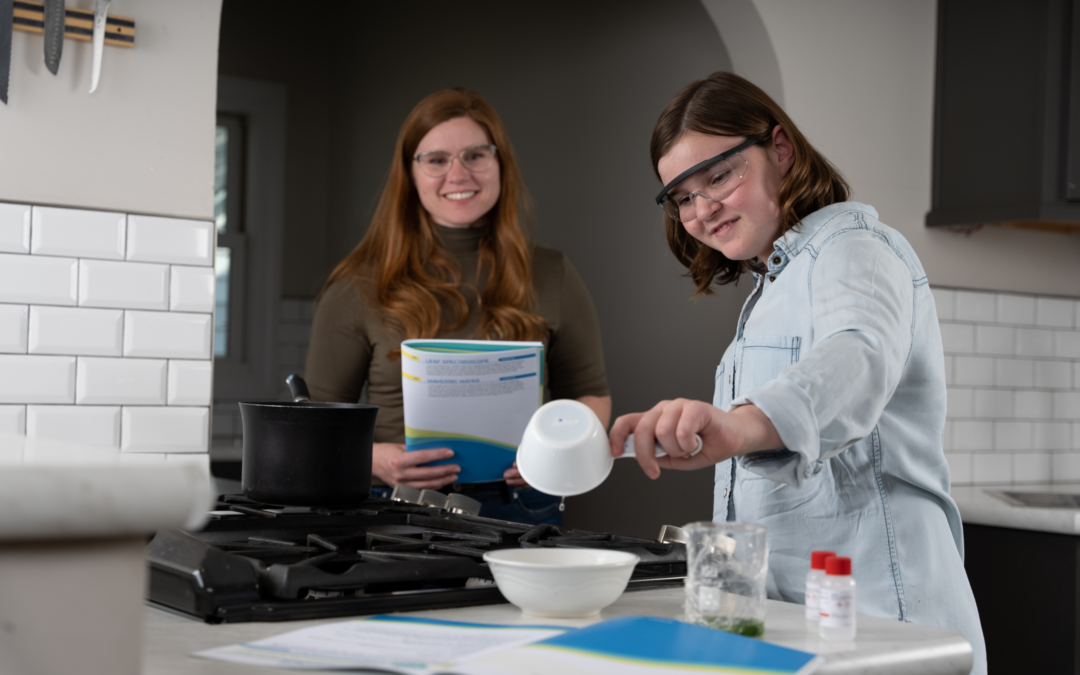
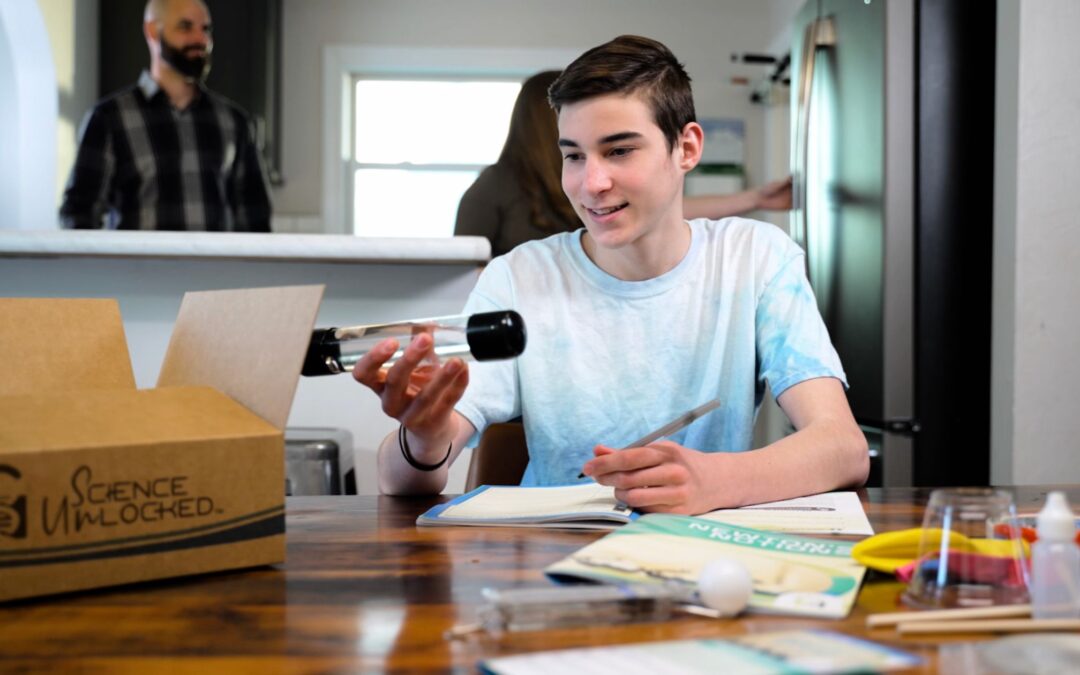
When science is hands-on, students aren’t just reading or watching—they’re doing it. They test ideas, make adjustments, and see results. And because they’re involved in the process, they stay with it longer.
Summer Science Learning Built for Real Life
Each Science Unlocked kit is designed to do more than fill an afternoon. Activities are structured to guide your learner step by step, building understanding as they go. With 8-13+ hours of content per kit, the experience stretches across multiple sessions. That gives you a way to return to it throughout the week without having to plan what comes next.
What This Looks Like Week to Week
You don’t have to finish everything at once. Most families move through a few activities at a time—one or two sessions a week. That pace keeps kids engaged without overwhelming your schedule. It also gives them time to think about what they’re doing. Then, they usually come back with questions and build on what they’ve already learned.
When Students Create Something Real
One of the clearest signs that learning is happening is when students can point to what they’ve built. Perhaps a working trebuchet or a model that demonstrates a concept. Your kids can see what they’ve done, explain how it works, and remember the process it took to get there. This serves as proof that hands-on science is key to building true understanding over time.
Start Simple
The great news is that you don’t need to map out the entire summer to make this work. Simply start with one kit. Let your learner move through it at their own pace. From there, it becomes easier to decide what comes next—because you’ve seen what it looks like when summer science learning actually works.