Children are naturally curious. They want to know why things happen, how objects work, and what happens when they try something different. A simple question can turn into an afternoon of building, testing, and experimenting. These moments also create opportunities to build skills children will use at school and beyond.
STEM Toys bring science, technology, engineering, and math into everyday play. A building set introduces basic engineering, a coding robot presents early programming concepts, and a chemistry kit turns scientific questions into hands-on experiments. Each activity gives children something different to explore while encouraging independent thinking.
At Home Science Tools, we believe curiosity deserves room to grow. Educational toys give children opportunities to investigate their interests, try new activities, and enjoy learning at their own pace.
How Play Supports Critical Thinking
Children practice critical thinking whenever they make decisions, solve puzzles, or investigate why something happened. Toys that encourage experimentation give them plenty of opportunities to build these skills.
Consider a child building a tower with wooden planks. The structure might fall after a few minutes of work. The child can try a different arrangement, adjust the base, or use fewer pieces. Each attempt brings a new observation and another chance to improve the design.
Science experiments follow a similar process. Children make predictions, observe what happens, and compare the results with their original ideas.
These activities motivate children to:
- Ask questions and make predictions before testing an idea.
- Observe patterns and connections between different results.
- Explain their decisions and examine alternative solutions.
These habits gradually influence how children approach challenges. They also make classroom activities more interesting, especially when lessons involve science and mathematics.
Building and Coding Turn Challenges Into Learning Experiences
Construction sets and coding toys introduce challenges that require patience, creativity, and logical thinking. Children get to experiment with different solutions and see the results of their decisions.
Building Sets Introduce Basic Engineering
Building toys let children create structures, test designs, and explore how different arrangements affect stability.
A bridge-building activity, for example, introduces questions about weight, balance, and support. Children might discover that a wider base keeps a structure standing or that moving a few pieces makes it stronger.
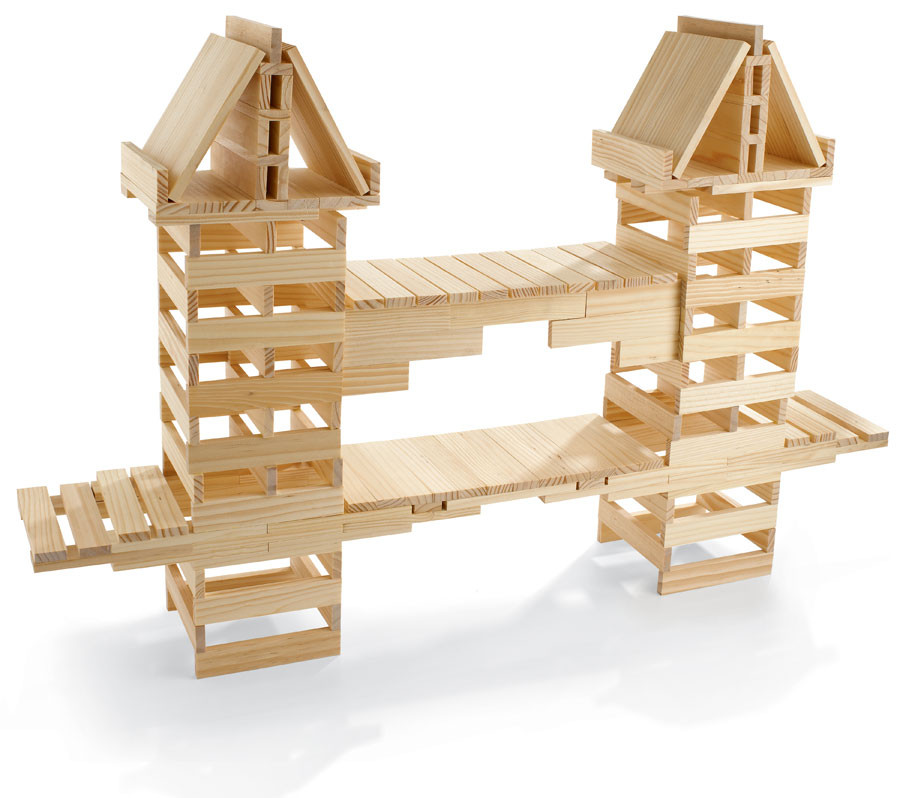
At Home Science Tools, our selection includes the KEVA Structures 200 Plank Set. Its wooden planks encourage open-ended construction, allowing children to create original designs and explore different structures.
Coding Robots Make Logic More Tangible
Coding can seem abstract to young learners. Robots turn programming concepts into something children can see and control.
Children create sequences of commands to guide a robot through different movements. If the instructions produce an unexpected result, they can review the sequence and make changes.
This process builds logical thinking, sequencing, and an understanding of cause and effect. It also shows how small adjustments can change a task’s outcome.
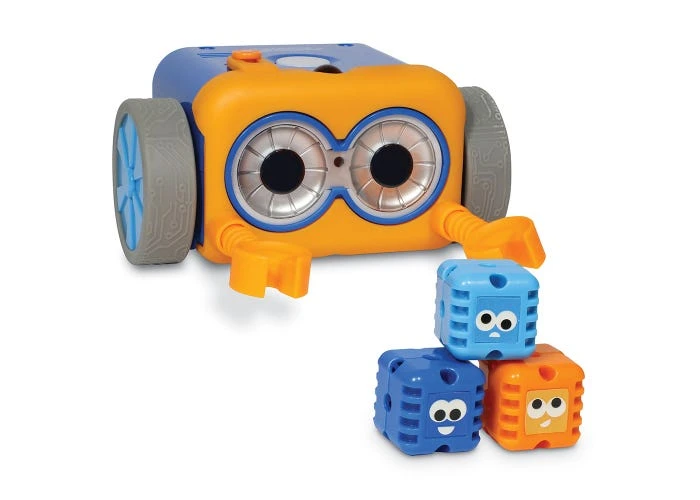
Learning Resources’ Botley 2.0 introduces coding to children as young as five. Its activities offer an accessible introduction to programming through play.
Science Experiments Teach Patience and Curiosity
There is something exciting about watching an experiment unfold. A color change, an unexpected reaction, or a surprising result can provoke new questions.
Chemistry kits give children opportunities to explore these experiences firsthand. They observe how different materials interact and discover changes that can be hard to understand from a textbook.
What Children Learn From Experimenting
A simple science activity can introduce the basic stages of an investigation:
- Ask a question: What happens when two materials are mixed?
- Make a prediction: Consider the possible result.
- Perform the experiment: Follow the instructions and observe what happens.
- Record observations: Write down changes and interesting details.
- Discuss the results: Compare the outcome with the original prediction.
These steps encourage children to pay attention and explain their reasoning. They also become more comfortable investigating unfamiliar subjects.
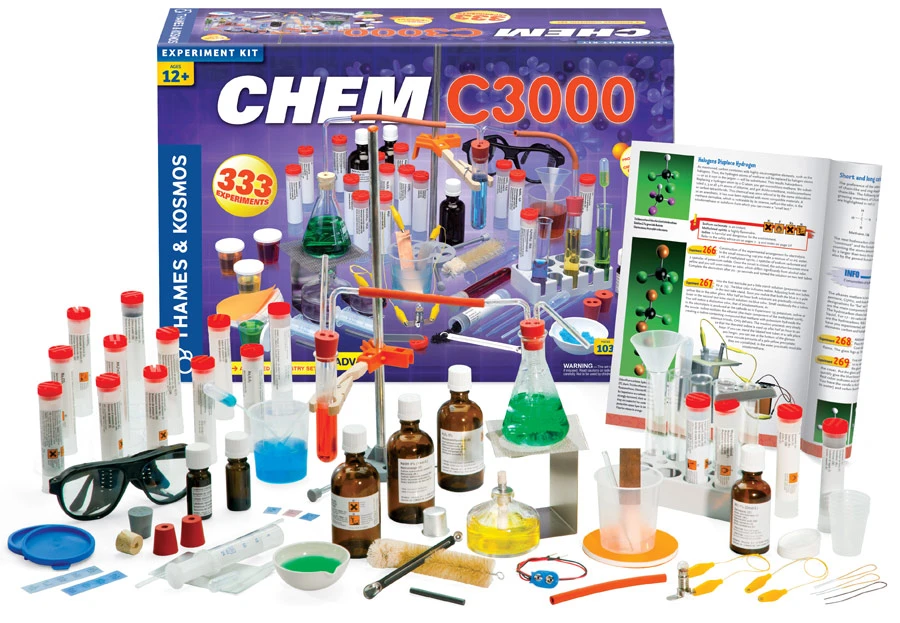
For older learners, the Thames & Kosmos Chem C3000 Kit offers materials for more than 300 experiments. Designed for ages 12 and older, it introduces chemistry concepts through guided activities. Adult supervision and the manufacturer’s safety instructions are essential during experiments.
Finding Activities That Match Each Stage of Childhood
A child’s interests and abilities change with age. Educational toys should offer challenges that suit their experience while presenting new concepts.
Younger children might enjoy magnetic toys, simple building sets, and science games involving colors, shapes, and movement. These activities introduce basic concepts through exploration.
Elementary-age children may be ready for more detailed projects, including:
- Construction sets with different building challenges.
- Beginner coding robots with simple commands.
- Science games covering biology, physics, and chemistry.
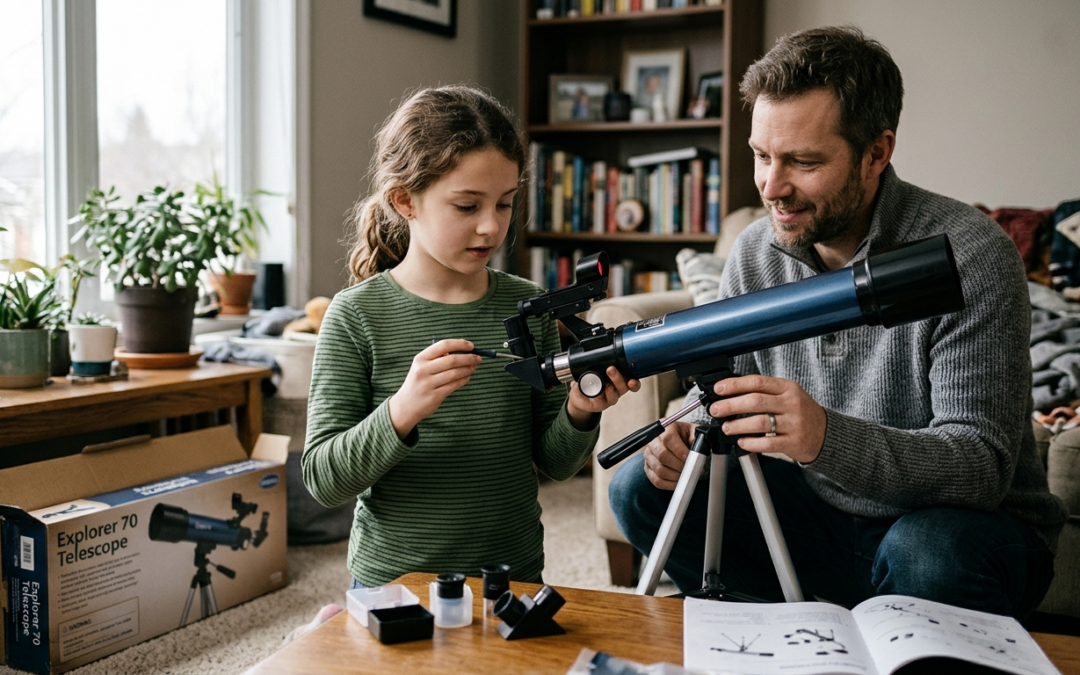
- Telescopes for observing the moon and stars.
Older children can explore electronics, advanced building projects, and chemistry experiments. These activities introduce detailed concepts and encourage independent investigation.
At Home Science Tools, our collection includes educational activities for different ages and interests. Checking recommended age ranges helps parents and educators select toys suited to each child’s experience.
Give Curiosity Room to Grow With Home Science Tools
A building project, coding challenge, or chemistry experiment can turn an ordinary afternoon into an exciting learning experience. These activities inspire children to ask questions, explore solutions, and become more confident in their abilities.
Looking for something that makes learning exciting? At Home Science Tools, we offer educational toys that turn children’s curiosity into hands-on adventures. Our collection includes building sets, coding robots, chemistry kits, telescopes, and science games for different ages and interests.
From a first building project to more advanced science experiments, there’s something to spark every young learner’s imagination. Explore our selection of STEM toys, find an activity that matches a child’s interests, and bring home new opportunities to create, experiment, and discover. Have questions along the way? Our friendly customer service team is always happy to help!