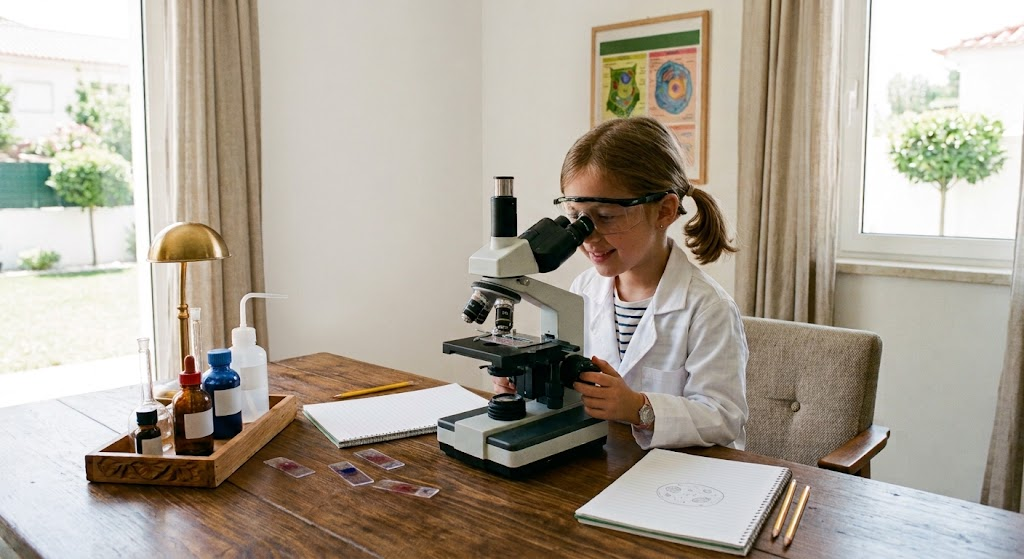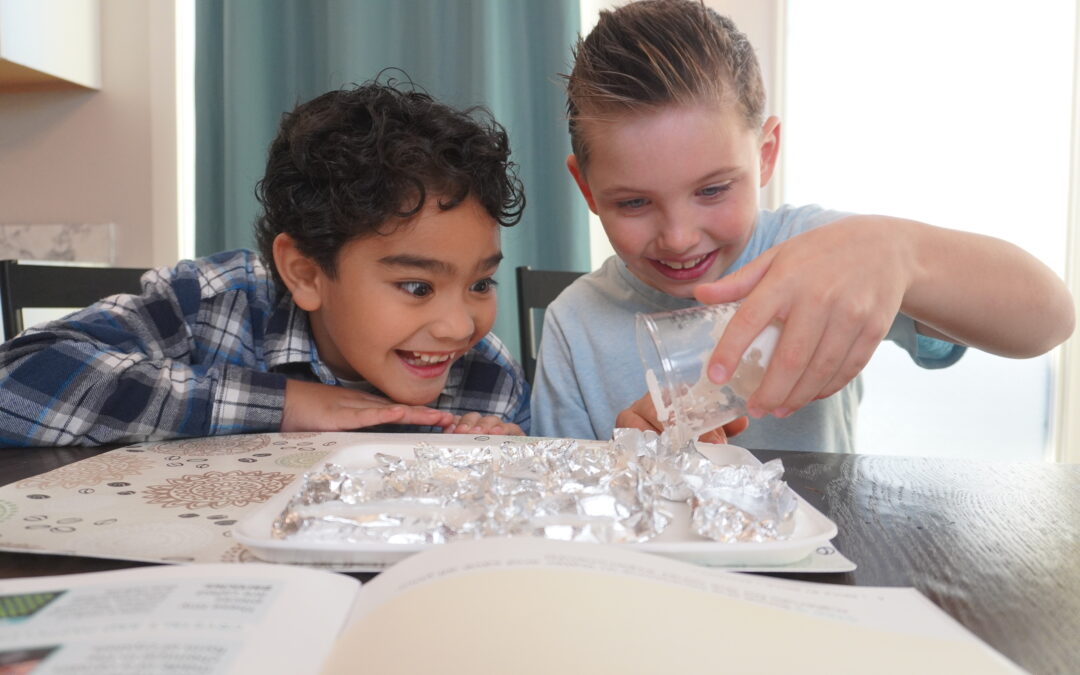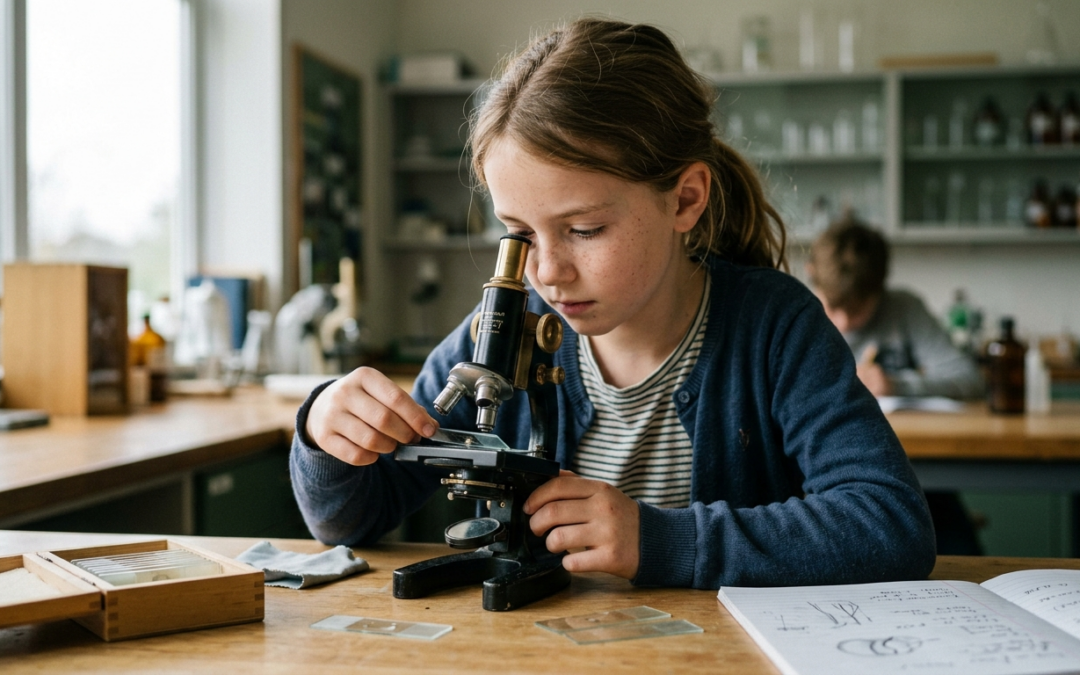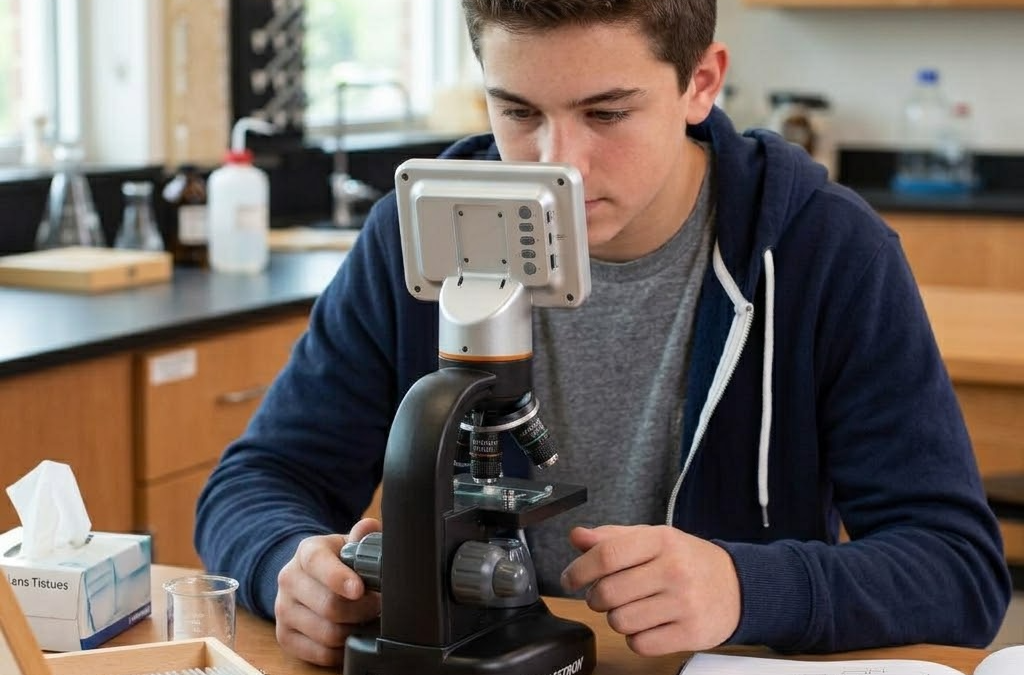
Hands-on science activities help students connect classroom concepts with real-world observations. A crystal growing kit is an engaging way to explore chemistry, scientific observation, and critical thinking through a simple experiment. Watching crystals form over time encourages curiosity and introduces scientific principles in a memorable format.
At Home Science Tools, we value activities that make science approachable and exciting. Crystal growth experiments allow learners to witness chemical processes in action while developing STEM skills that support future learning.
Educational Benefits of Crystal Growing Kits for STEM Learning
STEM education focuses on science, technology, engineering, and mathematics. Practical experiments strengthen these subjects by encouraging active participation and observation.
Crystal-growing activities support several educational goals:
- Encouraging scientific curiosity
- Developing observation and recording skills
- Introducing chemistry concepts
- Building patience and attention to detail
- Promoting hypothesis formation and testing
Students can observe changes over time and document each stage of crystal formation. This process mirrors the methods used by scientists when conducting experiments and collecting data.
The visual nature of crystal growth also helps learners understand abstract concepts. Instead of reading about chemical reactions, they can observe physical results as crystals begin to appear and expand.
Observation and Data Collection Skills
Science education relies heavily on careful observation. Crystal experiments provide opportunities to record changes at regular intervals and compare results.
Learners may track:
- Crystal size
- Crystal shape
- Growth speed
- Color variations
- Environmental conditions
These observations help reinforce the importance of evidence-based conclusions. Detailed notes and measurements also support mathematical skills and scientific communication.
Encouraging Scientific Inquiry
Questions naturally emerge during crystal growth experiments. Why do crystals form? What affects their shape? How quickly can they grow?
Such questions encourage further investigation and discussion. Students learn to make predictions, analyze outcomes, and consider factors that influence results.
The Science Behind Crystal Growing Kits: How They Work
Crystal formation is a fascinating chemical process. Many crystals develop when a dissolved substance leaves a liquid solution and organizes into a repeating structure.
The Crystal Tree Growing Kit offers a unique example of this process. The kit includes a colored paper tree, a stand, and a special chemical solution. After assembly, the paper tree absorbs the solution through capillary action.
As the liquid moves through the paper structure, evaporation occurs. The dissolved chemicals become concentrated and begin to form crystals on the tree’s surface. Visible crystal growth can start in as little as 20 minutes.
This rapid transformation makes the activity especially appealing for younger learners who enjoy seeing immediate results.
Understanding Capillary Action
Capillary action occurs when a liquid moves through narrow spaces without assistance from external forces. This same principle allows plants to transport water from roots to leaves.
In the crystal tree experiment, the paper structure acts as a pathway for the solution. As the liquid travels upward, crystal deposits begin forming along the edges and surfaces.
This provides a simple introduction to concepts that appear in biology, chemistry, and environmental science studies.
Crystal Structure and Formation
Crystals form when particles arrange themselves in an orderly pattern. Different substances produce different crystal shapes because their molecules organize in unique ways.
Scientists study crystal structures in many fields, including:
- Geology
- Materials science
- Engineering
- Medicine
- Electronics
A classroom crystal experiment serves as an accessible starting point for understanding these larger scientific applications.
What Makes a Great Crystal Growing Kit?
Educational value depends on both scientific accuracy and user experience. Several features contribute to a successful crystal-growing activity.
Clear Instructions
Well-written instructions help learners understand each step of the experiment. Guidance should explain setup procedures while encouraging observation and note-taking.
The Crystal Tree Growing Kit includes all necessary instructions, allowing experiments to begin quickly and efficiently.
Visible Results
Rapid visual changes maintain interest and encourage engagement. Crystal growth that becomes visible within minutes helps learners connect actions with outcomes.
The crystal tree design offers a dramatic display as colorful crystals begin appearing across the paper branches.
Complete Materials
A quality kit should contain all essential components. This reduces preparation time and helps educators focus on the learning experience.
Everything needed for the Crystal Tree Growing Kit is included in the package, making setup simple for classrooms, homeschool environments, and science enrichment activities.
Color and Visual Appeal
Colorful experiments capture attention and create excitement around scientific exploration. The crystal trees are available in assorted colors that are randomly selected for each order.
When multiple kits are ordered, we ship different colors whenever possible. This adds variety to group activities and classroom demonstrations.
Tips and Tricks for Successful Crystal Growth with Your Kit
A few simple practices can help produce the best results during crystal-growing experiments.
Prepare the Workspace
Select a flat, stable surface where the experiment can remain undisturbed. Movement during crystal formation may affect growth patterns.
Protect the area with paper or a tray if desired.
Follow Instructions Carefully
Scientific experiments produce the best outcomes when procedures are followed accurately. Measuring, setup, and timing all contribute to successful crystal development.
Reading instructions before beginning helps ensure a smooth process.
Observe Regularly
Checking the experiment at different intervals creates valuable learning opportunities. Recording observations every few minutes or every hour can reveal interesting growth patterns.
Students may sketch changes or create a simple observation journal.
Avoid Disturbing the Experiment
Once the solution has been added, allowing the crystal tree to remain undisturbed supports consistent growth. Excessive handling can interfere with crystal formation.
Encourage Discussion
Crystal experiments generate natural opportunities for scientific conversation.
Discussion topics may include:
- Why crystals form
- Factors affecting growth
- Similar crystal structures found in nature
- Applications of crystal science in modern industries
These conversations help extend learning beyond the experiment itself.
Bringing Science to Life Through Crystal Growth
Science becomes more engaging when learners can observe real changes taking place before their eyes. Crystal-growing activities introduce chemistry concepts, observation techniques, and scientific thinking in an approachable format.
The Crystal Tree Growing Kit demonstrates how simple materials can create memorable educational experiences. Fast-growing crystals, colorful displays, and easy setup make the activity suitable for a variety of learning environments.
At Home Science Tools, we are passionate about helping students discover the excitement of science through hands-on exploration. Our educational resources and science kits are designed to inspire curiosity and encourage meaningful STEM learning. Explore our collection today and discover new ways to bring science into every learning experience.