Explore the Lone Star State with 5 science activities, sure to deliver unforgettable family fun — these Texas science activities for kids make learning an adventure
When Texas heats up in summer, so do the opportunities for outdoor learning. Therefore, its wide-open landscapes and diverse ecosystems make Texas a living science lab, perfect for homeschool families looking to turn curiosity into discovery.
Whether your child dreams of becoming a marine biologist or an astronaut, real-world experiences make science come alive. Overall, these 5 Texas science activities for kids combine exploration with education and pair perfectly with a themed backpack kit for added STEM fun.
Texas Science Activities for Kids — Unforgettable Family Fun
1. Coastal Science at Padre Island National Seashore
Best for: Marine biology & ecosystems
Location: Corpus Christi, TX
Kit to Bring: Aquatic Biologist’s Backpack Kit
For example, Padre Island is a haven for exploring ocean life and conservation. Moreover, with 60 miles of undeveloped coastline, kids can beachcomb for marine specimens, test water quality, and even witness sea turtle hatchings in season.
Explore Concepts Like:
- Marine biodiversity
- Ocean chemistry
- Sea turtle conservation
Try This: Begin by collecting shells and seaweed. Then, sketch your finds. Finally, test ocean water with your science kit!
2. Stargazing at McDonald Observatory
Best for: Astronomy & space science
Location: Fort Davis, TX
Kit to Bring: Astronomer’s Backpack Kit
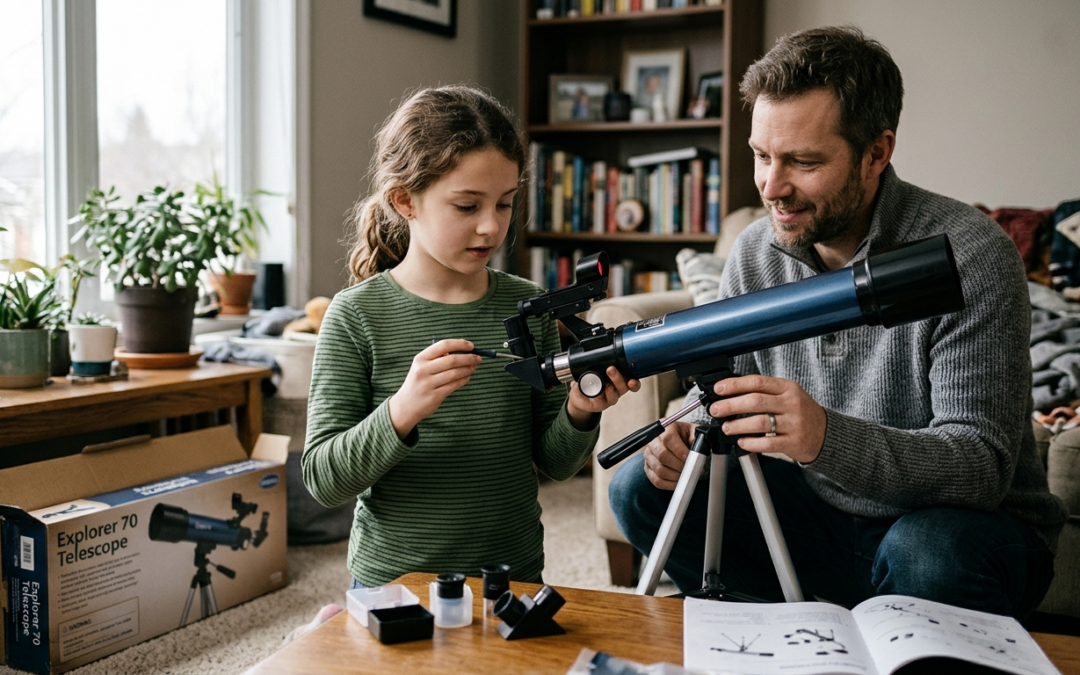
Nestled in the Davis Mountains is the McDonald Observatory. Indeed, this is one of the top dark-sky locations in the U.S. In fact, it offers a truly unique experience for families and young explorers! Specifically, you can visit this observatory to attend star parties and peer through high-powered telescopes. In addition, your kids can map constellations alongside real astronomers for an unforgettable night of discovery.
Explore Concepts Like:
- Star formation & classification
- Light pollution
- Planetary movement
Try This: Use your constellation guide, for example, to stargaze at night. Then, capture simple astrophotography with a tripod and phone.
3. Fossil Fun at Dinosaur Valley State Park
Best for: Paleontology & geology
Location: Glen Rose, TX
Kit to Bring: Paleontologist’s Backpack Kit
Step into prehistoric Texas at Dinosaur Valley! Specifically, this is where dinosaur footprints remain preserved in ancient riverbeds. In addition, kids can learn how fossils form and even make plaster casts of their discoveries.
Explore Concepts Like:
- Fossilization
- Geological time
- Earth layers
Try This: First, identify sediment layers! Then, you can collect small rocks and use your fossil guide to name what you find.
4. Underground Geology at Natural Bridge Caverns
Best for: Earth science & cave ecosystems
Location: San Antonio, TX
Kit to Bring: Geologist’s Backpack Kit
Go below the surface to explore Texas’s underground wonders. For example, at Natural Bridge Caverns or Inner Space Cavern, families can witness limestone formations and underground rivers. In addition, they can check out unique cave-dwelling species!
Explore Concepts Like:
- Erosion and mineral deposits
- Cave biology
- Groundwater chemistry
Try This: Use your pH strips to test cave water. On the other hand, you can utilize your hand lens to inspect mineral patterns.
5. Urban Ecology in Houston or Dallas
Best for: Environmental science
Locations: Discovery Green (Houston) or Trinity River Audubon Center (Dallas)
Kit to Bring: Wildlife Biologist’s Backpack Kit
Not every adventure requires leaving the city. In fact, urban nature centers offer rich habitats to study water conservation, native plants, and urban wildlife. Moreover, they’re a fantastic way for kids to experience Texas science activities right in their backyard.
Explore Concepts Like:
- Wildlife adaptation
- Water pollution testing
- Native vs. invasive species
Try This: Log bird sightings in your field journal! Additionally, you can collect water samples for testing.
Explore Nature and Discovery with Texas Science Activities for Kids
Let Texas be your science classroom.
From tidepools to telescopes, Texas offers endless ways to bring science to life. These adventures give your homeschooler a deeper appreciation of the natural world while building scientific thinking through real-world exploration.
Moreover, Texas science activities for kids don’t just teach facts—they spark wonder. So, ensure your child has a backpack kit in hand and a sense of adventure so that your family’s summer can become a season of discovery!